
Before Memmo my notes were scattered across PDFs. Now a workspace pulls everything into one place — I see exactly what's still left to study.
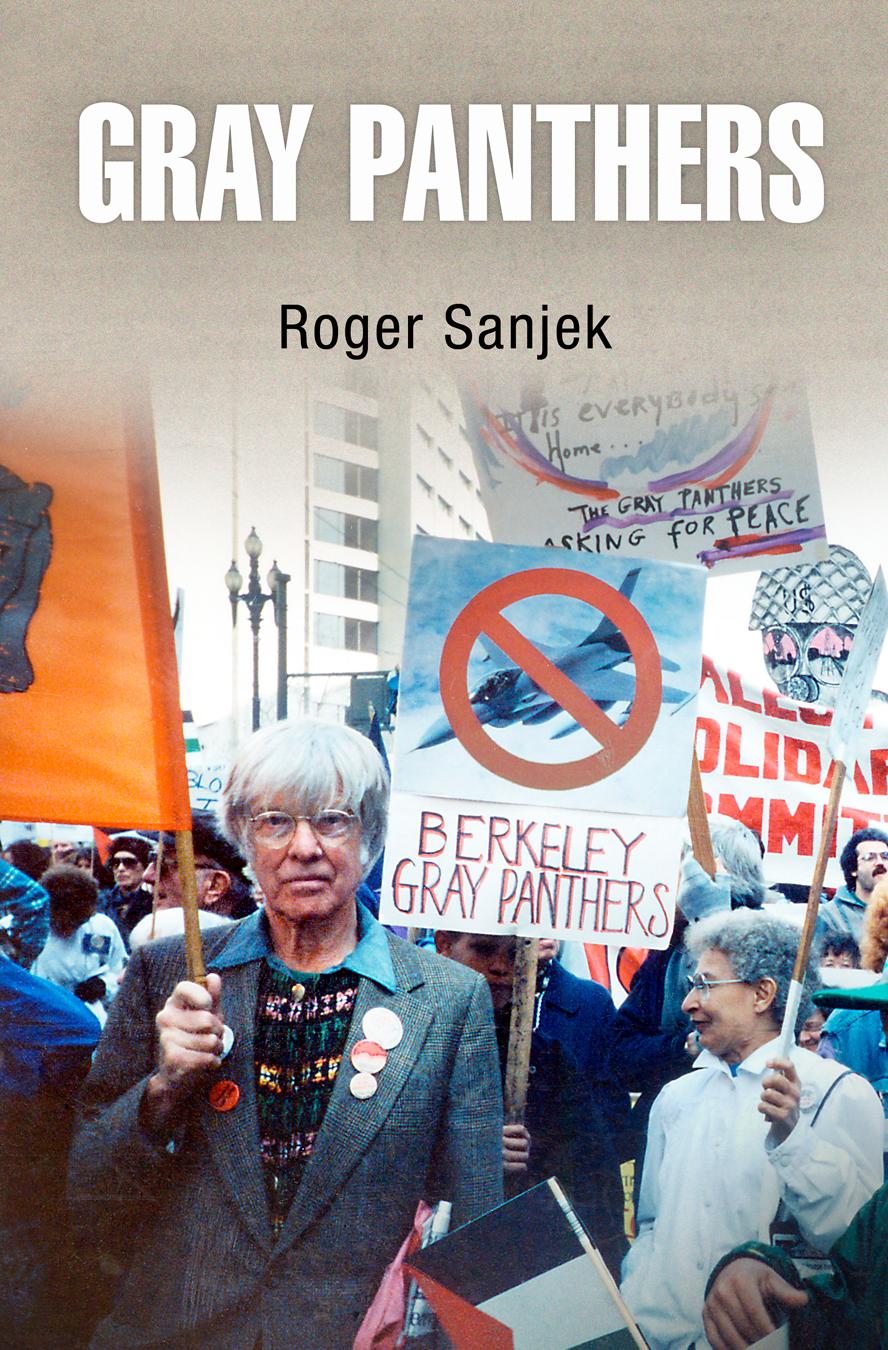
In 1970, a sixty-five-year-old Philadelphian named Maggie Kuhn began vocally opposing the notion of mandatory retirement. Taking inspiration from the civil rights and anti-Vietnam War movements, Kuhn and her cohorts created an activist organization that quickly gained momentum as the Gray Panthers. After receiving national publicity for her efforts—she even appeared on the Tonight Show with Johnny Carson—she gained thousands of supporters, young and old. Their cause expanded to include universal health care, nursing home reform, affordable and accessible housing, defense of Social Security, and elimination of nuclear weapons.
Gray Panthers traces the roots of Maggie Kuhn's social justice agenda to her years as a YWCA and Presbyterian Church staff member. It tells the nearly forty-year story of the intergenerational grassroots movement that Kuhn founded and its scores of local groups. During the 1980s, more than one hundred chapters were tackling local and national issues. By the 1990s the ranks of older members were thinning and most young members had departed, many to pursue careers in public service. But despite its challenges, including Kuhn's death in 1995, the movement continues today.
Roger Sanjek examines Gray Panther activism over four decades. Here the inner workings and dynamics of the movement emerge: the development of network leadership, local projects and tactics, conflict with the national office, and the intergenerational political ties that made the group unique among contemporary activist groups. Part ethnography, part history, part memoir, Gray Panthers draws on archives and interviews as well as the author's thirty years of personal involvement. With the impending retirement of the baby boomers, Sanjek's book will surely inform the debates and discussions to follow: on retirement, health care, and many other aspects of aging in a society that has long valued youth above all.
Before Memmo my notes were scattered across PDFs. Now a workspace pulls everything into one place — I see exactly what's still left to study.
Memmo's summaries are gold before exams. I don't have to re-read 800 pages two weeks before — just the important parts.
The AI chat has saved me the night before an exam more than once. I just keep asking until I get it — no waiting on a study group to reply.
The quizzes hit exactly what I need to know. Memmo tracks what I get stuck on — so I only practice what's worth it.
Flashcards with spaced repetition are magic. Memmo knows when I'm about to forget something and brings it back.
The AI podcasts are my favorite. I listen on my way to school and get a recap without sitting at a computer.

Handbok i kvalitativa metoder
281 kr

Hållbar utveckling: en introduktion för ingenjörer och andra problemlösare
334 kr

Brymans Samhällsvetenskapliga metoder
390 kr

Projektledning
491 kr

Den orättvisa hälsan: om socioekonomiska skillnader i hälsa och livslängd
326 kr

Organizational Leadership
429 kr

Vetenskapsteori för nybörjare
196 kr

På väg mot läraryrket
172 kr

Det sociala livet i skolan: Socialpsykologiska perspektiv
253 kr

Betygsättningens didaktik
151 kr

Personality
402 kr

Studying Leadership
404 kr

Managing Innovation
477 kr

Introduktion till samhällsvetenskaplig metod
347 kr

The Psychology of Sex and Gender
698 kr

Evidens och kunskap för socialt arbete
207 kr

Introduction to Leadership
605 kr