
Before Memmo my notes were scattered across PDFs. Now a workspace pulls everything into one place — I see exactly what's still left to study.
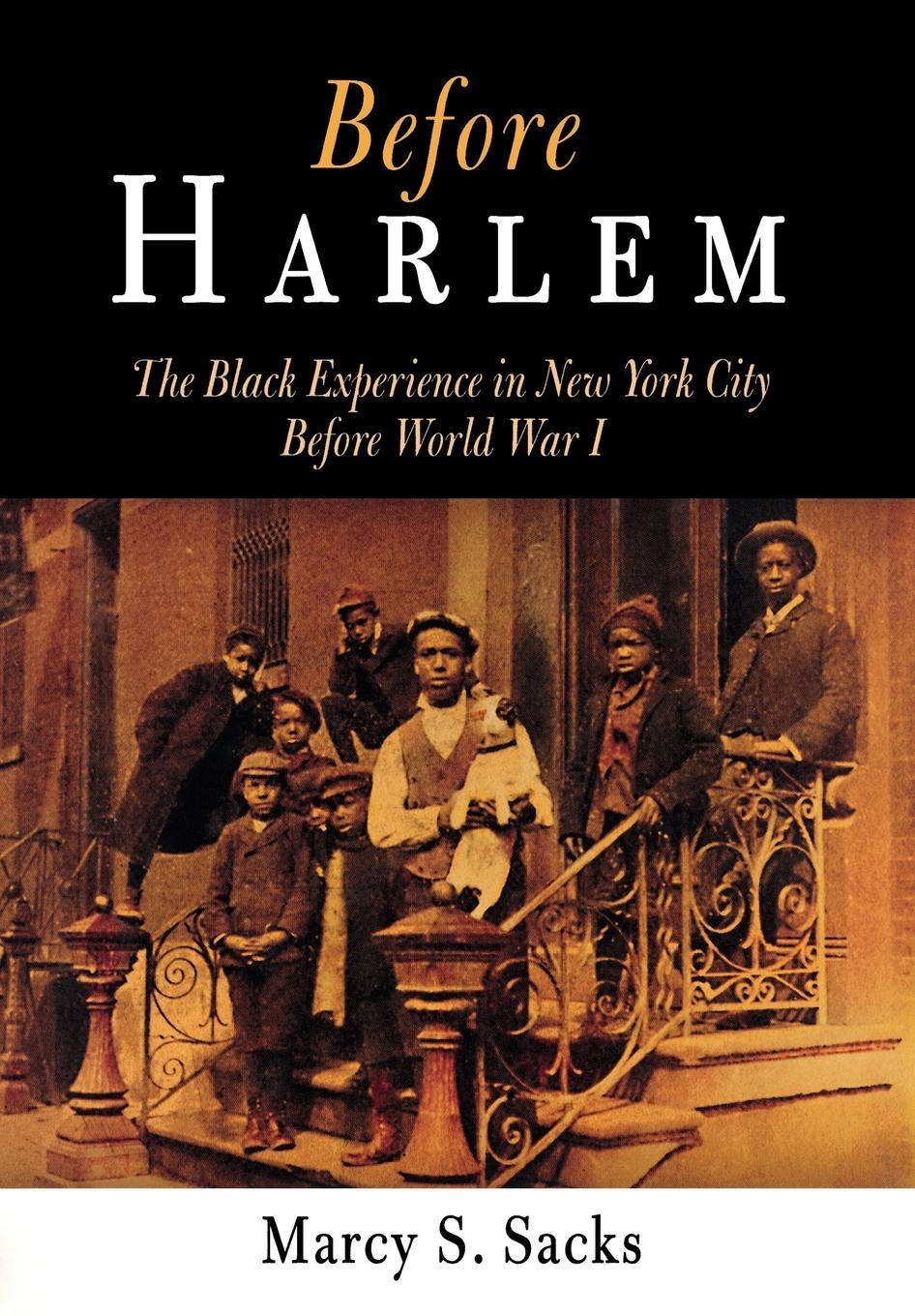
In the years between 1880 and 1915, New York City and its environs underwent a tremendous demographic transformation with the arrival of millions of European immigrants, native whites from the rural countryside, and people of African descent from both the American South and the Caribbean. While all groups faced challenges in their adjustment to the city, hardening racial prejudices set the black experience apart from that of other newcomers. Through encounters with each other, blacks and whites, both together and in opposition, forged the contours of race relations that would affect the city for decades to come.
Before Harlem reveals how black migrants and immigrants to New York entered a world far less welcoming than the one they had expected to find. White police officers, urban reformers, and neighbors faced off in a hostile environment that threatened black families in multiple ways. Unlike European immigrants, who typically struggled with low-paying jobs but who often saw their children move up the economic ladder, black people had limited employment opportunities that left them with almost no prospects of upward mobility. Their poverty and the vagaries of a restrictive job market forced unprecedented numbers of black women into the labor force, fundamentally affecting child-rearing practices and marital relationships.
Despite hostile conditions, black people nevertheless claimed New York City as their own. Within their neighborhoods and their churches, their night clubs and their fraternal organizations, they forged discrete ethnic, regional, and religious communities. Diverse in their backgrounds, languages, and customs, black New Yorkers cultivated connections to others similar to themselves, forming organizations, support networks, and bonds of friendship with former strangers. In doing so, Marcy S. Sacks argues, they established a dynamic world that eventually sparked the Harlem Renaissance. By the 1920s, Harlem had become both a tragedy and a triumph—undeniably a ghetto replete with problems of poverty, overcrowding, and crime, but also a refuge and a haven, a physical place whose very name became legendary.
Before Memmo my notes were scattered across PDFs. Now a workspace pulls everything into one place — I see exactly what's still left to study.
Memmo's summaries are gold before exams. I don't have to re-read 800 pages two weeks before — just the important parts.
The AI chat has saved me the night before an exam more than once. I just keep asking until I get it — no waiting on a study group to reply.
The quizzes hit exactly what I need to know. Memmo tracks what I get stuck on — so I only practice what's worth it.
Flashcards with spaced repetition are magic. Memmo knows when I'm about to forget something and brings it back.
The AI podcasts are my favorite. I listen on my way to school and get a recap without sitting at a computer.

Handbok i kvalitativa metoder
281 kr

Hållbar utveckling: en introduktion för ingenjörer och andra problemlösare
334 kr

Brymans Samhällsvetenskapliga metoder
390 kr

Projektledning
491 kr

Den orättvisa hälsan: om socioekonomiska skillnader i hälsa och livslängd
326 kr

Vetenskapsteori för nybörjare
196 kr

Organizational Leadership
429 kr

På väg mot läraryrket
172 kr

Det sociala livet i skolan: Socialpsykologiska perspektiv
253 kr

Betygsättningens didaktik
151 kr

Personality
402 kr

Studying Leadership
404 kr

Managing Innovation
477 kr

Introduktion till samhällsvetenskaplig metod
347 kr

The Psychology of Sex and Gender
698 kr

Evidens och kunskap för socialt arbete
207 kr

Introduction to Leadership
605 kr