
Before Memmo my notes were scattered across PDFs. Now a workspace pulls everything into one place — I see exactly what's still left to study.
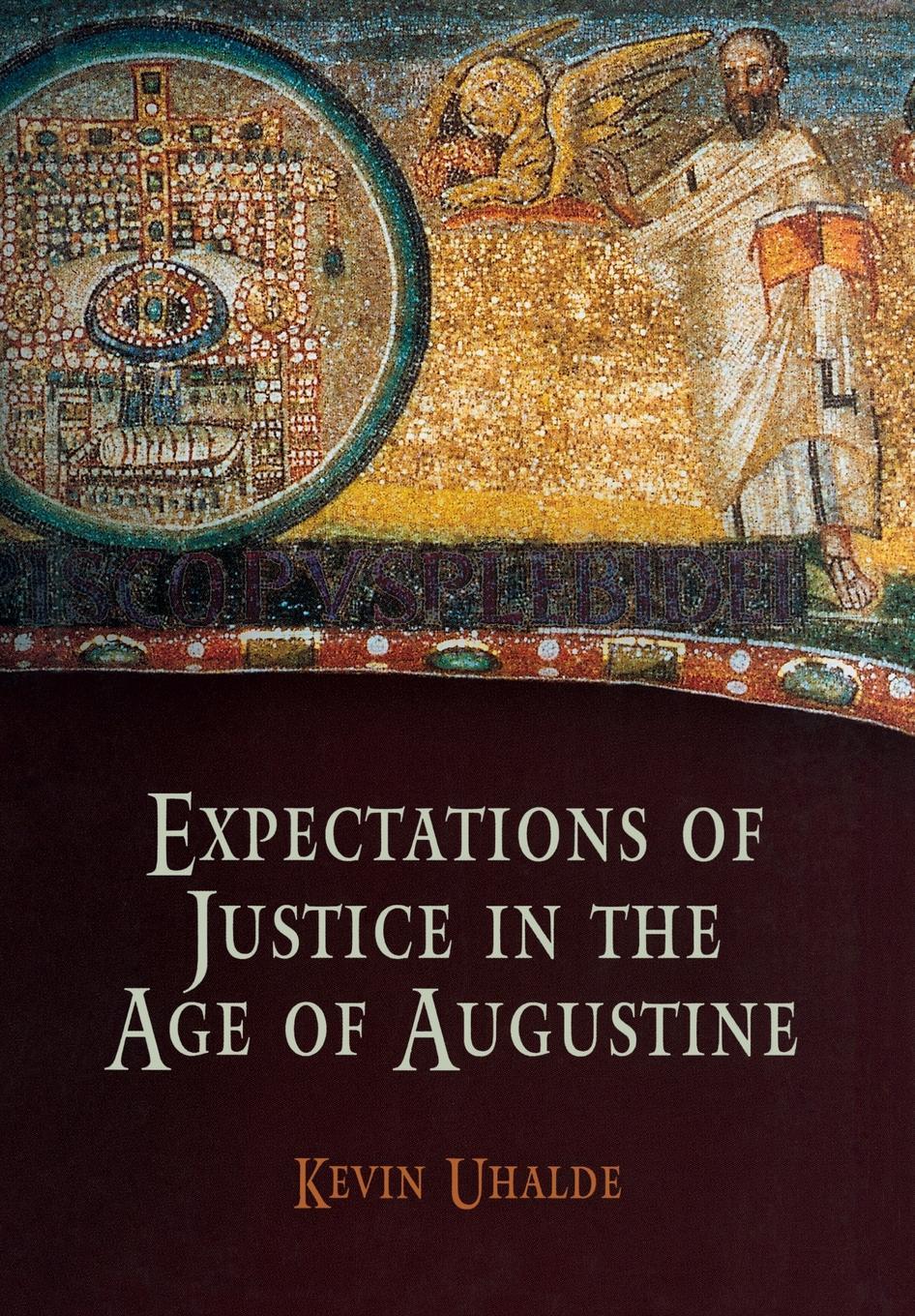
Augustine, bishop of Hippo between 395 and 430, and his fellow bishops lived and worked through massive shifts in politics, society, and religion. Christian bishops were frequently asked to serve as intellectuals, legislators, judges, and pastors—roles and responsibilities that often conflicted with one another and made it difficult for bishops to be effective leaders. Expectations of Justice in the Age of Augustine examines these roles and the ways bishops struggled to fulfill (or failed to fulfill) them, as well as the philosophical conclusions they drew from their experience in everyday affairs, such as oath-swearing, and in the administration of penance.
Augustine and his near contemporaries were no more or less successful at handling the administration of justice than other late antique or early medieval officials. When bishops served in judicial capacities, they experienced firsthand the complex inner workings of legal procedures and social conflicts, as well as the fallibility of human communities. Bishops represented divine justice while simultaneously engaging in and even presiding over the sorts of activities that animated society—business deals, litigations, gossip, and violence—but also made justice hard to come by.
Kevin Uhalde argues that serving as judges, even informally, compelled bishops to question whether anyone could be guaranteed justice on earth, even from the leaders of the Christian church. As a result, their ideals of divine justice fundamentally changed in order to accommodate the unpleasant reality of worldly justice and its failings. This philosophical shift resonated in Christian thought and life for centuries afterward and directly affected religious life, from the performance of penance to the way people conceived of the Final Judgment.
Before Memmo my notes were scattered across PDFs. Now a workspace pulls everything into one place — I see exactly what's still left to study.
Memmo's summaries are gold before exams. I don't have to re-read 800 pages two weeks before — just the important parts.
The AI chat has saved me the night before an exam more than once. I just keep asking until I get it — no waiting on a study group to reply.
The quizzes hit exactly what I need to know. Memmo tracks what I get stuck on — so I only practice what's worth it.
Flashcards with spaced repetition are magic. Memmo knows when I'm about to forget something and brings it back.
The AI podcasts are my favorite. I listen on my way to school and get a recap without sitting at a computer.

Handbok i kvalitativa metoder
281 kr

Hållbar utveckling: en introduktion för ingenjörer och andra problemlösare
334 kr

Brymans Samhällsvetenskapliga metoder
390 kr

Projektledning
491 kr

Den orättvisa hälsan: om socioekonomiska skillnader i hälsa och livslängd
326 kr

Vetenskapsteori för nybörjare
196 kr

Organizational Leadership
429 kr

På väg mot läraryrket
172 kr

Det sociala livet i skolan: Socialpsykologiska perspektiv
253 kr

Betygsättningens didaktik
151 kr

Personality
402 kr

Studying Leadership
404 kr

Managing Innovation
477 kr

Introduktion till samhällsvetenskaplig metod
347 kr

The Psychology of Sex and Gender
698 kr

Evidens och kunskap för socialt arbete
207 kr

Introduction to Leadership
605 kr