
Before Memmo my notes were scattered across PDFs. Now a workspace pulls everything into one place — I see exactly what's still left to study.
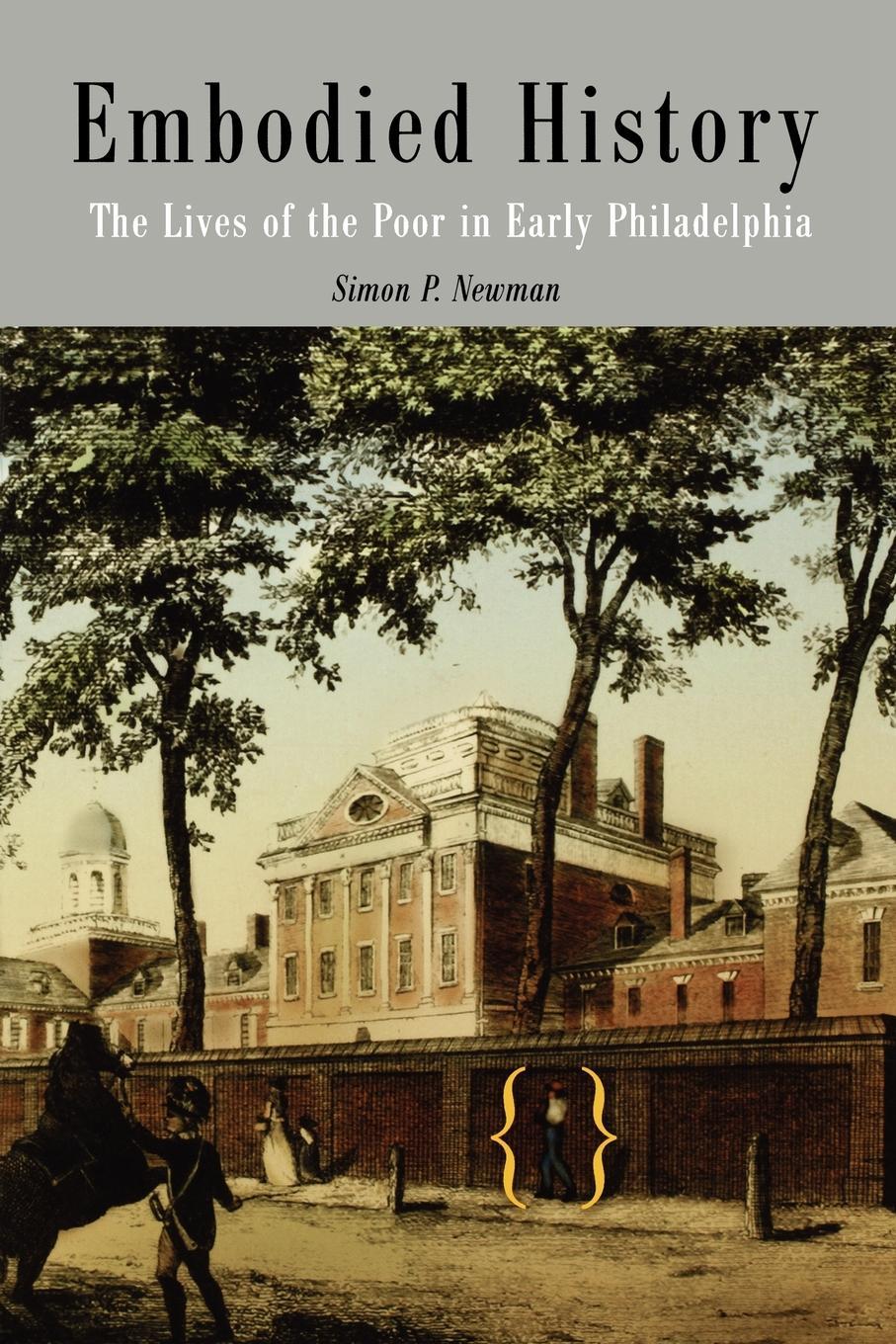
Offering a new view into the lives and experiences of plebeian men and women, and a provocative exploration of the history of the body itself, Embodied History approaches the bodies of the poor in early national Philadelphia as texts to be read and interpreted. Through a close examination of accounts of the bodies that appeared in runaway advertisements and in seafaring, almshouse, prison, hospital, and burial records, Simon P. Newman uses physical details to paint an entirely different portrait of the material circumstances of the poor, examining the ways they became categorized in the emerging social hierarchy, and how they sought to resist such categorization.
The Philadelphians examined in Embodied History were members of the lower sort, a social category that emerged in the early modern period from the belief in a society composed of natural orders and ranks. The population of the urban poor grew rapidly after the American Revolution, and middling and elite citizens were frightened by these poor bodies, from the tattooed professional sailor, to the African American runaway with a highly personalized hairstyle and distinctive mannerisms and gestures, to the vigorous and lively Irish prostitute who refused to be cowed by the condemnation of others, to the hardworking laboring family whose weakened and diseased children played and sang in the alleys. In a new republic premised on liberty and equality, the rapidly increasing ranks of unruly bodies threatened to overwhelm traditional notions of deference, hierarchy, and order.
Affluent Philadelphians responded by employing runaway advertisements, the almshouse, the prison, and to a lesser degree the hospital to incarcerate, control, and correct poor bodies and transform them into well-dressed, hardworking, deferential members of society. Embodied History is a compelling and accessible exploration of how poverty was etched and how power and discipline were enacted upon the bodies of the poor, as well as how the poor attempted to transcend such discipline through assertions of bodily agency and liberty.
Before Memmo my notes were scattered across PDFs. Now a workspace pulls everything into one place — I see exactly what's still left to study.
Memmo's summaries are gold before exams. I don't have to re-read 800 pages two weeks before — just the important parts.
The AI chat has saved me the night before an exam more than once. I just keep asking until I get it — no waiting on a study group to reply.
The quizzes hit exactly what I need to know. Memmo tracks what I get stuck on — so I only practice what's worth it.
Flashcards with spaced repetition are magic. Memmo knows when I'm about to forget something and brings it back.
The AI podcasts are my favorite. I listen on my way to school and get a recap without sitting at a computer.

Handbok i kvalitativa metoder
281 kr

Hållbar utveckling: en introduktion för ingenjörer och andra problemlösare
334 kr

Brymans Samhällsvetenskapliga metoder
390 kr

Projektledning
491 kr

Den orättvisa hälsan: om socioekonomiska skillnader i hälsa och livslängd
326 kr

Vetenskapsteori för nybörjare
196 kr

Organizational Leadership
429 kr

På väg mot läraryrket
172 kr

Det sociala livet i skolan: Socialpsykologiska perspektiv
253 kr

Betygsättningens didaktik
151 kr

Personality
402 kr

Studying Leadership
404 kr

Managing Innovation
477 kr

Introduktion till samhällsvetenskaplig metod
347 kr

The Psychology of Sex and Gender
698 kr

Evidens och kunskap för socialt arbete
207 kr

Introduction to Leadership
605 kr