
Before Memmo my notes were scattered across PDFs. Now a workspace pulls everything into one place — I see exactly what's still left to study.
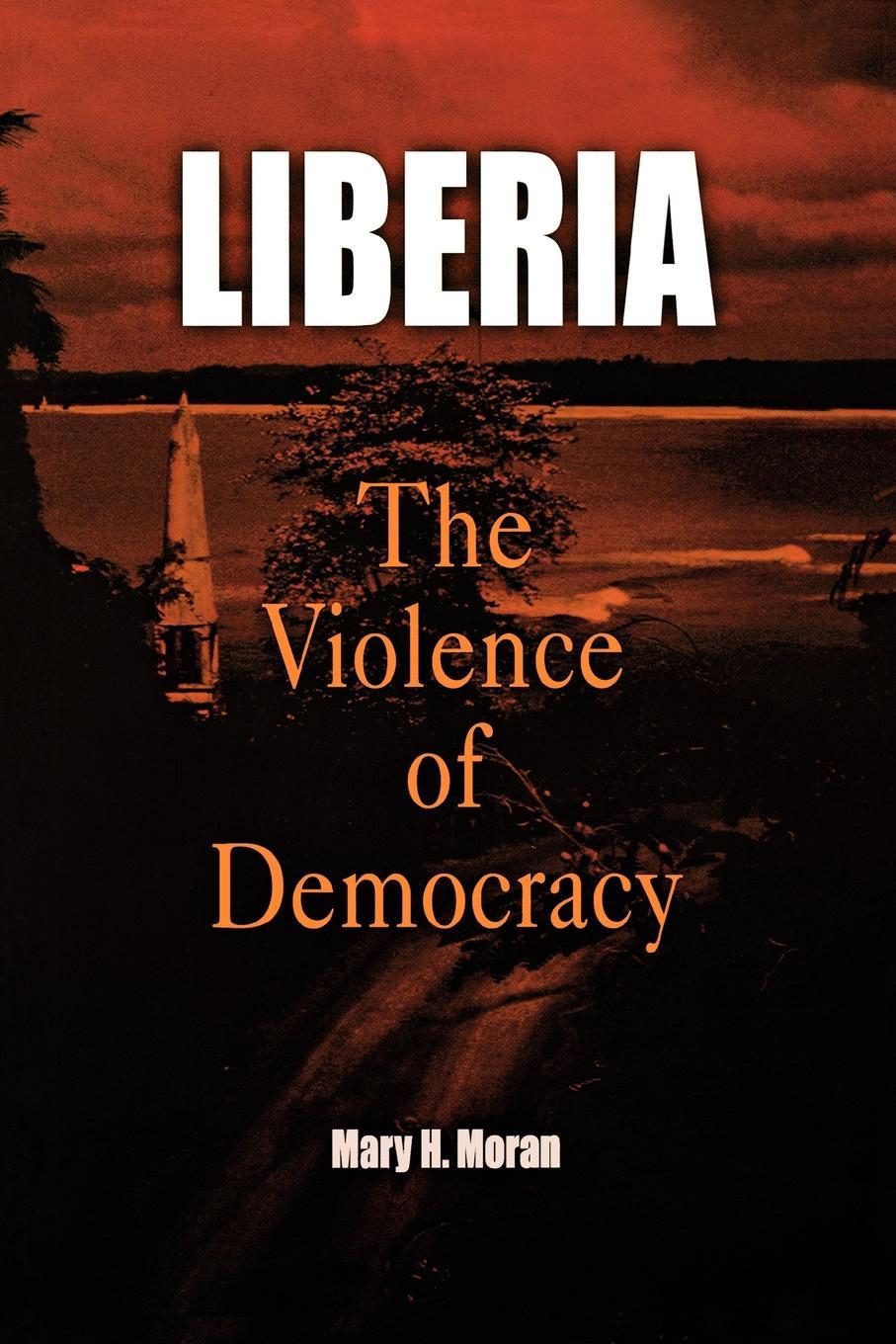
Liberia, a small West African country that has been wracked by violence and civil war since 1989, seems a paradoxical place in which to examine questions of democracy and popular participation. Yet Liberia is also the oldest republic in Africa, having become independent in 1847 after colonization by an American philanthropic organization as a refuge for "Free People of Color" from the United States. Many analysts have attributed the violent upheaval and state collapse Liberia experienced in the 1980s and 1990s to a lack of democratic institutions and long-standing patterns of autocracy, secrecy, and lack of transparency. Liberia: The Violence of Democracy is a response, from an anthropological perspective, to the literature on neopatrimonialism in Africa.
Mary H. Moran argues that democracy is not a foreign import into Africa but that essential aspects of what we in the West consider democratic values are part of the indigenous African traditions of legitimacy and political process. In the case of Liberia, these democratic traditions include institutionalized checks and balances operating at the local level that allow for the voices of structural subordinates (women and younger men) to be heard and be effective in making claims. Moran maintains that the violence and state collapse that have beset Liberia and the surrounding region in the past two decades cannot be attributed to ancient tribal hatreds or neopatrimonial leaders who are simply a modern version of traditional chiefs. Rather, democracy and violence are intersecting themes in Liberian history that have manifested themselves in numerous contexts over the years.
Moran challenges many assumptions about Africa as a continent and speaks in an impassioned voice about the meanings of democracy and violence within Liberia.
Before Memmo my notes were scattered across PDFs. Now a workspace pulls everything into one place — I see exactly what's still left to study.
Memmo's summaries are gold before exams. I don't have to re-read 800 pages two weeks before — just the important parts.
The AI chat has saved me the night before an exam more than once. I just keep asking until I get it — no waiting on a study group to reply.
The quizzes hit exactly what I need to know. Memmo tracks what I get stuck on — so I only practice what's worth it.
Flashcards with spaced repetition are magic. Memmo knows when I'm about to forget something and brings it back.
The AI podcasts are my favorite. I listen on my way to school and get a recap without sitting at a computer.

Handbok i kvalitativa metoder
281 kr

Hållbar utveckling: en introduktion för ingenjörer och andra problemlösare
334 kr

Brymans Samhällsvetenskapliga metoder
390 kr

Projektledning
491 kr

Den orättvisa hälsan: om socioekonomiska skillnader i hälsa och livslängd
326 kr

Organizational Leadership
429 kr

Vetenskapsteori för nybörjare
196 kr

På väg mot läraryrket
172 kr

Det sociala livet i skolan: Socialpsykologiska perspektiv
253 kr

Betygsättningens didaktik
151 kr

Personality
402 kr

Studying Leadership
404 kr

Managing Innovation
477 kr

Introduktion till samhällsvetenskaplig metod
347 kr

The Psychology of Sex and Gender
698 kr

Evidens och kunskap för socialt arbete
207 kr

Introduction to Leadership
605 kr