
Before Memmo my notes were scattered across PDFs. Now a workspace pulls everything into one place — I see exactly what's still left to study.
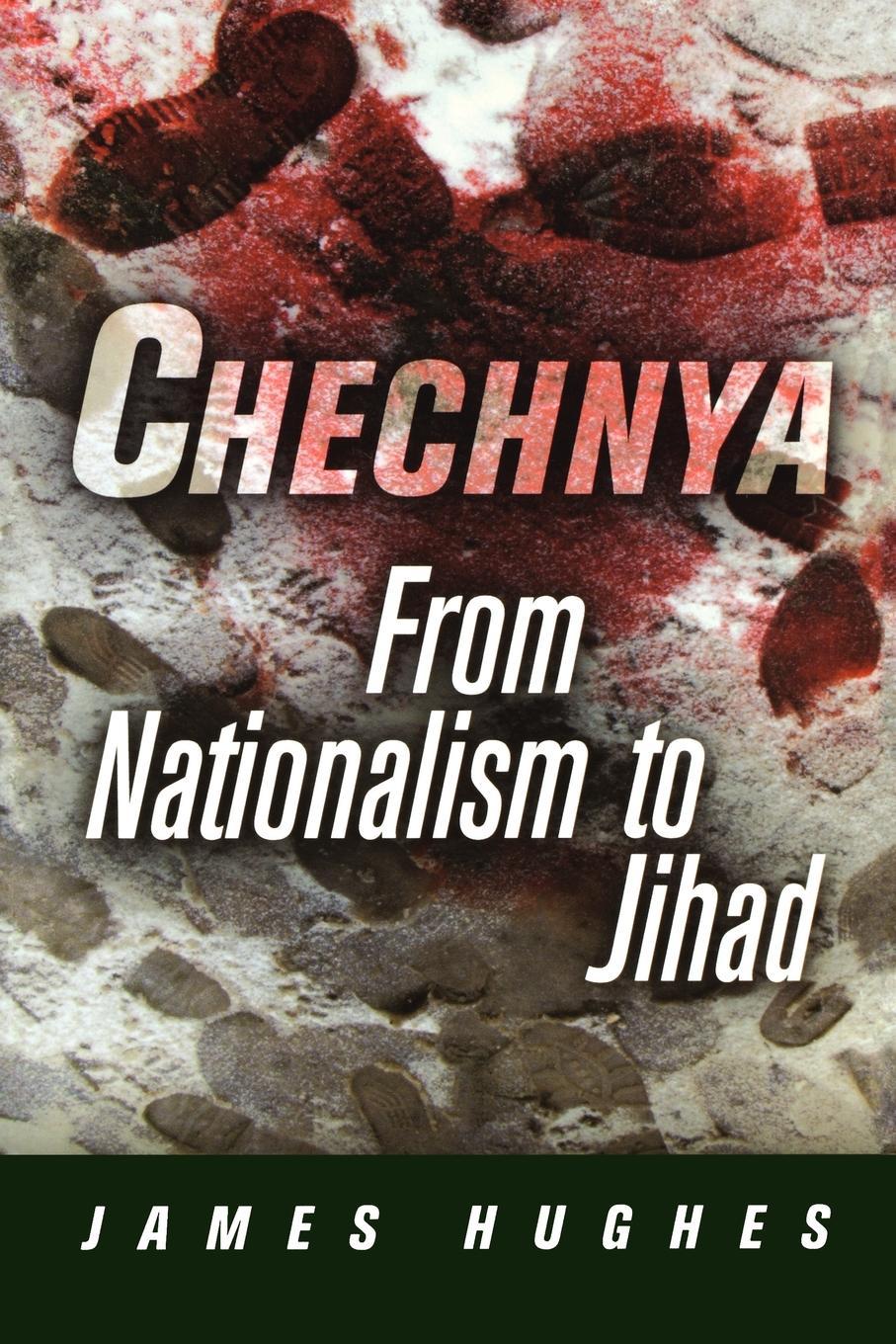
The sheer scale and brutality of the hostilities between Russia and Chechnya stand out as an exception in the mostly peaceful breakup of the Soviet Union. Chechnya: From Nationalism to Jihad provides a fascinating analysis of the transformation of secular nationalist resistance in a nominally Islamic society into a struggle that is its antithesis, jihad. Hughes locates Chechen nationalism within the wider movement for national self-determination that followed the collapse of the Soviet empire. When negotiations failed in the early 1990s, political violence was instrumentalized to consolidate opposing nationalist visions of state-building in Russia and Chechnya. The resistance in Chechnya also occurred in a regional context where Russian hegemony over the Caucasus, especially the resources of the Caspian basin, was in retreat, and in an international context of rising Islamic radicalism. Alongside Bosnia, Kashmir, and other conflicts, Chechnya became embedded in Osama Bin Laden's repertoire of jihadist rhetoric against the "West." It was not simply Russia's destruction of a nationalist option for Chechnya, or "Wahabbist" infiltration from without, that created the political space for Islamism. Rather, we must look also at how the conflict was fought. The lack of proportionality and discrimination in the use of violence, particularly by Russia, accelerated and intensified the Islamic radicalization and thereby transformed the nature of the conflict.
This nuanced and balanced study provides a much-needed antidote to the mythologizing of Chechen resistance before, and its demonization after, 9/11. The conflict in Chechnya involves one of the most contentious issues in contemporary international politics—how do we differentiate between the legitimate use of violence to resist imperialism, occupation, and misgovernment, and the use of terrorism against legitimate rule? This book sets out indispensable lessons for understanding conflicts involving the volatile combination of nationalist insurgency, jihad, and terrorism, most notably for the wars in Iraq and Afghanistan.
Before Memmo my notes were scattered across PDFs. Now a workspace pulls everything into one place — I see exactly what's still left to study.
Memmo's summaries are gold before exams. I don't have to re-read 800 pages two weeks before — just the important parts.
The AI chat has saved me the night before an exam more than once. I just keep asking until I get it — no waiting on a study group to reply.
The quizzes hit exactly what I need to know. Memmo tracks what I get stuck on — so I only practice what's worth it.
Flashcards with spaced repetition are magic. Memmo knows when I'm about to forget something and brings it back.
The AI podcasts are my favorite. I listen on my way to school and get a recap without sitting at a computer.

Handbok i kvalitativa metoder
281 kr

Hållbar utveckling: en introduktion för ingenjörer och andra problemlösare
334 kr

Brymans Samhällsvetenskapliga metoder
390 kr

Projektledning
491 kr

Den orättvisa hälsan: om socioekonomiska skillnader i hälsa och livslängd
326 kr

Vetenskapsteori för nybörjare
196 kr

Organizational Leadership
429 kr

På väg mot läraryrket
172 kr

Det sociala livet i skolan: Socialpsykologiska perspektiv
253 kr

Betygsättningens didaktik
151 kr

Personality
402 kr

Studying Leadership
404 kr

Managing Innovation
477 kr

Introduktion till samhällsvetenskaplig metod
347 kr

The Psychology of Sex and Gender
698 kr

Evidens och kunskap för socialt arbete
207 kr

Introduction to Leadership
605 kr