
Before Memmo my notes were scattered across PDFs. Now a workspace pulls everything into one place — I see exactly what's still left to study.
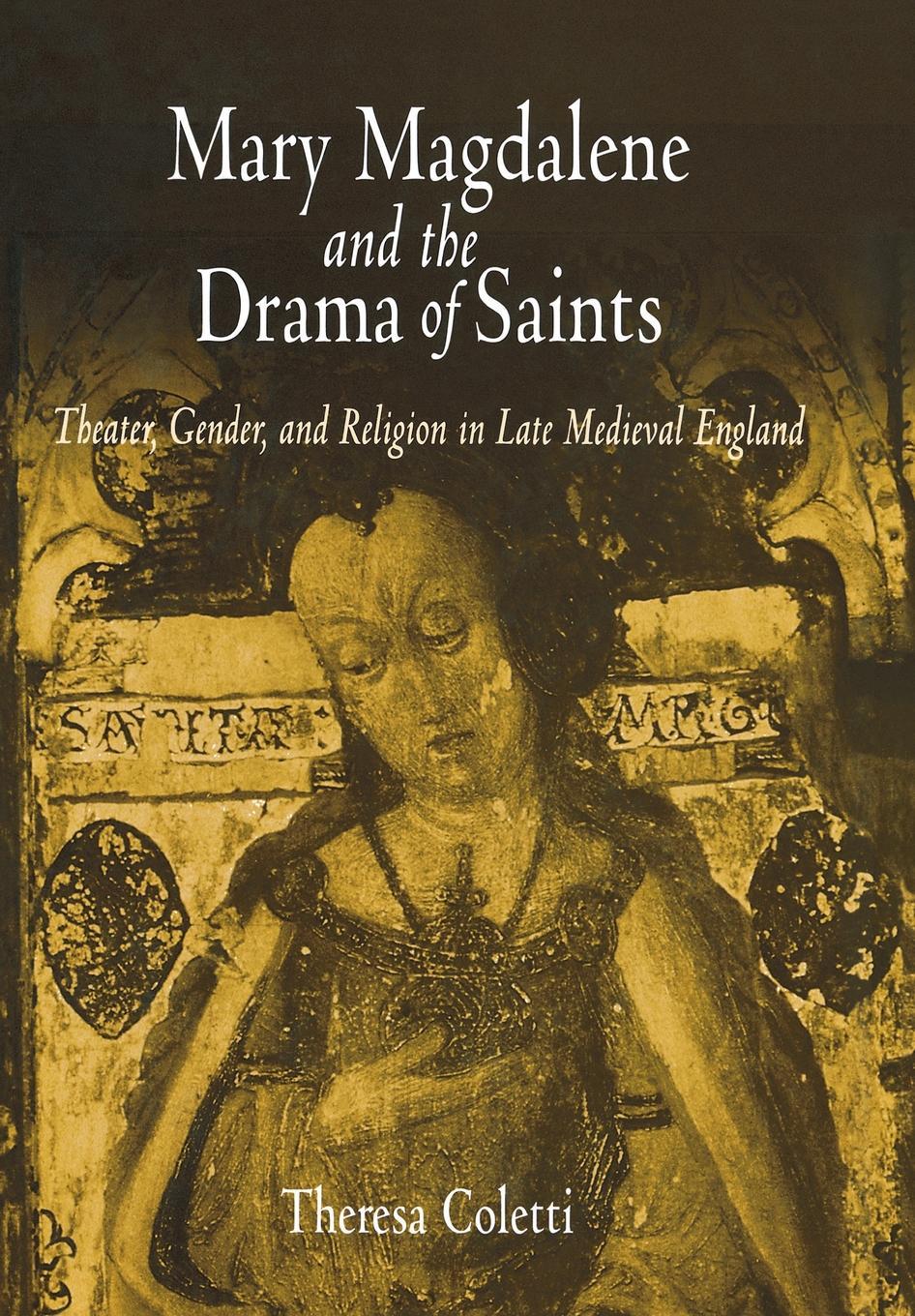
A sinner-saint who embraced then renounced sexual and worldly pleasures; a woman who, through her attachment to Jesus, embodied both erotic and sacred power; a symbol of penance and an exemplar of contemplative and passionate devotion: perhaps no figure stood closer to the center of late medieval debates about the sources of spiritual authority and women's contribution to salvation history than did Mary Magdalene, and perhaps nowhere in later medieval England was cultural preoccupation with the Magdalene stronger than in fifteenth-century East Anglia.
Looking to East Anglian texts including the N-Town Plays, The Book of Margery Kempe, The Revelations of Julian of Norwich, and Bokenham's Legend of Holy Women, Theresa Coletti explores how the gendered symbol of Mary Magdalene mediates tensions between masculine and feminine spiritual power, institutional and individual modes of religious expression, and authorized and unauthorized forms of revelation and sacred speech. Using the Digby play Mary Magdalene as her touchstone, Coletti engages a wide variety of textual and visual resources to make evident the discursive and material ties of East Anglian dramatic texts and feminine religion to broader traditions of cultural commentary and representation.
In bringing the disciplinary perspectives of literary history and criticism, gender studies, and social and religious history to bear on specific local instances of dramatic practice, Mary Magdalene and the Drama of Saints highlights the relevance of Middle English dramatic discourse to the dynamic religious climate of late medieval England. In doing so, the book decisively challenges the marginalization of drama within medieval English studies, elucidates vernacular theater's kinship with influential late medieval religious texts and institutions, and articulates the changing possibilities for sacred representation in the decades before the Reformation.
Before Memmo my notes were scattered across PDFs. Now a workspace pulls everything into one place — I see exactly what's still left to study.
Memmo's summaries are gold before exams. I don't have to re-read 800 pages two weeks before — just the important parts.
The AI chat has saved me the night before an exam more than once. I just keep asking until I get it — no waiting on a study group to reply.
The quizzes hit exactly what I need to know. Memmo tracks what I get stuck on — so I only practice what's worth it.
Flashcards with spaced repetition are magic. Memmo knows when I'm about to forget something and brings it back.
The AI podcasts are my favorite. I listen on my way to school and get a recap without sitting at a computer.

Handbok i kvalitativa metoder
281 kr

Hållbar utveckling: en introduktion för ingenjörer och andra problemlösare
334 kr

Brymans Samhällsvetenskapliga metoder
390 kr

Projektledning
491 kr

Den orättvisa hälsan: om socioekonomiska skillnader i hälsa och livslängd
326 kr

Vetenskapsteori för nybörjare
196 kr

Organizational Leadership
429 kr

På väg mot läraryrket
172 kr

Det sociala livet i skolan: Socialpsykologiska perspektiv
253 kr

Betygsättningens didaktik
151 kr

Personality
402 kr

Studying Leadership
404 kr

Managing Innovation
477 kr

Introduktion till samhällsvetenskaplig metod
347 kr

The Psychology of Sex and Gender
698 kr

Evidens och kunskap för socialt arbete
207 kr

Introduction to Leadership
605 kr