
Before Memmo my notes were scattered across PDFs. Now a workspace pulls everything into one place — I see exactly what's still left to study.
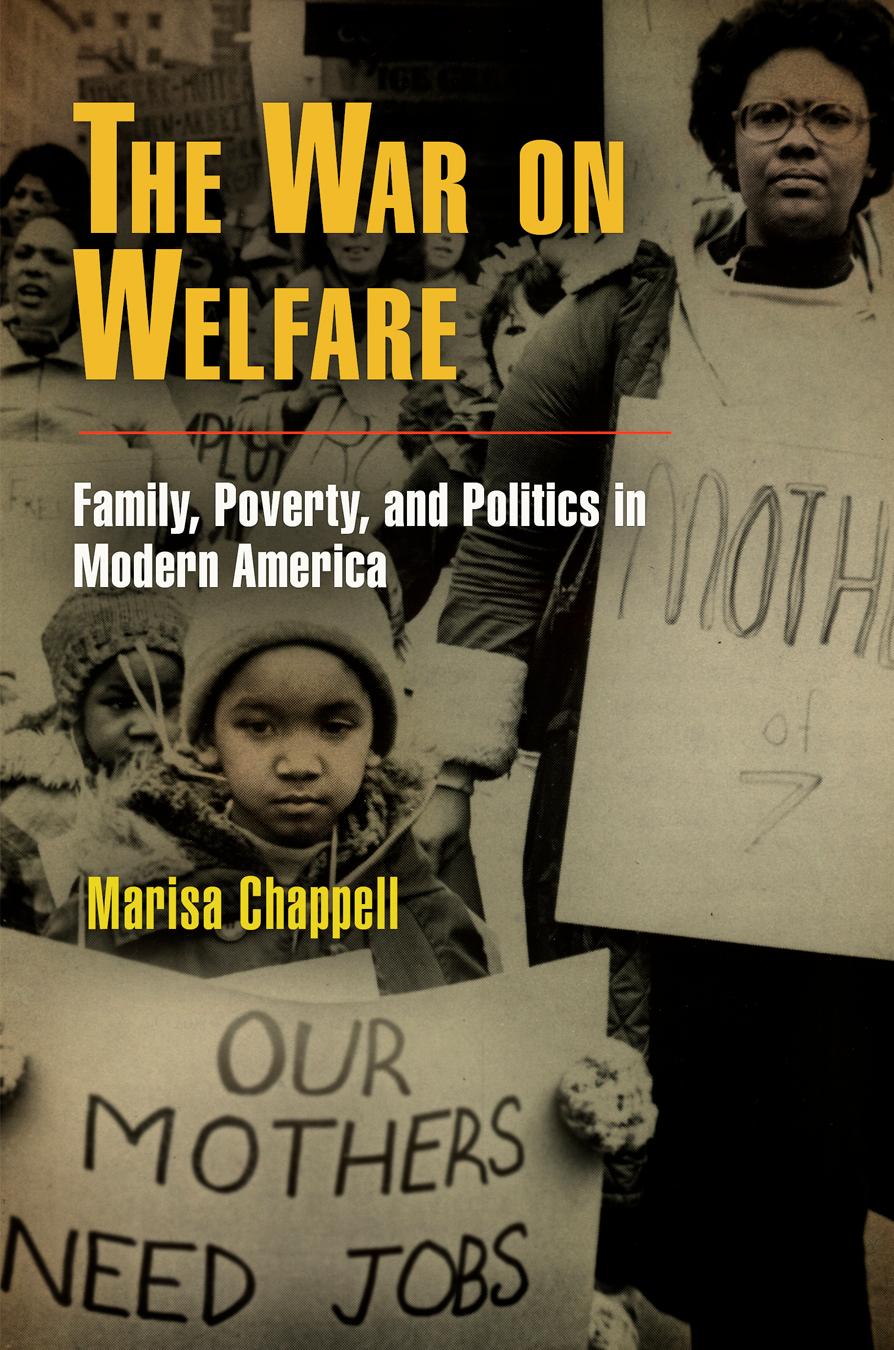
Why did the War on Poverty give way to the war on welfare? Many in the United States saw the welfare reforms of 1996 as the inevitable result of twelve years of conservative retrenchment in American social policy, but there is evidence that the seeds of this change were sown long before the Reagan Revolution—and not necessarily by the Right.
The War on Welfare: Family, Poverty, and Politics in Modern America traces what Bill Clinton famously called "the end of welfare as we know it" to the grassroots of the War on Poverty thirty years earlier. Marshaling a broad variety of sources, historian Marisa Chappell provides a fresh look at the national debate about poverty, welfare, and economic rights from the 1960s through the mid-1990s. In Chappell's telling, we experience the debate over welfare from multiple perspectives, including those of conservatives of several types, liberal antipoverty experts, national liberal organizations, labor, government officials, feminists of various persuasions, and poor women themselves.
During the Johnson and Nixon administrations, deindustrialization, stagnating wages, and widening economic inequality pushed growing numbers of wives and mothers into the workforce. Yet labor unions, antipoverty activists, and moderate liberal groups fought to extend the fading promise of the family wage to poor African Americans families through massive federal investment in full employment and income support for male breadwinners. In doing so, however, these organizations condemned programs like Aid to Families with Dependent Children (AFDC) for supposedly discouraging marriage and breaking up families. Ironically their arguments paved the way for increasingly successful right-wing attacks on both "welfare" and the War on Poverty itself.
Before Memmo my notes were scattered across PDFs. Now a workspace pulls everything into one place — I see exactly what's still left to study.
Memmo's summaries are gold before exams. I don't have to re-read 800 pages two weeks before — just the important parts.
The AI chat has saved me the night before an exam more than once. I just keep asking until I get it — no waiting on a study group to reply.
The quizzes hit exactly what I need to know. Memmo tracks what I get stuck on — so I only practice what's worth it.
Flashcards with spaced repetition are magic. Memmo knows when I'm about to forget something and brings it back.
The AI podcasts are my favorite. I listen on my way to school and get a recap without sitting at a computer.

Handbok i kvalitativa metoder
281 kr

Hållbar utveckling: en introduktion för ingenjörer och andra problemlösare
334 kr

Brymans Samhällsvetenskapliga metoder
390 kr

Projektledning
491 kr

Den orättvisa hälsan: om socioekonomiska skillnader i hälsa och livslängd
326 kr

Vetenskapsteori för nybörjare
196 kr

Organizational Leadership
429 kr

På väg mot läraryrket
172 kr

Det sociala livet i skolan: Socialpsykologiska perspektiv
253 kr

Betygsättningens didaktik
151 kr

Personality
402 kr

Studying Leadership
404 kr

Managing Innovation
477 kr

Introduktion till samhällsvetenskaplig metod
347 kr

The Psychology of Sex and Gender
698 kr

Evidens och kunskap för socialt arbete
207 kr

Introduction to Leadership
605 kr