
Before Memmo my notes were scattered across PDFs. Now a workspace pulls everything into one place — I see exactly what's still left to study.
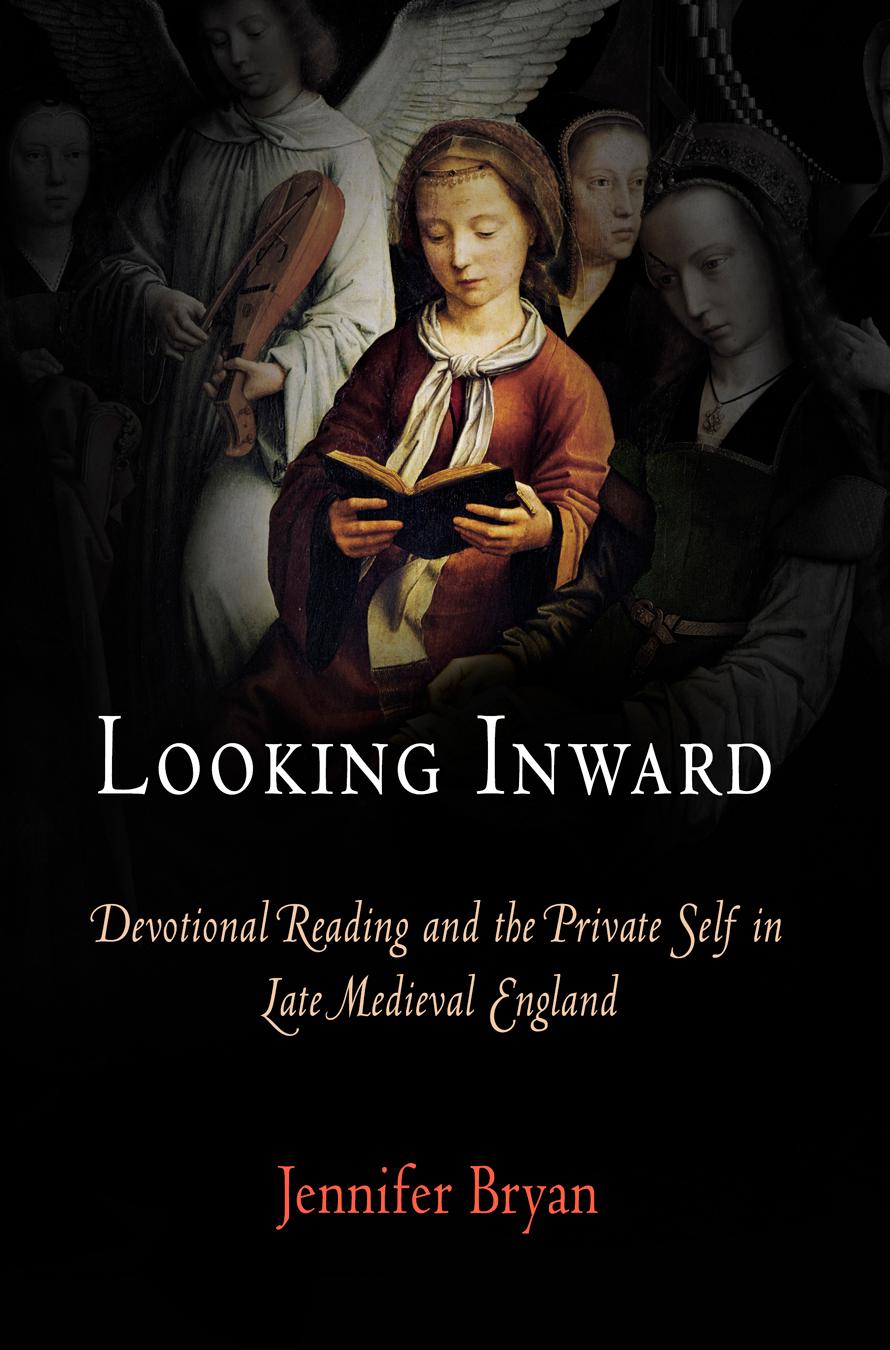
"You must see yourself." The exhortation was increasingly familiar to English men and women in the two centuries before the Reformation. They encountered it repeatedly in their devotional books, the popular guides to spiritual self-improvement that were reaching an ever-growing readership at the end of the Middle Ages. But what did it mean to see oneself? What was the nature of the self to be envisioned, and what eyes and mirrors were needed to see and know it properly?
Looking Inward traces a complex network of answers to such questions, exploring how English readers between 1350 and 1550 learned to envision, examine, and change themselves in the mirrors of devotional literature. By all accounts, it was the most popular literature of the period. With literacy on the rise, an outpouring of translations and adaptations flowed across traditional boundaries between religious and lay, and between female and male, audiences. As forms of piety changed, as social categories became increasingly porous, and as the heart became an increasingly privileged and contested location, the growth of devotional reading created a crucial arena for the making of literate subjectivities. The models of private reading and self-reflection constructed therein would have important implications, not only for English spirituality, but for social, political, and poetic identities, up to the Reformation and beyond.
In Looking Inward, Bryan examines a wide range of devotional and secular texts, from works by Walter Hilton, Julian of Norwich, and Thomas Hoccleve to neglected translations like The Chastising of God's Children and The Pricking of Love. She explores the models of identification and imitation through which they sought to reach the inmost selves of their readers, and the scripts for spiritual desire that they offered for the cultivation of the heart. Illuminating the psychological paradigms at the heart of the genre, Bryan provides fresh insights into how late medieval men and women sought to know, labor in, and profit themselves by means of books.
Before Memmo my notes were scattered across PDFs. Now a workspace pulls everything into one place — I see exactly what's still left to study.
Memmo's summaries are gold before exams. I don't have to re-read 800 pages two weeks before — just the important parts.
The AI chat has saved me the night before an exam more than once. I just keep asking until I get it — no waiting on a study group to reply.
The quizzes hit exactly what I need to know. Memmo tracks what I get stuck on — so I only practice what's worth it.
Flashcards with spaced repetition are magic. Memmo knows when I'm about to forget something and brings it back.
The AI podcasts are my favorite. I listen on my way to school and get a recap without sitting at a computer.

Handbok i kvalitativa metoder
281 kr

Hållbar utveckling: en introduktion för ingenjörer och andra problemlösare
334 kr

Brymans Samhällsvetenskapliga metoder
390 kr

Projektledning
491 kr

Den orättvisa hälsan: om socioekonomiska skillnader i hälsa och livslängd
326 kr

Organizational Leadership
429 kr

Vetenskapsteori för nybörjare
196 kr

På väg mot läraryrket
172 kr

Det sociala livet i skolan: Socialpsykologiska perspektiv
253 kr

Betygsättningens didaktik
151 kr

Personality
402 kr

Studying Leadership
404 kr

Managing Innovation
477 kr

Introduktion till samhällsvetenskaplig metod
347 kr

The Psychology of Sex and Gender
698 kr

Evidens och kunskap för socialt arbete
207 kr

Introduction to Leadership
605 kr