
Before Memmo my notes were scattered across PDFs. Now a workspace pulls everything into one place — I see exactly what's still left to study.
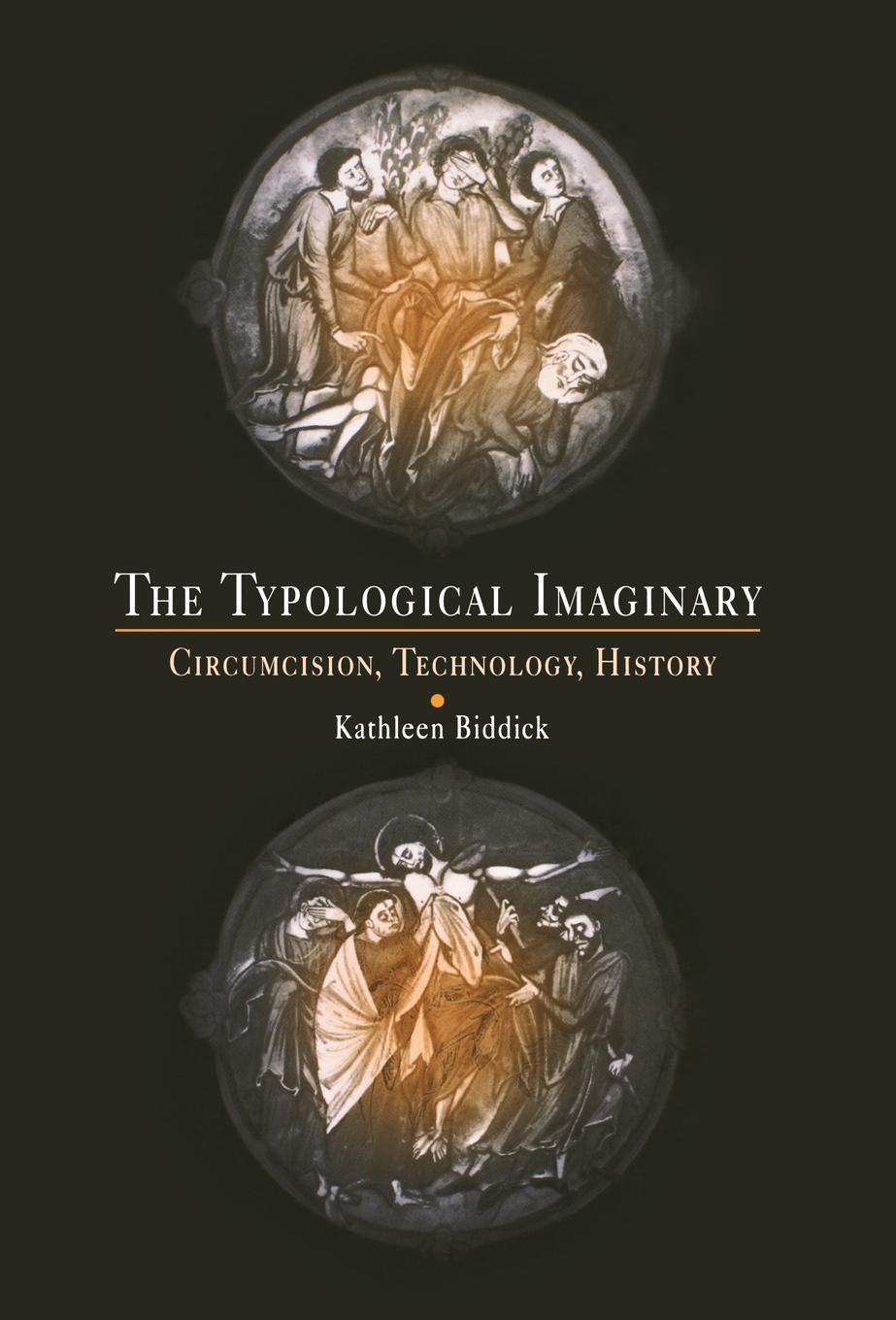
In this book Kathleen Biddick investigates the fate of the enduring timelines fabricated by early Christians to distinguish themselves from their Jewish neighbors. Ranging widely across the history of text, technology, and book art, she relates three interwoven stories: the Christians' translation of circumcision into a graphic problem of writing on the heart; the temporal construction of Christian notions of history based on the binary supersession of an Old Testament past by the present of a new dispensation; and the traumatic repetition of the graphic cutting off of Christians from Jews in academic history and anthropology.
Moving beyond well-studied theological polemics, Biddick works from the relatively unfamiliar vantage point of the graphic technologies used in medieval and early modern texts and print sources, from maps to trial transcripts to universal histories. Addressing current concerns about the posthuman condition by linking them to a deeper genealogy of disembodiment at the technological heart of imaginary fantasies, she argues that such supersessionary practices extend to contemporary psychoanalytic and postcolonial texts, even as they propose alternative ways of thinking about memory and temporality. Crucial to Biddick's study is the ethical challenge of unbinding the typological imaginary, not in order to disavow theological difference but rather to open up the encounter between Christian and Jew to less deadening teleological readings.
Making a significant contribution to the large debate over the transition from "scriptural" to "scientific" culture in Europe, The Typological Imaginary also succeeds in shedding light on the centrality of Jews to medieval and Enlightenment history.
Before Memmo my notes were scattered across PDFs. Now a workspace pulls everything into one place — I see exactly what's still left to study.
Memmo's summaries are gold before exams. I don't have to re-read 800 pages two weeks before — just the important parts.
The AI chat has saved me the night before an exam more than once. I just keep asking until I get it — no waiting on a study group to reply.
The quizzes hit exactly what I need to know. Memmo tracks what I get stuck on — so I only practice what's worth it.
Flashcards with spaced repetition are magic. Memmo knows when I'm about to forget something and brings it back.
The AI podcasts are my favorite. I listen on my way to school and get a recap without sitting at a computer.

Handbok i kvalitativa metoder
281 kr

Hållbar utveckling: en introduktion för ingenjörer och andra problemlösare
334 kr

Brymans Samhällsvetenskapliga metoder
390 kr

Projektledning
491 kr

Den orättvisa hälsan: om socioekonomiska skillnader i hälsa och livslängd
326 kr

Vetenskapsteori för nybörjare
196 kr

Organizational Leadership
429 kr

På väg mot läraryrket
172 kr

Det sociala livet i skolan: Socialpsykologiska perspektiv
253 kr

Betygsättningens didaktik
151 kr

Personality
402 kr

Studying Leadership
404 kr

Managing Innovation
477 kr

Introduktion till samhällsvetenskaplig metod
347 kr

The Psychology of Sex and Gender
698 kr

Evidens och kunskap för socialt arbete
207 kr

Introduction to Leadership
605 kr