
Before Memmo my notes were scattered across PDFs. Now a workspace pulls everything into one place — I see exactly what's still left to study.
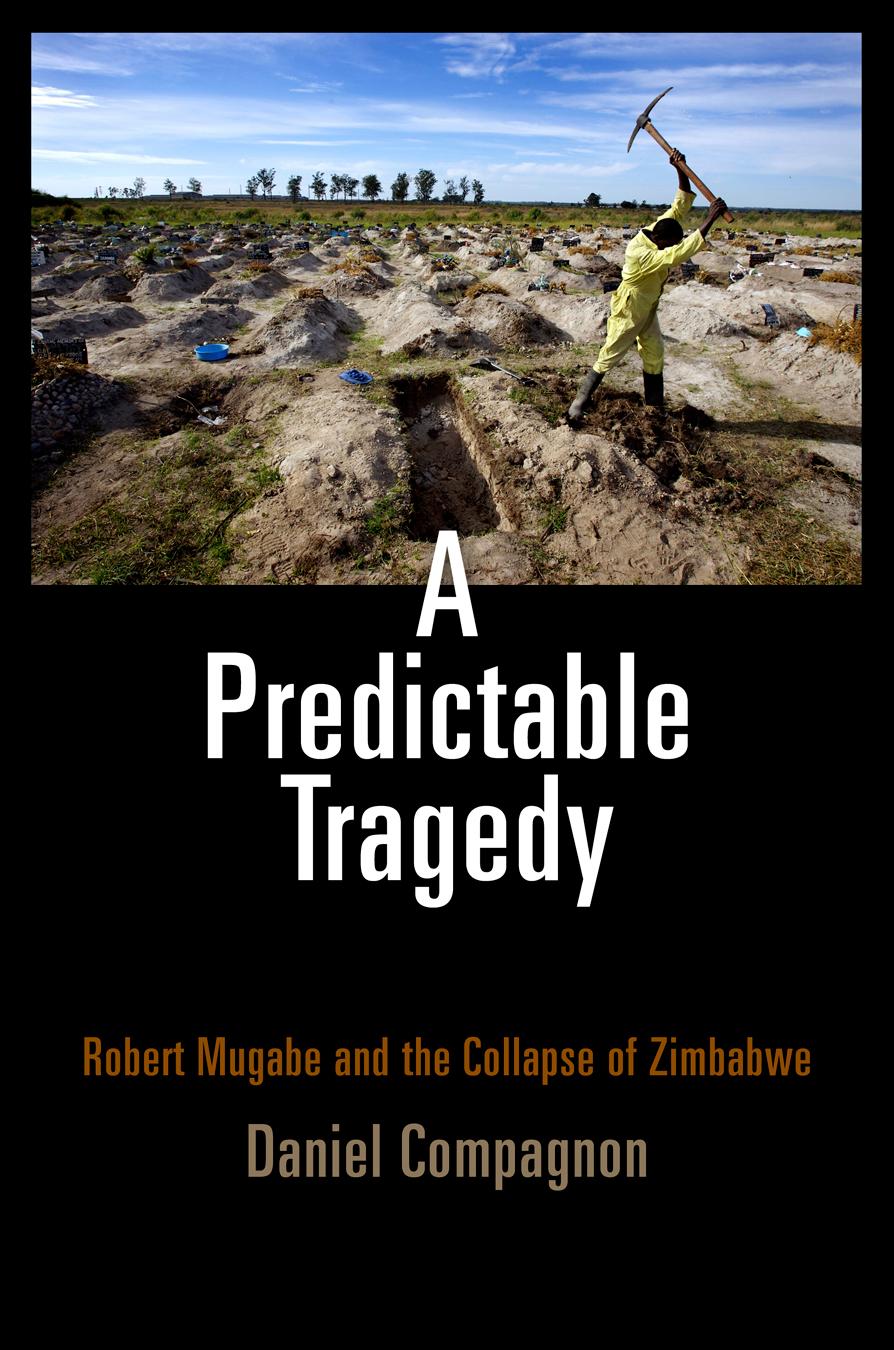
When the southern African country of Rhodesia was reborn as Zimbabwe in 1980, democracy advocates celebrated the defeat of a white supremacist regime and the end of colonial rule. Zimbabwean crowds cheered their new prime minister, freedom fighter Robert Mugabe, with little idea of the misery he would bring them. Under his leadership for the next 30 years, Zimbabwe slid from self-sufficiency into poverty and astronomical inflation. The government once praised for its magnanimity and ethnic tolerance was denounced by leaders like South African Nobel Prize-winner Desmond Tutu. Millions of refugees fled the country. How did the heroic Mugabe become a hated autocrat, and why were so many outside of Zimbabwe blind to his bloody misdeeds for so long?
In A Predictable Tragedy: Robert Mugabe and the Collapse of Zimbabwe Daniel Compagnon reveals that while the conditions and perceptions of Zimbabwe had changed, its leader had not. From the beginning of his political career, Mugabe was a cold tactician with no regard for human rights. Through eyewitness accounts and unflinching analysis, Compagnon describes how Mugabe and the Zimbabwe African National Union-Patriotic Front (ZANU-PF) built a one-party state under an ideological cloak of antiimperialism. To maintain absolute authority, Mugabe undermined one-time ally Joshua Nkomo, terrorized dissenters, stoked the fires of tribalism, covered up the massacre of thousands in Matabeleland, and siphoned off public money to his minions—all well before the late 1990s, when his attempts at radical land redistribution finally drew negative international attention.
A Predictable Tragedy vividly captures the neopatrimonial and authoritarian nature of Mugabe's rule that shattered Zimbabwe's early promises of democracy and offers lessons critical to understanding Africa's predicament and its prospects for the future.
Before Memmo my notes were scattered across PDFs. Now a workspace pulls everything into one place — I see exactly what's still left to study.
Memmo's summaries are gold before exams. I don't have to re-read 800 pages two weeks before — just the important parts.
The AI chat has saved me the night before an exam more than once. I just keep asking until I get it — no waiting on a study group to reply.
The quizzes hit exactly what I need to know. Memmo tracks what I get stuck on — so I only practice what's worth it.
Flashcards with spaced repetition are magic. Memmo knows when I'm about to forget something and brings it back.
The AI podcasts are my favorite. I listen on my way to school and get a recap without sitting at a computer.

Handbok i kvalitativa metoder
281 kr

Hållbar utveckling: en introduktion för ingenjörer och andra problemlösare
334 kr

Brymans Samhällsvetenskapliga metoder
390 kr

Projektledning
491 kr

Den orättvisa hälsan: om socioekonomiska skillnader i hälsa och livslängd
326 kr

Organizational Leadership
429 kr

Vetenskapsteori för nybörjare
196 kr

På väg mot läraryrket
172 kr

Det sociala livet i skolan: Socialpsykologiska perspektiv
253 kr

Betygsättningens didaktik
151 kr

Personality
402 kr

Studying Leadership
404 kr

Managing Innovation
477 kr

Introduktion till samhällsvetenskaplig metod
347 kr

The Psychology of Sex and Gender
698 kr

Evidens och kunskap för socialt arbete
207 kr

Introduction to Leadership
605 kr