
Before Memmo my notes were scattered across PDFs. Now a workspace pulls everything into one place — I see exactly what's still left to study.
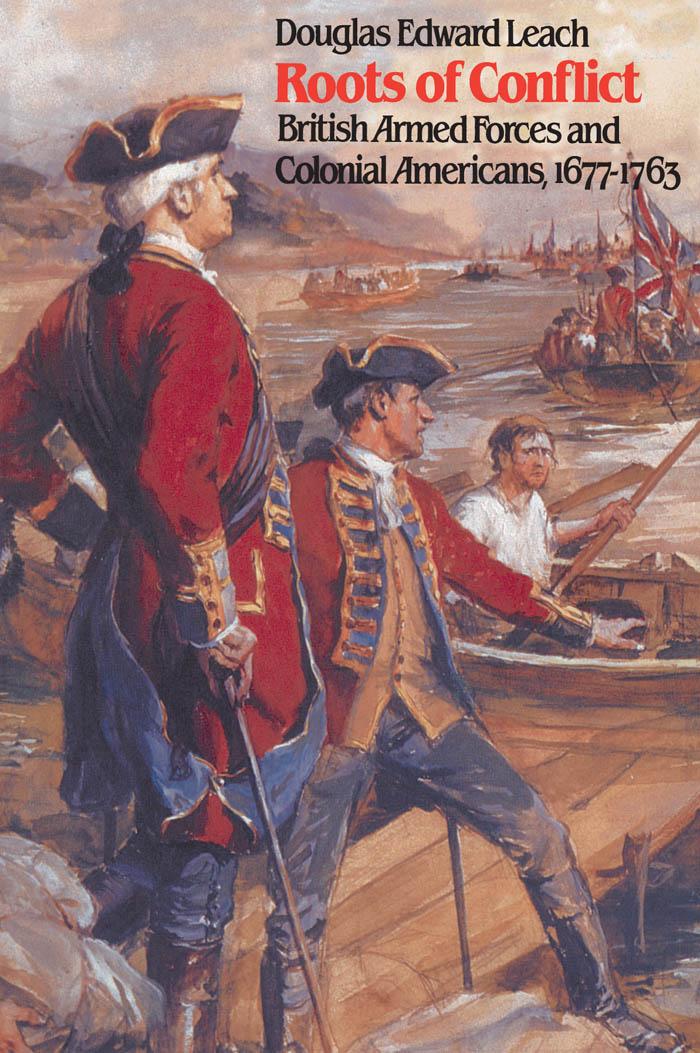
This lively book recounts the story of the antagonism between the American colonists and the British armed forces prior to the Revolution. Douglas Leach reveals certain Anglo-American attitudes and stereotypes that evolved before 1763 and became an important factor leading to the outbreak of the Revolutionary War.
Using research from both England and the United States, Leach provides a comprehensive study of this complex historical relationship. British professional armed forces first were stationed in significant numbers in the colonies during the last quarter of the seventeenth century. During early clashes in Virginia in the 1670s and in Boston and New York in the late 1680s, the colonists began to perceive the British standing army as a repressive force.
The colonists rarely identified with the British military and naval personnel and often came to dislike them as individuals and groups. Not suprisingly, these hostile feelings were reciprocated by the British soldiers, who viewed the colonists as people who had failed to succeed at home and had chosen a crude existence in the wilderness. These attitudes hardened, and by the mid-eighteenth century an atmosphere of distrust and suspicion prevailed on both sides.
With the outbreak of the French and Indian War in 1754, greater numbers of British regulars came to America. Reaching uprecedented levels, the increased contact intensified the British military’s difficulty in finding shelter and acquiring needed supplies and troops from the colonists. Aristocratic British officers considered the provincial officers crude amateurs — incompetent, ineffective, and undisciplined — leading slovenly, unreliable troops. Colonists, in general, hindered the British military by profiteering whenever possible, denouncing taxation for military purposes, and undermining recruiting efforts. Leach shows that these attitudes, formed over decades of tension-breeding contact, are an important development leading up to the American Revolution.
Before Memmo my notes were scattered across PDFs. Now a workspace pulls everything into one place — I see exactly what's still left to study.
Memmo's summaries are gold before exams. I don't have to re-read 800 pages two weeks before — just the important parts.
The AI chat has saved me the night before an exam more than once. I just keep asking until I get it — no waiting on a study group to reply.
The quizzes hit exactly what I need to know. Memmo tracks what I get stuck on — so I only practice what's worth it.
Flashcards with spaced repetition are magic. Memmo knows when I'm about to forget something and brings it back.
The AI podcasts are my favorite. I listen on my way to school and get a recap without sitting at a computer.

Handbok i kvalitativa metoder
281 kr

Hållbar utveckling: en introduktion för ingenjörer och andra problemlösare
334 kr

Brymans Samhällsvetenskapliga metoder
390 kr

Projektledning
491 kr

Den orättvisa hälsan: om socioekonomiska skillnader i hälsa och livslängd
326 kr

Vetenskapsteori för nybörjare
196 kr

Organizational Leadership
429 kr

På väg mot läraryrket
172 kr

Det sociala livet i skolan: Socialpsykologiska perspektiv
253 kr

Betygsättningens didaktik
151 kr

Personality
402 kr

Studying Leadership
404 kr

Managing Innovation
477 kr

Introduktion till samhällsvetenskaplig metod
347 kr

The Psychology of Sex and Gender
698 kr

Evidens och kunskap för socialt arbete
207 kr

Introduction to Leadership
605 kr