
Before Memmo my notes were scattered across PDFs. Now a workspace pulls everything into one place — I see exactly what's still left to study.
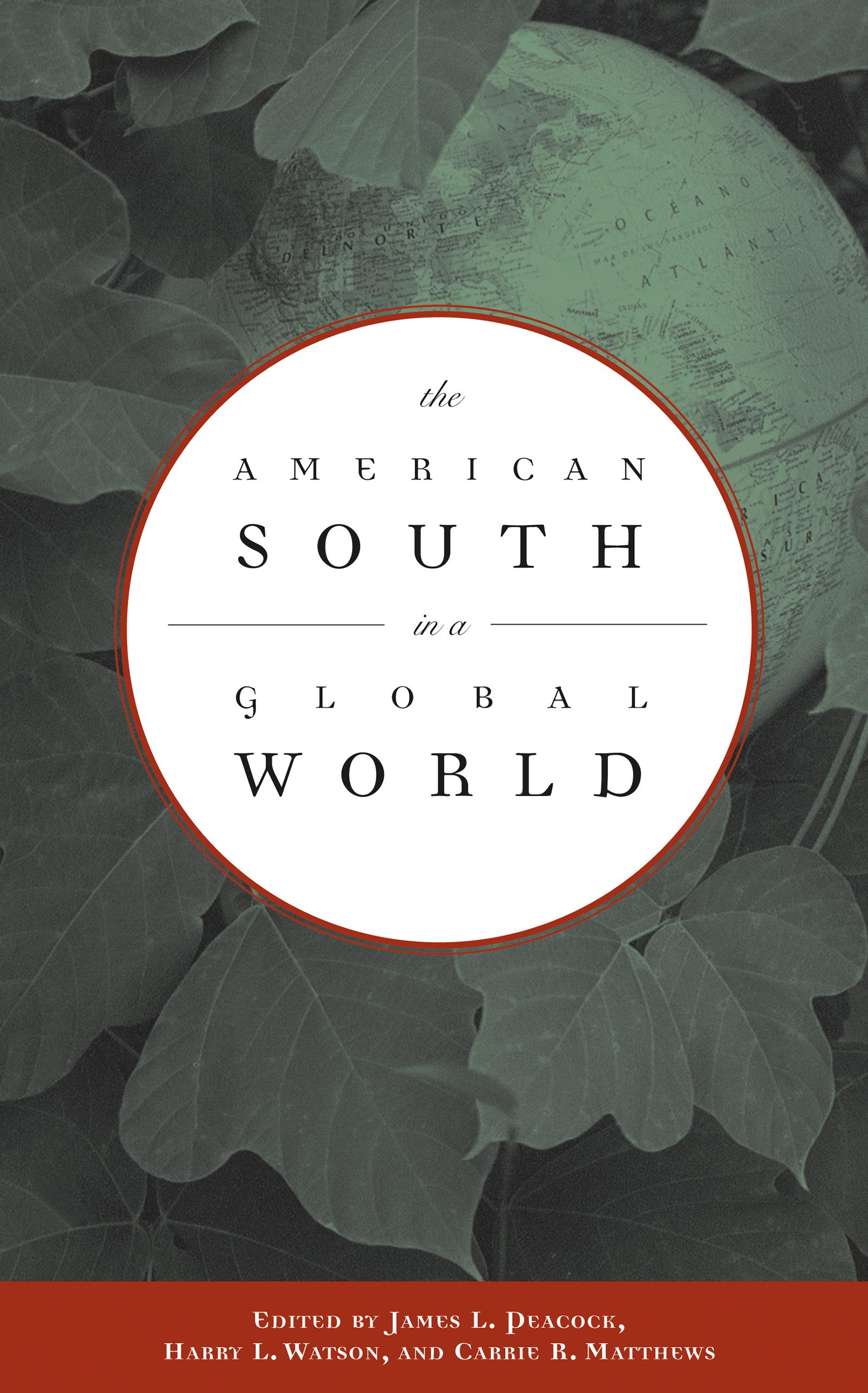
Looking beyond broad theories of globalization, this volume examines the specific effects of globalizing forces on the southern United States. Eighteen essays approach globalization from a variety of perspectives, addressing such topics as relations between global and local communities; immigration, particularly of Latinos and Asians; local industry in a time of globalization; power and confrontation between rural and urban worlds; race, ethnicity, and organizing for social justice; and the assimilation of foreign-born professionals.
From portraits of the political and economic positions of Latinos in Miami and Houston to the effects of mountaintop removal on West Virginia communities, these snapshots of globalization across a broad southern ground help redirect the study of the South in response to how the South itself is being reshaped by globalization in the twenty-first century.
Contributors:
Catherine Brooks, Morristown, New Jersey
David H. Ciscel, University of Memphis
Thaddeus Countway Guldbrandsen, University of New Hampshire
Carla Jones, University of Colorado, Boulder
Sawa Kurotani, University of Redlands (Redlands, Cal.)
Paul A. Levengood, Virginia Historical Society
Carrie R. Matthews, University of North Carolina at Chapel Hill
Bryan McNeil, University of North Carolina at Chapel Hill
Marcela Mendoza, University of Memphis
Donald M. Nonini, University of Toronto
James L. Peacock, University of North Carolina at Chapel Hill
Barbara Ellen Smith, University of Memphis
Jennie M. Smith, Berry College (Mount Berry, Ga.)
Sandy Smith-Nonini, University of Toronto
Ellen Griffith Spears, Emory University
Gregory Stephens, University of West Indies-Mona
Steve Striffler, University of Arkansas
Ajantha Subramanian, Harvard University
Meenu Tewari, University of North Carolina at Chapel Hill
Lucila Vargas, University of North Carolina at Chapel Hill
Harry L. Watson, University of North Carolina at Chapel Hill
Rachel A. Willis, University of North Carolina at Chapel Hill
Before Memmo my notes were scattered across PDFs. Now a workspace pulls everything into one place — I see exactly what's still left to study.
Memmo's summaries are gold before exams. I don't have to re-read 800 pages two weeks before — just the important parts.
The AI chat has saved me the night before an exam more than once. I just keep asking until I get it — no waiting on a study group to reply.
The quizzes hit exactly what I need to know. Memmo tracks what I get stuck on — so I only practice what's worth it.
Flashcards with spaced repetition are magic. Memmo knows when I'm about to forget something and brings it back.
The AI podcasts are my favorite. I listen on my way to school and get a recap without sitting at a computer.

Handbok i kvalitativa metoder
281 kr

Hållbar utveckling: en introduktion för ingenjörer och andra problemlösare
334 kr

Brymans Samhällsvetenskapliga metoder
390 kr

Projektledning
491 kr

Den orättvisa hälsan: om socioekonomiska skillnader i hälsa och livslängd
326 kr

Vetenskapsteori för nybörjare
196 kr

Organizational Leadership
429 kr

På väg mot läraryrket
172 kr

Det sociala livet i skolan: Socialpsykologiska perspektiv
253 kr

Betygsättningens didaktik
151 kr

Personality
402 kr

Studying Leadership
404 kr

Managing Innovation
477 kr

Introduktion till samhällsvetenskaplig metod
347 kr

The Psychology of Sex and Gender
698 kr

Evidens och kunskap för socialt arbete
207 kr

Introduction to Leadership
605 kr