
Before Memmo my notes were scattered across PDFs. Now a workspace pulls everything into one place — I see exactly what's still left to study.
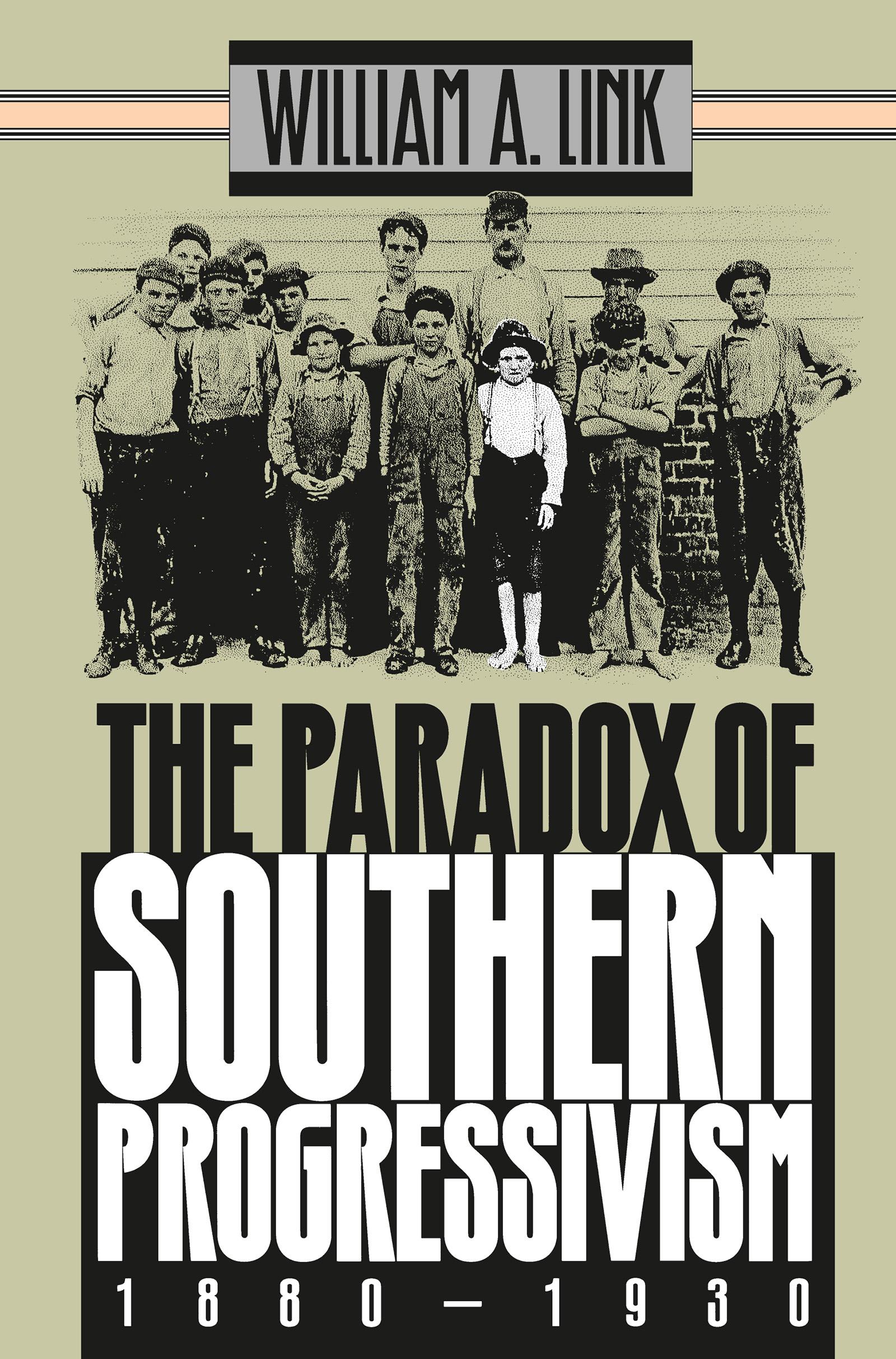
Focusing on the cultural conflicts between social reformers and southern communities, William Link presents an important reinterpretation of the origins and impact of progressivism in the South. He shows that a fundamental clash of values divided reformers and rural southerners, ultimately blocking the reforms. His book, based on extensive archival research, adds a new dimension to the study of American reform movements.
The new group of social reformers that emerged near the end of the nineteenth century believed that the South, an underdeveloped and politically fragile region, was in the midst of a social crisis. They recognized the environmental causes of social problems and pushed for interventionist solutions. As a consensus grew about southern social problems in the early 1900s, reformers adopted new methods to win the support of reluctant or indifferent southerners. By the beginning of World War I, their public crusades on prohibition, health, schools, woman suffrage, and child labor had led to some new social policies and the beginnings of a bureaucratic structure. By the late 1920s, however, social reform and southern progressivism remained largely frustrated.
Link’s analysis of the response of rural southern communities to reform efforts establishes a new social context for southern progressivism. He argues that the movement failed because a cultural chasm divided the reformers and the communities they sought to transform. Reformers were paternalistic. They believed that the new policies should properly be administered from above, and they were not hesitant to impose their own solutions. They also viewed different cultures and races as inferior.
Rural southerners saw their communities and customs quite differently. For most, local control and personal liberty were watchwords. They had long deflected attempts of southern outsiders to control their affairs, and they opposed the paternalistic reforms of the Progressive Era with equal determination. Throughout the 1920s they made effective implementation of policy changes difficult if not impossible. In a small-scale war, rural folk forced the reformers to confront the integrity of the communities they sought to change.
Before Memmo my notes were scattered across PDFs. Now a workspace pulls everything into one place — I see exactly what's still left to study.
Memmo's summaries are gold before exams. I don't have to re-read 800 pages two weeks before — just the important parts.
The AI chat has saved me the night before an exam more than once. I just keep asking until I get it — no waiting on a study group to reply.
The quizzes hit exactly what I need to know. Memmo tracks what I get stuck on — so I only practice what's worth it.
Flashcards with spaced repetition are magic. Memmo knows when I'm about to forget something and brings it back.
The AI podcasts are my favorite. I listen on my way to school and get a recap without sitting at a computer.

Handbok i kvalitativa metoder
281 kr

Hållbar utveckling: en introduktion för ingenjörer och andra problemlösare
334 kr

Brymans Samhällsvetenskapliga metoder
390 kr

Projektledning
491 kr

Den orättvisa hälsan: om socioekonomiska skillnader i hälsa och livslängd
326 kr

Organizational Leadership
429 kr

Vetenskapsteori för nybörjare
196 kr

På väg mot läraryrket
172 kr

Det sociala livet i skolan: Socialpsykologiska perspektiv
253 kr

Betygsättningens didaktik
151 kr

Personality
402 kr

Studying Leadership
404 kr

Managing Innovation
477 kr

Introduktion till samhällsvetenskaplig metod
347 kr

The Psychology of Sex and Gender
698 kr

Evidens och kunskap för socialt arbete
207 kr

Introduction to Leadership
605 kr