
Before Memmo my notes were scattered across PDFs. Now a workspace pulls everything into one place — I see exactly what's still left to study.
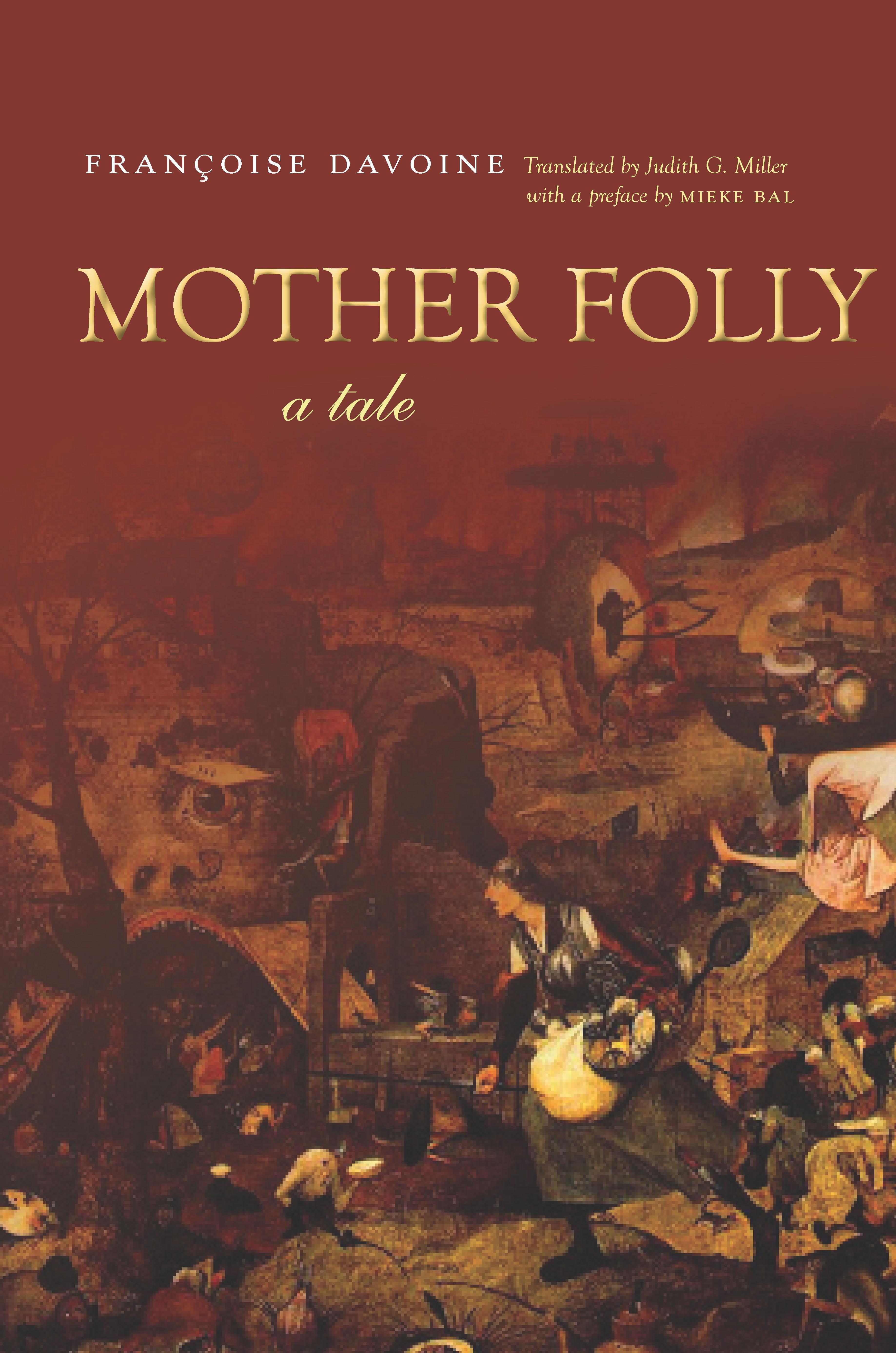
If your mentally ill patient dies, are you to blame? For Dr. Françoise Davoine, a Parisian psychoanalyst, this question becomes disturbingly real as one of her patients commits suicide on the eve of All Saints' Day. She herself has a crisis, as she reflects on her thirty-year career and questions whether she should ever return to the hospital. But return she does, and thus commences a strange voyage across several centuries and countries, in which patients, fools, and the actors of medieval farces rise up from the past along with great thinkers who represent the author's own philosophical and literary sources: the humanist Erasmus, mathematician René Thom, writer Antonin Artaud, philosopher Ludwig Wittgenstein, and physicist Edwin Schrödinger, to name a few. Imaginary dialogues ensue as the analyst conjures up an interconnected world, where apiculture, wondrous rituals, theater, and language games illuminate her therapeutic practice as well as her personal history. Deeply affected by her voyage of discovery, the author becomes capable of implementing the teachings of psychotherapist Gaetano Benedetti, a mentor she visits at carnival time on a final fictional stopover in Switzerland. His advice, that the analyst become the equal of her patients and immerse herself in their madness so as to open up a space for treatment, is premised on the belief that individual illness is a reflection and result of severe historical trauma. Mother Folly, which ends on a positive note, is an important intervention in the debate about how to treat the mentally ill, particularly those with psychosis. A practicing analyst and a skilled reader of literary and philosophical texts, Davoine provides a humane antidote to our increasingly mechanized and drug-reliant system of dealing with "fools and madmen."
Before Memmo my notes were scattered across PDFs. Now a workspace pulls everything into one place — I see exactly what's still left to study.
Memmo's summaries are gold before exams. I don't have to re-read 800 pages two weeks before — just the important parts.
The AI chat has saved me the night before an exam more than once. I just keep asking until I get it — no waiting on a study group to reply.
The quizzes hit exactly what I need to know. Memmo tracks what I get stuck on — so I only practice what's worth it.
Flashcards with spaced repetition are magic. Memmo knows when I'm about to forget something and brings it back.
The AI podcasts are my favorite. I listen on my way to school and get a recap without sitting at a computer.

Handbok i kvalitativa metoder
281 kr

Hållbar utveckling: en introduktion för ingenjörer och andra problemlösare
334 kr

Brymans Samhällsvetenskapliga metoder
390 kr

Projektledning
491 kr

Den orättvisa hälsan: om socioekonomiska skillnader i hälsa och livslängd
326 kr

Organizational Leadership
429 kr

Vetenskapsteori för nybörjare
196 kr

På väg mot läraryrket
172 kr

Det sociala livet i skolan: Socialpsykologiska perspektiv
253 kr

Betygsättningens didaktik
151 kr

Personality
402 kr

Studying Leadership
404 kr

Managing Innovation
477 kr

Introduktion till samhällsvetenskaplig metod
347 kr

The Psychology of Sex and Gender
698 kr

Evidens och kunskap för socialt arbete
207 kr

Introduction to Leadership
605 kr