
Before Memmo my notes were scattered across PDFs. Now a workspace pulls everything into one place — I see exactly what's still left to study.
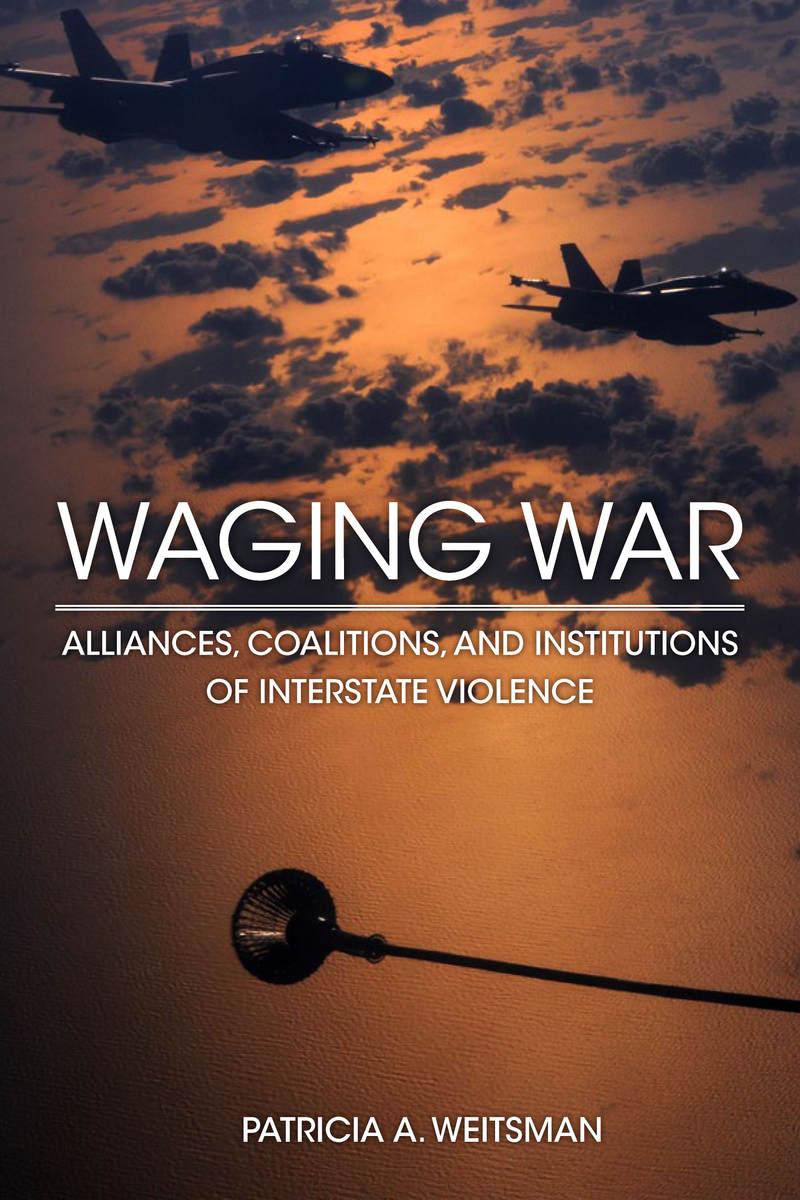
Military alliances provide constraints and opportunities for states seeking to advance their interests around the globe. War, from the Western perspective, is not a solitary endeavor. Partnerships of all types serve as a foundation for the projection of power and the employment of force. These relationships among states provide the foundation upon which hegemony is built.
Waging War argues that these institutions of interstate violence—not just the technology, capability, and level of professionalism and training of armed forces—serve as ready mechanisms to employ force. However, these institutions are not always well designed, and do not always augment fighting effectiveness as they could. They sometimes serve as drags on state capacity. At the same time, the net benefit of having this web of partnerships, agreements, and alliances is remarkable. It makes rapid response to crisis possible, and facilitates countering threats wherever they emerge. This book lays out which institutional arrangements lubricate states' abilities to advance their agendas and prevail in wartime, and which components of institutional arrangements undermine effectiveness and cohesion, and increase costs to states. Patricia Weitsman outlines what she calls a realist institutionalist agenda: one that understands institutions as conduits of capability. She demonstrates and tests the argument in five empirical chapters, examining the cases of the first Gulf War, Kosovo, Afghanistan, Iraq, and Libya. Each case has distinct lessons as well as important generalizations for contemporary multilateral warfighting.
Before Memmo my notes were scattered across PDFs. Now a workspace pulls everything into one place — I see exactly what's still left to study.
Memmo's summaries are gold before exams. I don't have to re-read 800 pages two weeks before — just the important parts.
The AI chat has saved me the night before an exam more than once. I just keep asking until I get it — no waiting on a study group to reply.
The quizzes hit exactly what I need to know. Memmo tracks what I get stuck on — so I only practice what's worth it.
Flashcards with spaced repetition are magic. Memmo knows when I'm about to forget something and brings it back.
The AI podcasts are my favorite. I listen on my way to school and get a recap without sitting at a computer.

Handbok i kvalitativa metoder
281 kr

Hållbar utveckling: en introduktion för ingenjörer och andra problemlösare
334 kr

Brymans Samhällsvetenskapliga metoder
390 kr

Projektledning
491 kr

Den orättvisa hälsan: om socioekonomiska skillnader i hälsa och livslängd
326 kr

Organizational Leadership
429 kr

Vetenskapsteori för nybörjare
196 kr

På väg mot läraryrket
172 kr

Det sociala livet i skolan: Socialpsykologiska perspektiv
253 kr

Betygsättningens didaktik
151 kr

Personality
402 kr

Studying Leadership
404 kr

Managing Innovation
477 kr

Introduktion till samhällsvetenskaplig metod
347 kr

The Psychology of Sex and Gender
698 kr

Evidens och kunskap för socialt arbete
207 kr

Introduction to Leadership
605 kr