
Before Memmo my notes were scattered across PDFs. Now a workspace pulls everything into one place — I see exactly what's still left to study.
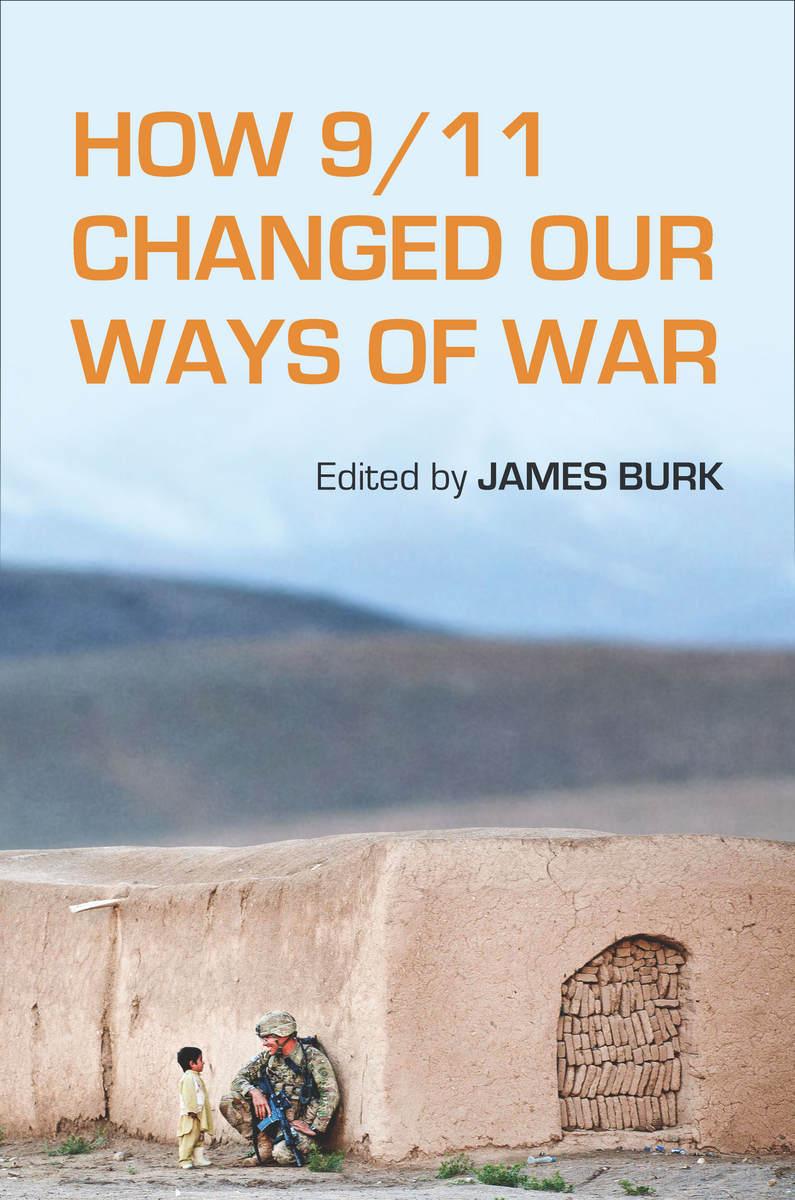
Following the 9/11 attacks, a war against al Qaeda by the U.S. and its liberal democratic allies was next to inevitable. But what kind of war would it be, how would it be fought, for how long, and what would it cost in lives and money? None of this was known at the time. What came to be known was that the old ways of war must change—but how?
Now, with over a decade of political decision-making and warfighting to analyze, How 9/11 Changed Our Ways of War addresses that question. In particular it assesses how well those ways of war, adapted to fight terrorism, affect our military capacity to protect and sustain liberal democratic values.
The book pursues three themes: what shaped the strategic choice to go to war; what force was used to wage the war; and what resources were needed to carry on the fight? In each case, military effectiveness required new and strict limits on the justification, use, and support of force. How to identify and observe these limits is a matter debated by the various contributors. Their debate raises questions about waging future wars—including how to defend against and control the use of drones, cyber warfare, and targeted assassinations. The contributors include historians, political scientists, and sociologists; both academics and practitioners.
Before Memmo my notes were scattered across PDFs. Now a workspace pulls everything into one place — I see exactly what's still left to study.
Memmo's summaries are gold before exams. I don't have to re-read 800 pages two weeks before — just the important parts.
The AI chat has saved me the night before an exam more than once. I just keep asking until I get it — no waiting on a study group to reply.
The quizzes hit exactly what I need to know. Memmo tracks what I get stuck on — so I only practice what's worth it.
Flashcards with spaced repetition are magic. Memmo knows when I'm about to forget something and brings it back.
The AI podcasts are my favorite. I listen on my way to school and get a recap without sitting at a computer.

Handbok i kvalitativa metoder
281 kr

Hållbar utveckling: en introduktion för ingenjörer och andra problemlösare
334 kr

Brymans Samhällsvetenskapliga metoder
390 kr

Projektledning
491 kr

Den orättvisa hälsan: om socioekonomiska skillnader i hälsa och livslängd
326 kr

Vetenskapsteori för nybörjare
196 kr

Organizational Leadership
429 kr

På väg mot läraryrket
172 kr

Det sociala livet i skolan: Socialpsykologiska perspektiv
253 kr

Betygsättningens didaktik
151 kr

Personality
402 kr

Studying Leadership
404 kr

Managing Innovation
477 kr

Introduktion till samhällsvetenskaplig metod
347 kr

The Psychology of Sex and Gender
698 kr

Evidens och kunskap för socialt arbete
207 kr

Introduction to Leadership
605 kr