
Before Memmo my notes were scattered across PDFs. Now a workspace pulls everything into one place — I see exactly what's still left to study.
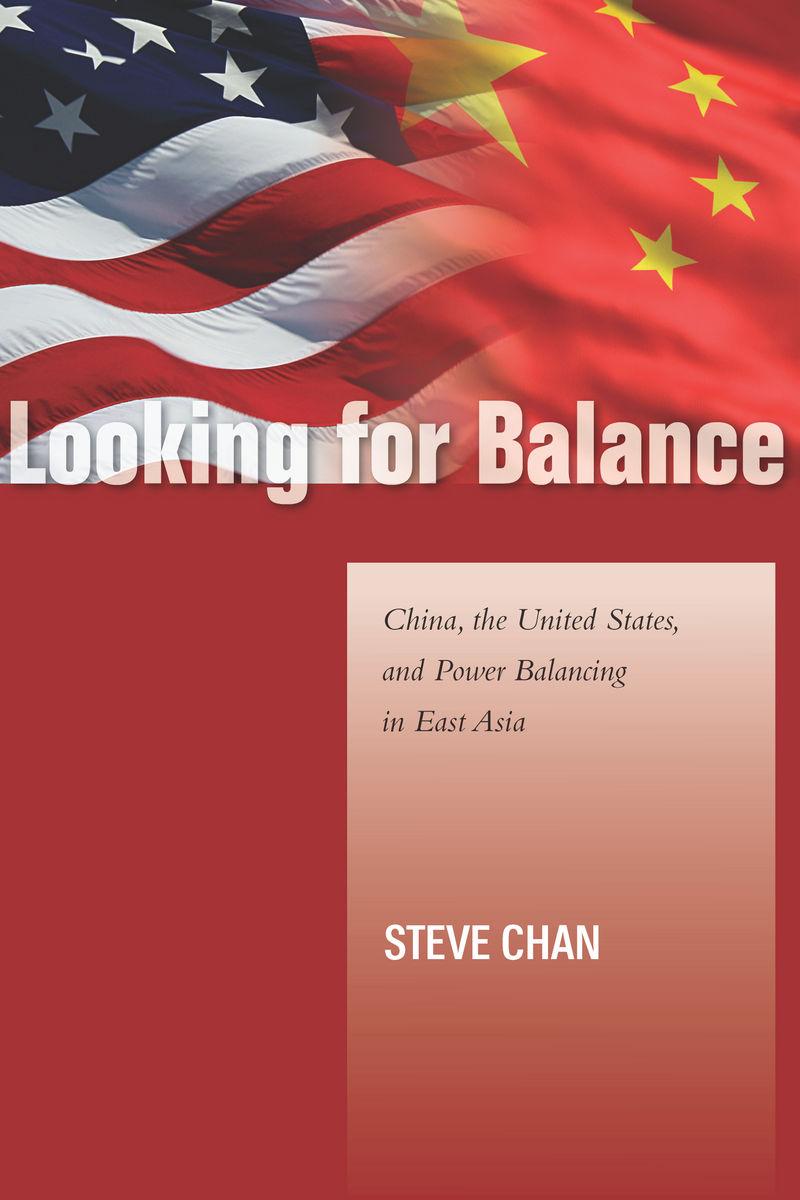
Debate surrounding "China's rise," and the prospects of its possible challenge to America's preeminence, has focused on two questions: whether the United States should "contain" or "engage" China; and whether the rise of Chinese power has inclined other East Asian states to "balance" against Beijing by alignment with the United States or ramping up their military expenditures.
By drawing on alternative theoretic approaches—most especially "balance-of-threat" theory, political economic theory, and theories of regime survival and economic interdependence, Steve Chan is able to create an explanation of regional developments that differs widely from the traditional "strategic vision" of national interest.
He concludes that China's primary aim is not to match U.S. military might or the foreign policy influence that flows from that power, and that its neighbors are not balancing against its rising power because, in today's guns-versus-butter fiscal reality, balancing policies would entail forfeiting possible gains that can accrue from cooperation, economic growth, and the application of GDP to nonmilitary ends. Instead, most East Asian countries have collectively pivoted to a strategy of elite legitimacy and regime survival based on economic performance.
Before Memmo my notes were scattered across PDFs. Now a workspace pulls everything into one place — I see exactly what's still left to study.
Memmo's summaries are gold before exams. I don't have to re-read 800 pages two weeks before — just the important parts.
The AI chat has saved me the night before an exam more than once. I just keep asking until I get it — no waiting on a study group to reply.
The quizzes hit exactly what I need to know. Memmo tracks what I get stuck on — so I only practice what's worth it.
Flashcards with spaced repetition are magic. Memmo knows when I'm about to forget something and brings it back.
The AI podcasts are my favorite. I listen on my way to school and get a recap without sitting at a computer.

Handbok i kvalitativa metoder
281 kr

Hållbar utveckling: en introduktion för ingenjörer och andra problemlösare
334 kr

Brymans Samhällsvetenskapliga metoder
390 kr

Projektledning
491 kr

Den orättvisa hälsan: om socioekonomiska skillnader i hälsa och livslängd
326 kr

Organizational Leadership
429 kr

Vetenskapsteori för nybörjare
196 kr

På väg mot läraryrket
172 kr

Det sociala livet i skolan: Socialpsykologiska perspektiv
253 kr

Betygsättningens didaktik
151 kr

Personality
402 kr

Studying Leadership
404 kr

Managing Innovation
477 kr

Introduktion till samhällsvetenskaplig metod
347 kr

The Psychology of Sex and Gender
698 kr

Evidens och kunskap för socialt arbete
207 kr

Introduction to Leadership
605 kr