
Before Memmo my notes were scattered across PDFs. Now a workspace pulls everything into one place — I see exactly what's still left to study.
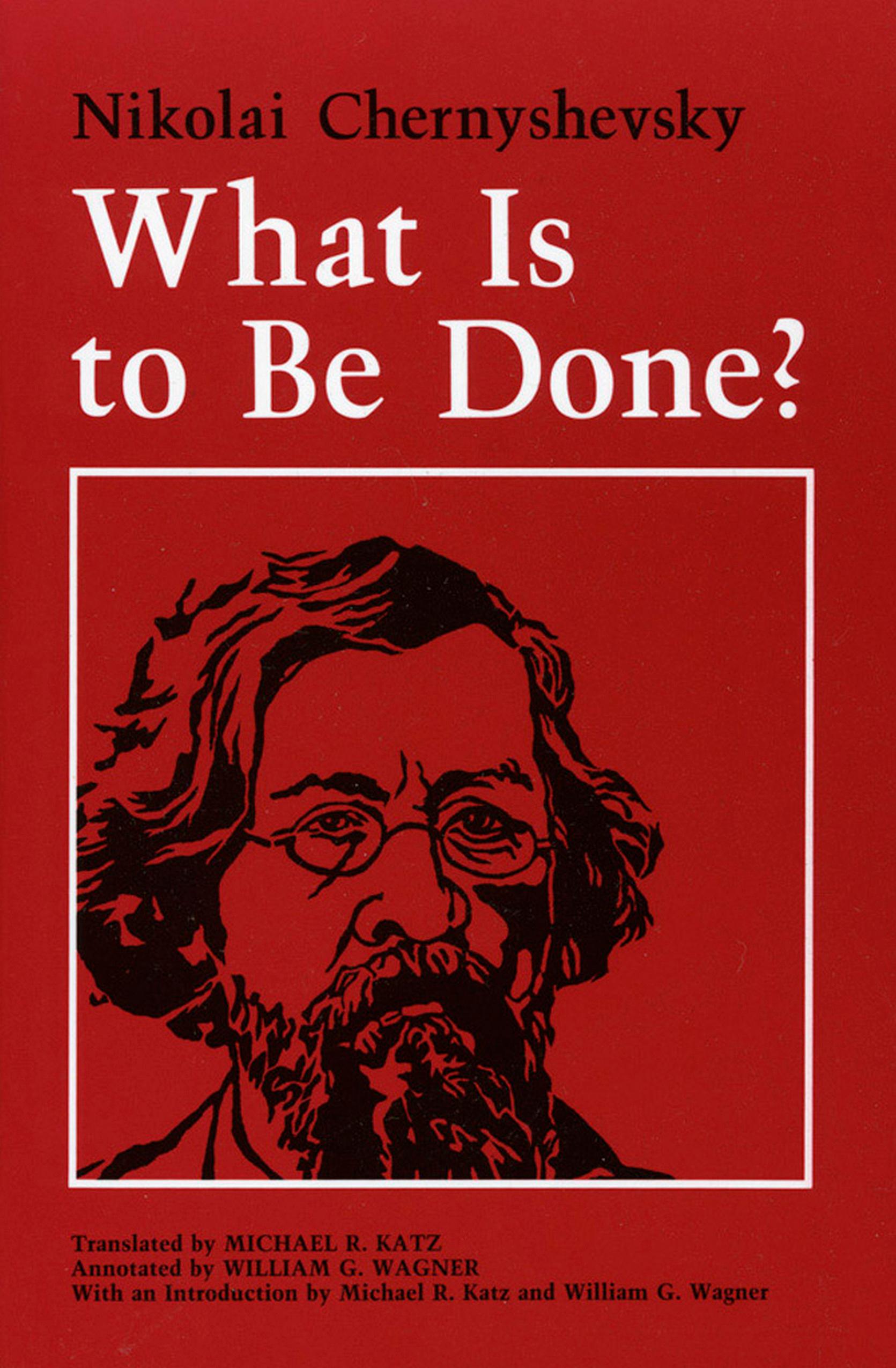
No work in modern literature, with the possible exception of Uncle Tom's Cabin, can compete with What Is to Be Done? in its effect on human lives and its power to make history. For Chernyshevsky's novel, far more than Marx's Capital, supplied the emotional dynamic that eventually went to make the Russian Revolution.―The Southern Review
Almost from the moment of its publication in 1863, Nikolai Chernyshevsky's novel, What Is to Be Done?, had a profound impact on the course of Russian literature and politics. The idealized image it offered of dedicated and self-sacrificing intellectuals transforming society by means of scientific knowledge served as a model of inspiration for Russia's revolutionary intelligentsia. On the one hand, the novel's condemnation of moderate reform helped to bring about the irrevocable break between radical intellectuals and liberal reformers; on the other, Chernyshevsky's socialist vision polarized conservatives' opposition to institutional reform. Lenin himself called Chernyshevsky "the greatest and most talented representative of socialism before Marx"; and the controversy surrounding What Is to Be Done? exacerbated the conflicts that eventually led to the Russian Revolution.
Michael R. Katz's readable and compelling translation is now the definitive unabridged English-language version, brilliantly capturing the extraordinary qualities of the original. William G. Wagner has provided full annotations to Chernyshevsky's allusions and references and to the sources of his ideas, and has appended a critical bibliography.
An introduction by Katz and Wagner places the novel in the context of nineteenth-century Russian social, political, and intellectual history and literature, and explores its importance for several generations of Russian radicals.
Before Memmo my notes were scattered across PDFs. Now a workspace pulls everything into one place — I see exactly what's still left to study.
Memmo's summaries are gold before exams. I don't have to re-read 800 pages two weeks before — just the important parts.
The AI chat has saved me the night before an exam more than once. I just keep asking until I get it — no waiting on a study group to reply.
The quizzes hit exactly what I need to know. Memmo tracks what I get stuck on — so I only practice what's worth it.
Flashcards with spaced repetition are magic. Memmo knows when I'm about to forget something and brings it back.
The AI podcasts are my favorite. I listen on my way to school and get a recap without sitting at a computer.

Handbok i kvalitativa metoder
281 kr

Hållbar utveckling: en introduktion för ingenjörer och andra problemlösare
334 kr

Brymans Samhällsvetenskapliga metoder
390 kr

Projektledning
491 kr

Den orättvisa hälsan: om socioekonomiska skillnader i hälsa och livslängd
326 kr

Organizational Leadership
429 kr

Vetenskapsteori för nybörjare
196 kr

På väg mot läraryrket
172 kr

Det sociala livet i skolan: Socialpsykologiska perspektiv
253 kr

Betygsättningens didaktik
151 kr

Personality
402 kr

Studying Leadership
404 kr

Managing Innovation
477 kr

Introduktion till samhällsvetenskaplig metod
347 kr

The Psychology of Sex and Gender
698 kr

Evidens och kunskap för socialt arbete
207 kr

Introduction to Leadership
605 kr