
Before Memmo my notes were scattered across PDFs. Now a workspace pulls everything into one place — I see exactly what's still left to study.
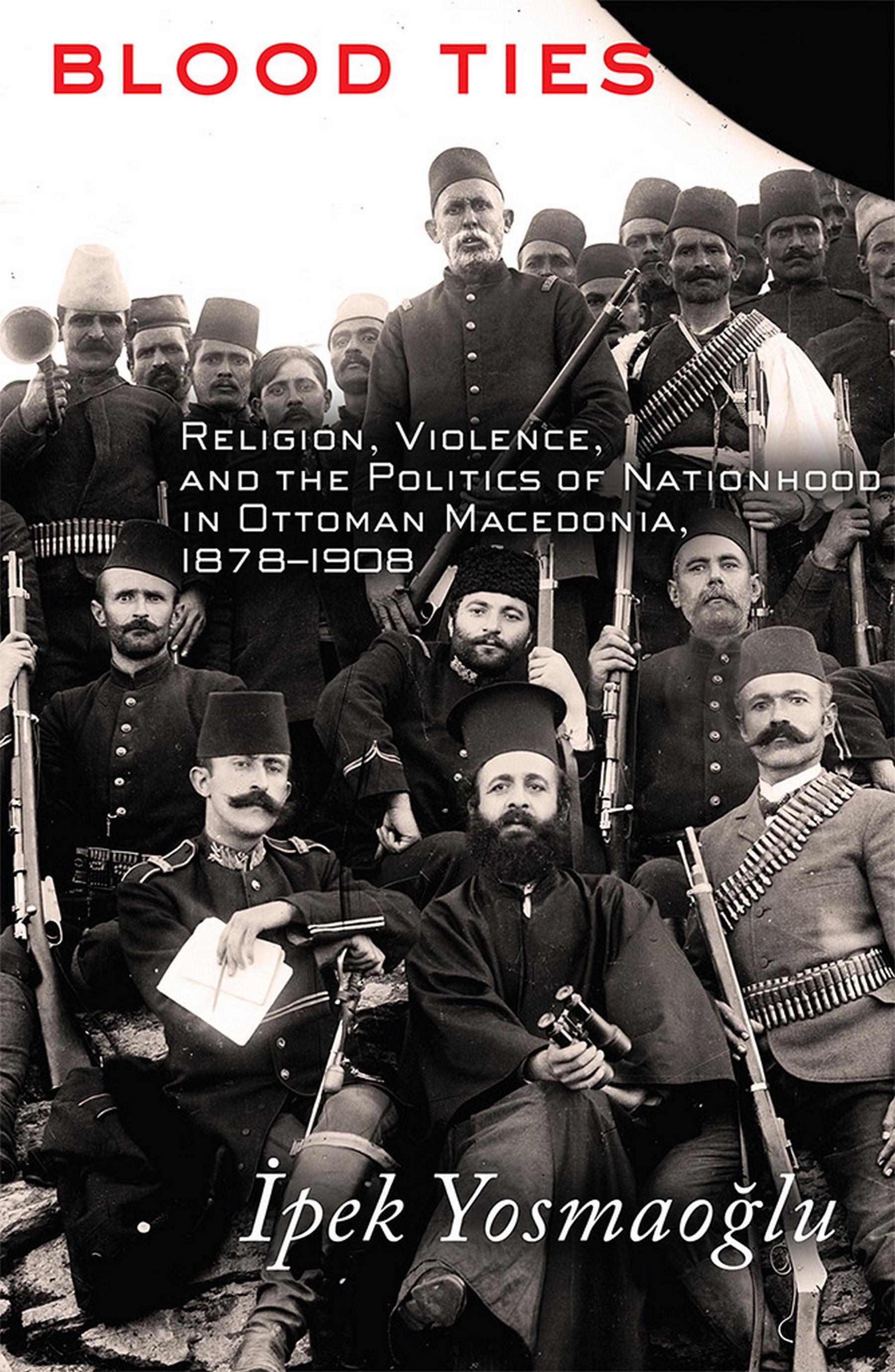
The region that is today the Republic of Macedonia was long the heart of the Ottoman Empire in Europe. It was home to a complex mix of peoples and faiths who had for hundreds of years lived together in relative peace. To be sure, these people were no strangers to coercive violence and various forms of depredations visited upon them by bandits and state agents. In the final decades of the nineteenth century and throughout the twentieth century, however, the region was periodically racked by bitter conflict that was qualitatively different from previous outbreaks of violence. In Blood Ties, İpek K. Yosmaoğlu explains the origins of this shift from sporadic to systemic and pervasive violence through a social history of the "Macedonian Question."
Yosmaoğlu's account begins in the aftermath of the Congress of Berlin (1878), when a potent combination of zero-sum imperialism, nascent nationalism, and modernizing states set in motion the events that directly contributed to the outbreak of World War I and had consequences that reverberate to this day. Focusing on the experience of the inhabitants of Ottoman Macedonia during this period, Yosmaoğlu shows how communal solidarities broke down, time and space were rationalized, and the immutable form of the nation and national identity replaced polyglot, fluid associations that had formerly defined people's sense of collective belonging. The region was remapped; populations were counted and relocated. An escalation in symbolic and physical violence followed, and it was through this process that nationalism became an ideology of mass mobilization among the common folk. Yosmaoğlu argues that national differentiation was a consequence, and not the cause, of violent conflict in Ottoman Macedonia.
Before Memmo my notes were scattered across PDFs. Now a workspace pulls everything into one place — I see exactly what's still left to study.
Memmo's summaries are gold before exams. I don't have to re-read 800 pages two weeks before — just the important parts.
The AI chat has saved me the night before an exam more than once. I just keep asking until I get it — no waiting on a study group to reply.
The quizzes hit exactly what I need to know. Memmo tracks what I get stuck on — so I only practice what's worth it.
Flashcards with spaced repetition are magic. Memmo knows when I'm about to forget something and brings it back.
The AI podcasts are my favorite. I listen on my way to school and get a recap without sitting at a computer.

Handbok i kvalitativa metoder
281 kr

Hållbar utveckling: en introduktion för ingenjörer och andra problemlösare
334 kr

Brymans Samhällsvetenskapliga metoder
390 kr

Projektledning
491 kr

Den orättvisa hälsan: om socioekonomiska skillnader i hälsa och livslängd
326 kr

Organizational Leadership
429 kr

Vetenskapsteori för nybörjare
196 kr

På väg mot läraryrket
172 kr

Det sociala livet i skolan: Socialpsykologiska perspektiv
253 kr

Betygsättningens didaktik
151 kr

Personality
402 kr

Studying Leadership
404 kr

Managing Innovation
477 kr

Introduktion till samhällsvetenskaplig metod
347 kr

The Psychology of Sex and Gender
698 kr

Evidens och kunskap för socialt arbete
207 kr

Introduction to Leadership
605 kr