
Before Memmo my notes were scattered across PDFs. Now a workspace pulls everything into one place — I see exactly what's still left to study.
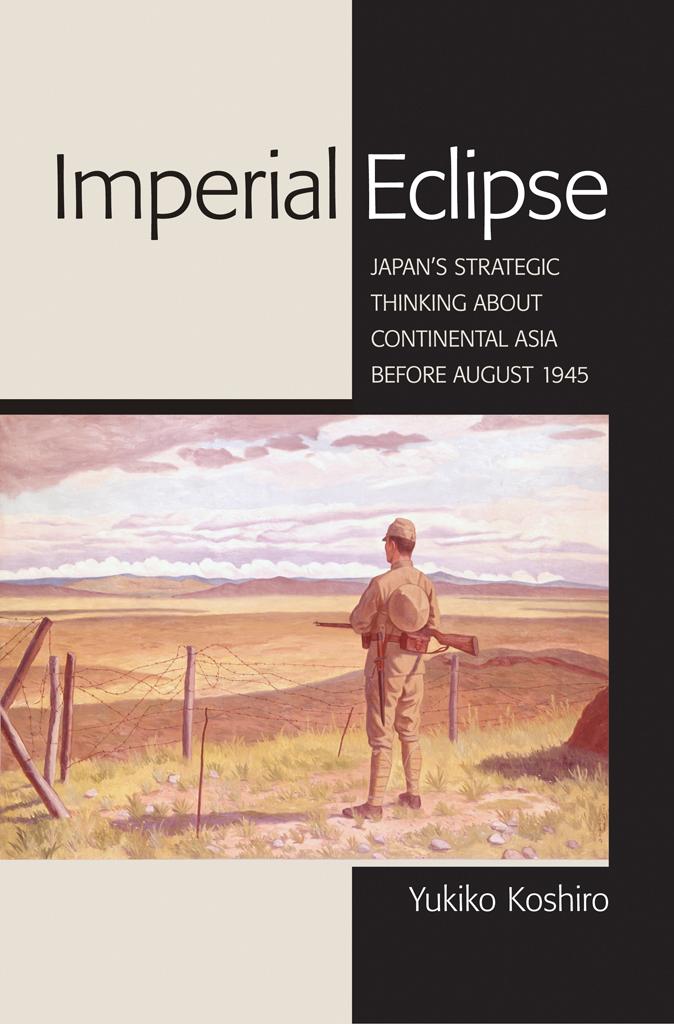
The "Pacific War" narrative of Japan's defeat that was established after 1945 started with the attack on Pearl Harbor, detailed the U.S. island-hopping campaigns across the Western Pacific, and culminated in the atomic bombings of Hiroshima and Nagasaki, Japan's capitulation, and its recasting as the western shore of an American ocean. But in the decades leading up to World War II and over the course of the conflict, Japan's leaders and citizens were as deeply concerned about continental Asia—and the Soviet Union, in particular—as they were about the Pacific theater and the United States. In Imperial Eclipse, Yukiko Koshiro reassesses the role that Eurasia played in Japan's diplomatic and military thinking from the turn of the twentieth century to the end of the war.
Through unprecedented archival research, Koshiro has located documents and reports expunged from the files of the Japanese Cabinet, ministries of Foreign Affairs and War, and Imperial Headquarters, allowing her to reconstruct Japan's official thinking about its plans for continental Asia. She brings to light new information on the assumptions and resulting plans that Japan's leaders made as military defeat became increasingly certain and the Soviet Union slowly moved to declare war on Japan (which it finally did on August 8, two days after Hiroshima). She also describes Japanese attitudes toward Russia in the prewar years, highlighting the attractions of communism and the treatment of Russians in the Japanese empire; and she traces imperial attitudes toward Korea and China throughout this period. Koshiro's book offers a balanced and comprehensive account of imperial Japan's global ambitions.
Before Memmo my notes were scattered across PDFs. Now a workspace pulls everything into one place — I see exactly what's still left to study.
Memmo's summaries are gold before exams. I don't have to re-read 800 pages two weeks before — just the important parts.
The AI chat has saved me the night before an exam more than once. I just keep asking until I get it — no waiting on a study group to reply.
The quizzes hit exactly what I need to know. Memmo tracks what I get stuck on — so I only practice what's worth it.
Flashcards with spaced repetition are magic. Memmo knows when I'm about to forget something and brings it back.
The AI podcasts are my favorite. I listen on my way to school and get a recap without sitting at a computer.

Handbok i kvalitativa metoder
281 kr

Hållbar utveckling: en introduktion för ingenjörer och andra problemlösare
334 kr

Brymans Samhällsvetenskapliga metoder
390 kr

Projektledning
491 kr

Den orättvisa hälsan: om socioekonomiska skillnader i hälsa och livslängd
326 kr

Vetenskapsteori för nybörjare
196 kr

Organizational Leadership
429 kr

På väg mot läraryrket
172 kr

Det sociala livet i skolan: Socialpsykologiska perspektiv
253 kr

Betygsättningens didaktik
151 kr

Personality
402 kr

Studying Leadership
404 kr

Managing Innovation
477 kr

Introduktion till samhällsvetenskaplig metod
347 kr

The Psychology of Sex and Gender
698 kr

Evidens och kunskap för socialt arbete
207 kr

Introduction to Leadership
605 kr