
Before Memmo my notes were scattered across PDFs. Now a workspace pulls everything into one place — I see exactly what's still left to study.
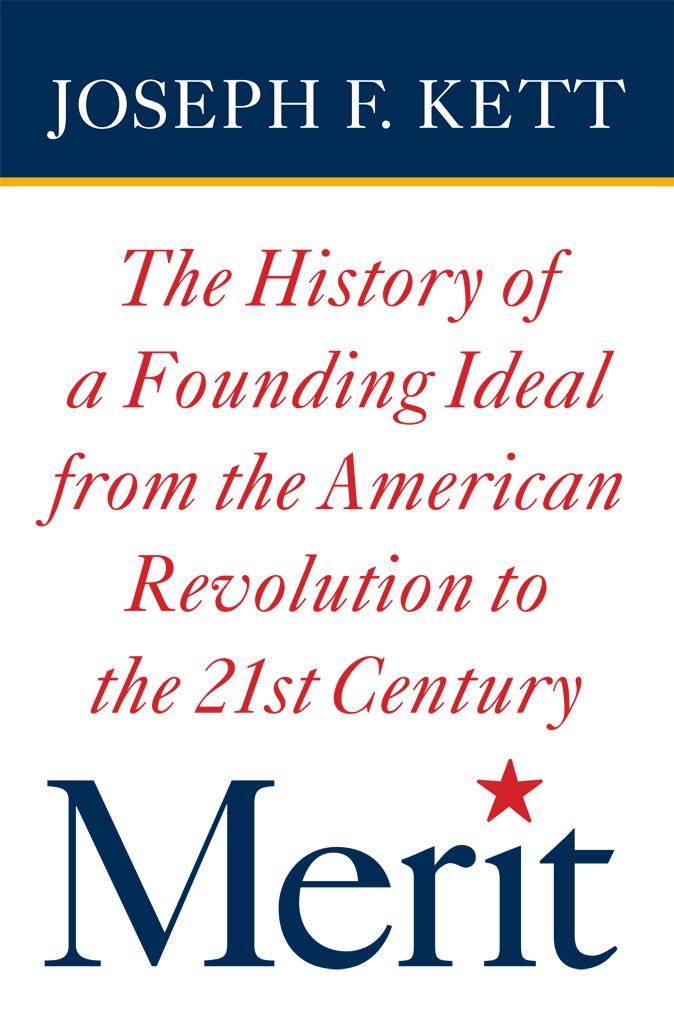
The idea that citizens' advancement should depend exclusively on merit, on qualities that deserve reward rather than on bloodlines or wire-pulling, was among the Founding ideals of the American republic, Joseph F. Kett argues in this provocative and engaging book. Merit's history, he contends, is best understood within the context of its often conflicting interaction with the other ideals of the Founding, equal rights and government by consent. Merit implies difference; equality suggests sameness. By sanctioning selection of those lower down by those higher up, merit potentially conflicts with the republican ideal that citizens consent to the decisions that affect their lives.
In Merit, which traces the history of its subject over three centuries, Kett asserts that Americans have reconciled merit with other principles of the Founding in ways that have shaped their distinctive approach to the grading of public schools, report cards, the forging of workplace hierarchies, employee rating forms, merit systems in government, the selection of officers for the armed forces, and standardized testing for intelligence, character, and vocational interests.
Today, the concept of merit is most commonly associated with measures by which it is quantified. Viewing their merit as an element of their selfhood—essential merit—members of the Founding generation showed no interest in quantitative measurements. Rather, they equated merit with an inner quality that accounted for their achievements and that was best measured by their reputations among their peers. In a republic based on equal rights and consent of the people, however, it became important to establish that merit-based rewards were within the grasp of ordinary Americans. In response, Americans embraced institutional merit in the form of procedures focused on drawing small distinctions among average people. They also developed a penchant for increasing the number of winners in competitions—what Kett calls "selection in" rather than "selection out"—in order to satisfy popular aspirations. Merit argues that values rooted in the Founding of the republic continue to influence Americans' approach to controversies, including those surrounding affirmative action, which involve the ideal of merit.
Before Memmo my notes were scattered across PDFs. Now a workspace pulls everything into one place — I see exactly what's still left to study.
Memmo's summaries are gold before exams. I don't have to re-read 800 pages two weeks before — just the important parts.
The AI chat has saved me the night before an exam more than once. I just keep asking until I get it — no waiting on a study group to reply.
The quizzes hit exactly what I need to know. Memmo tracks what I get stuck on — so I only practice what's worth it.
Flashcards with spaced repetition are magic. Memmo knows when I'm about to forget something and brings it back.
The AI podcasts are my favorite. I listen on my way to school and get a recap without sitting at a computer.

Handbok i kvalitativa metoder
281 kr

Hållbar utveckling: en introduktion för ingenjörer och andra problemlösare
334 kr

Brymans Samhällsvetenskapliga metoder
390 kr

Projektledning
491 kr

Den orättvisa hälsan: om socioekonomiska skillnader i hälsa och livslängd
326 kr

Organizational Leadership
429 kr

Vetenskapsteori för nybörjare
196 kr

På väg mot läraryrket
172 kr

Det sociala livet i skolan: Socialpsykologiska perspektiv
253 kr

Betygsättningens didaktik
151 kr

Personality
402 kr

Studying Leadership
404 kr

Managing Innovation
477 kr

Introduktion till samhällsvetenskaplig metod
347 kr

The Psychology of Sex and Gender
698 kr

Evidens och kunskap för socialt arbete
207 kr

Introduction to Leadership
605 kr