
Before Memmo my notes were scattered across PDFs. Now a workspace pulls everything into one place — I see exactly what's still left to study.
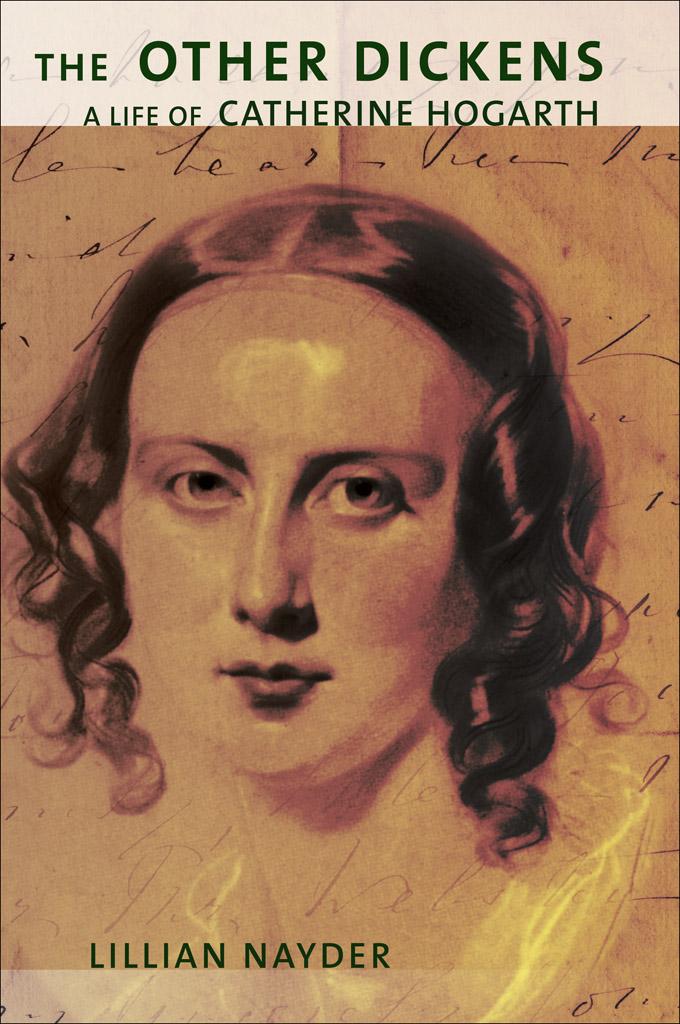
Catherine Hogarth, who came from a cultured Scots family, married Charles Dickens in 1836, the same year he began serializing his first novel. Together they traveled widely, entertained frequently, and raised ten children. In 1858, the celebrated writer pressured Catherine to leave their home, unjustly alleging that she was mentally disordered—unfit and unloved as wife and mother. Constructing a plotline nearly as powerful as his stories of Scrooge and Little Nell, Dickens created the image of his wife as a depressed and uninteresting figure, using two of her three sisters against her, by measuring her presumed weaknesses against their strengths. This self-serving fiction is still widely accepted.
In the first comprehensive biography of Catherine Dickens, Lillian Nayder debunks this tale in retelling it, wresting away from the famous novelist the power to shape his wife's story. Nayder demonstrates that the Dickenses' marriage was long a happy one; more important, she shows that the figure we know only as "Mrs. Charles Dickens" was also a daughter, sister, and friend, a loving mother and grandmother, a capable household manager, and an intelligent person whose company was valued and sought by a wide circle of women and men.
Making use of the Dickenses' banking records and legal papers as well as their correspondence with friends and family members, Nayder challenges the long-standing view of Catherine Dickens and offers unparalleled insights into the relations among the four Hogarth sisters, reclaiming those cherished by the famous novelist as Catherine's own and illuminating her special bond with her youngest sister, Helen, her staunchest ally during the marital breakdown. Drawing on little-known, unpublished material and forcing Catherine's husband from center stage, The Other Dickens revolutionizes our perception of the Dickens family dynamic, illuminates the legal and emotional ambiguities of Catherine's position as a "single" wife, and deepens our understanding of what it meant to be a woman in the Victorian age.
Before Memmo my notes were scattered across PDFs. Now a workspace pulls everything into one place — I see exactly what's still left to study.
Memmo's summaries are gold before exams. I don't have to re-read 800 pages two weeks before — just the important parts.
The AI chat has saved me the night before an exam more than once. I just keep asking until I get it — no waiting on a study group to reply.
The quizzes hit exactly what I need to know. Memmo tracks what I get stuck on — so I only practice what's worth it.
Flashcards with spaced repetition are magic. Memmo knows when I'm about to forget something and brings it back.
The AI podcasts are my favorite. I listen on my way to school and get a recap without sitting at a computer.

Handbok i kvalitativa metoder
281 kr

Hållbar utveckling: en introduktion för ingenjörer och andra problemlösare
334 kr

Brymans Samhällsvetenskapliga metoder
390 kr

Projektledning
491 kr

Den orättvisa hälsan: om socioekonomiska skillnader i hälsa och livslängd
326 kr

Vetenskapsteori för nybörjare
196 kr

Organizational Leadership
429 kr

På väg mot läraryrket
172 kr

Det sociala livet i skolan: Socialpsykologiska perspektiv
253 kr

Betygsättningens didaktik
151 kr

Personality
402 kr

Studying Leadership
404 kr

Managing Innovation
477 kr

Introduktion till samhällsvetenskaplig metod
347 kr

The Psychology of Sex and Gender
698 kr

Evidens och kunskap för socialt arbete
207 kr

Introduction to Leadership
605 kr