
Before Memmo my notes were scattered across PDFs. Now a workspace pulls everything into one place — I see exactly what's still left to study.
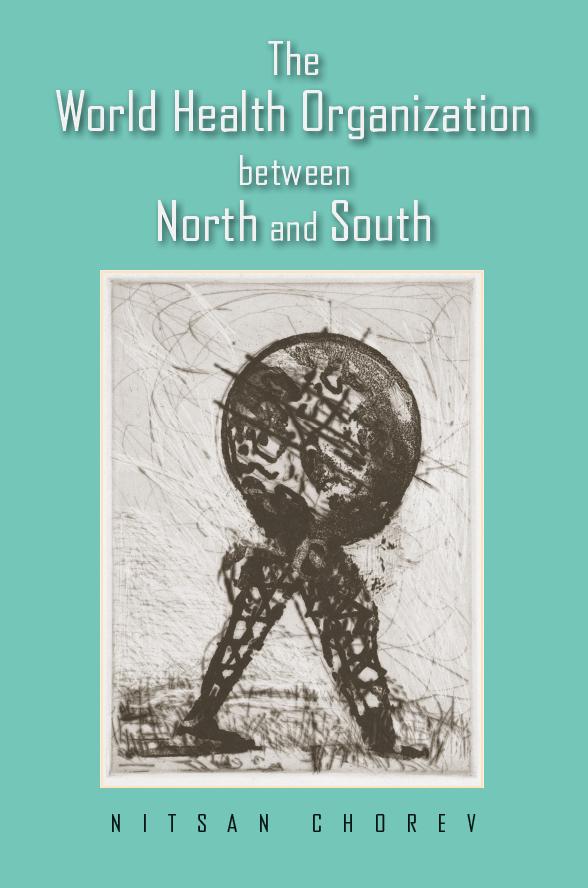
Since 1948, the World Health Organization (WHO) has launched numerous programs aimed at improving health conditions around the globe, ranging from efforts to eradicate smallpox to education programs about the health risks of smoking. In setting global health priorities and carrying out initiatives, the WHO bureaucracy has faced the challenge of reconciling the preferences of a small minority of wealthy nations, who fund the organization, with the demands of poorer member countries, who hold the majority of votes. In The World Health Organization between North and South, Nitsan Chorev shows how the WHO bureaucracy has succeeded not only in avoiding having its agenda co-opted by either coalition of member states but also in reaching a consensus that fit the bureaucracy's own principles and interests.
Chorev assesses the response of the WHO bureaucracy to member-state pressure in two particularly contentious moments: when during the 1970s and early 1980s developing countries forcefully called for a more equal international economic order, and when in the 1990s the United States and other wealthy countries demanded international organizations adopt neoliberal economic reforms. In analyzing these two periods, Chorev demonstrates how strategic maneuvering made it possible for a vulnerable bureaucracy to preserve a relatively autonomous agenda, promote a consistent set of values, and protect its interests in the face of challenges from developing and developed countries alike.
Before Memmo my notes were scattered across PDFs. Now a workspace pulls everything into one place — I see exactly what's still left to study.
Memmo's summaries are gold before exams. I don't have to re-read 800 pages two weeks before — just the important parts.
The AI chat has saved me the night before an exam more than once. I just keep asking until I get it — no waiting on a study group to reply.
The quizzes hit exactly what I need to know. Memmo tracks what I get stuck on — so I only practice what's worth it.
Flashcards with spaced repetition are magic. Memmo knows when I'm about to forget something and brings it back.
The AI podcasts are my favorite. I listen on my way to school and get a recap without sitting at a computer.

Handbok i kvalitativa metoder
281 kr

Hållbar utveckling: en introduktion för ingenjörer och andra problemlösare
334 kr

Brymans Samhällsvetenskapliga metoder
390 kr

Projektledning
491 kr

Den orättvisa hälsan: om socioekonomiska skillnader i hälsa och livslängd
326 kr

Vetenskapsteori för nybörjare
196 kr

Organizational Leadership
429 kr

På väg mot läraryrket
172 kr

Det sociala livet i skolan: Socialpsykologiska perspektiv
253 kr

Betygsättningens didaktik
151 kr

Personality
402 kr

Studying Leadership
404 kr

Managing Innovation
477 kr

Introduktion till samhällsvetenskaplig metod
347 kr

The Psychology of Sex and Gender
698 kr

Evidens och kunskap för socialt arbete
207 kr

Introduction to Leadership
605 kr