
Before Memmo my notes were scattered across PDFs. Now a workspace pulls everything into one place — I see exactly what's still left to study.
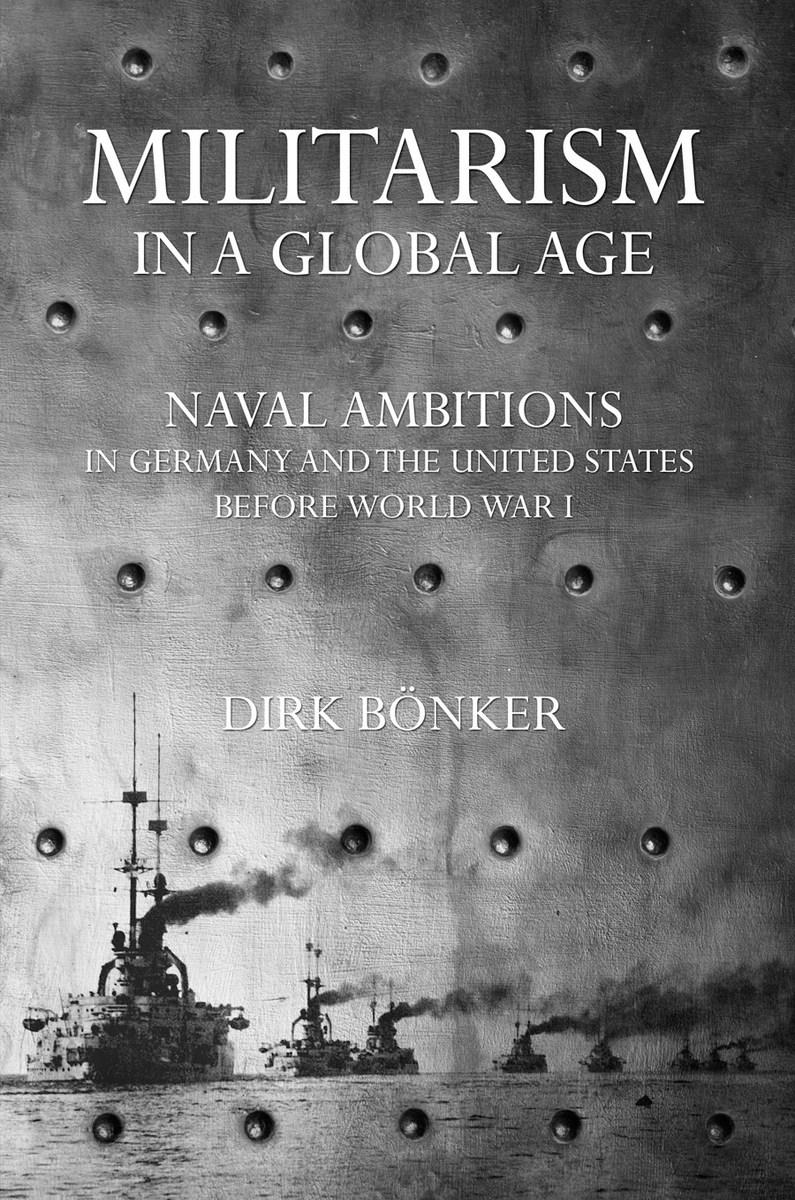
At the turn of the twentieth century, the United States and Germany emerged as the two most rapidly developing industrial nation-states of the Atlantic world. The elites and intelligentsias of both countries staked out claims to dominance in the twentieth century. In Militarism in a Global Age, Dirk Bonker explores the far-reaching ambitions of naval officers before World War I as they advanced navalism, a particular brand of modern militarism that stressed the paramount importance of sea power as a historical determinant. Aspiring to make their own countries into self-reliant world powers in an age of global empire and commerce, officers viewed the causes of the industrial nation, global influence, elite rule, and naval power as inseparable. Characterized by both transnational exchanges and national competition, the new maritime militarism was technocratic in its impulses; its makers cast themselves as members of a professional elite that served the nation with its expert knowledge of maritime and global affairs.
American and German navalist projects differed less in their principal features than in their eventual trajectories. Over time, the pursuits of these projects channeled the two naval elites in different directions as they developed contrasting outlooks on their bids for world power and maritime force. Combining comparative history with transnational and global history, Militarism in a Global Age challenges traditional, exceptionalist assumptions about militarism and national identity in Germany and the United States in its exploration of empire and geopolitics, warfare and military-operational imaginations, state formation and national governance, and expertise and professionalism.
Before Memmo my notes were scattered across PDFs. Now a workspace pulls everything into one place — I see exactly what's still left to study.
Memmo's summaries are gold before exams. I don't have to re-read 800 pages two weeks before — just the important parts.
The AI chat has saved me the night before an exam more than once. I just keep asking until I get it — no waiting on a study group to reply.
The quizzes hit exactly what I need to know. Memmo tracks what I get stuck on — so I only practice what's worth it.
Flashcards with spaced repetition are magic. Memmo knows when I'm about to forget something and brings it back.
The AI podcasts are my favorite. I listen on my way to school and get a recap without sitting at a computer.

Handbok i kvalitativa metoder
281 kr

Hållbar utveckling: en introduktion för ingenjörer och andra problemlösare
334 kr

Brymans Samhällsvetenskapliga metoder
390 kr

Projektledning
491 kr

Den orättvisa hälsan: om socioekonomiska skillnader i hälsa och livslängd
326 kr

Organizational Leadership
429 kr

Vetenskapsteori för nybörjare
196 kr

På väg mot läraryrket
172 kr

Det sociala livet i skolan: Socialpsykologiska perspektiv
253 kr

Betygsättningens didaktik
151 kr

Personality
402 kr

Studying Leadership
404 kr

Managing Innovation
477 kr

Introduktion till samhällsvetenskaplig metod
347 kr

The Psychology of Sex and Gender
698 kr

Evidens och kunskap för socialt arbete
207 kr

Introduction to Leadership
605 kr