
Before Memmo my notes were scattered across PDFs. Now a workspace pulls everything into one place — I see exactly what's still left to study.
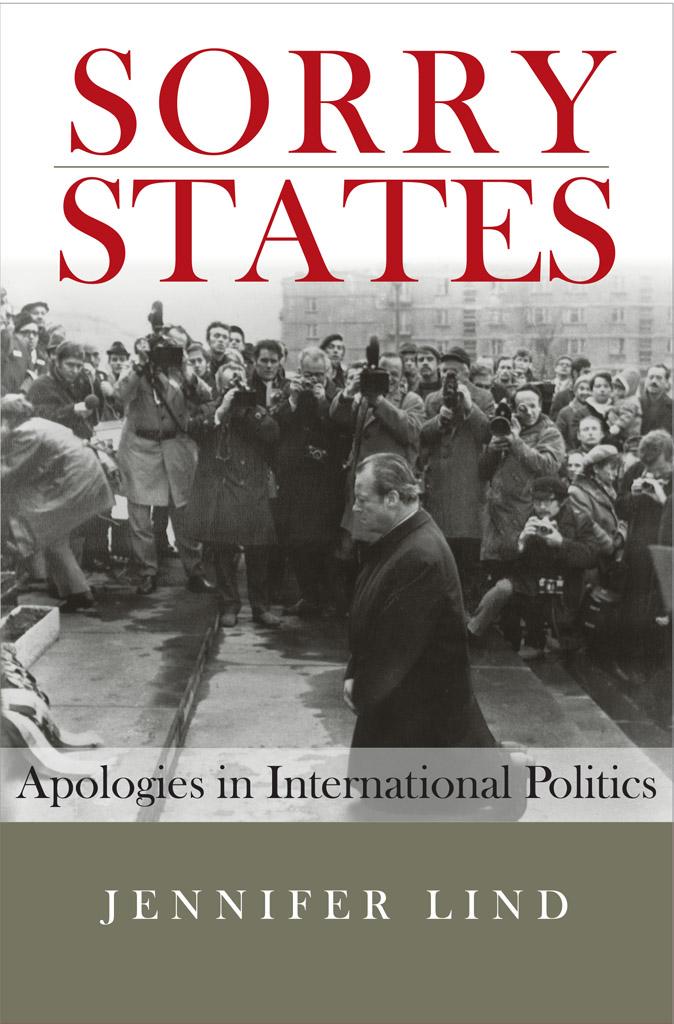
Governments increasingly offer or demand apologies for past human rights abuses, and it is widely believed that such expressions of contrition are necessary to promote reconciliation between former adversaries. The post-World War II experiences of Japan and Germany suggest that international apologies have powerful healing effects when they are offered, and poisonous effects when withheld. West Germany made extensive efforts to atone for wartime crimes-formal apologies, monuments to victims of the Nazis, and candid history textbooks; Bonn successfully reconciled with its wartime enemies. By contrast, Tokyo has made few and unsatisfying apologies and approves school textbooks that whitewash wartime atrocities. Japanese leaders worship at the Yasukuni Shrine, which honors war criminals among Japan's war dead. Relations between Japan and its neighbors remain tense.
Examining the cases of South Korean relations with Japan and of French relations with Germany, Jennifer Lind demonstrates that denials of past atrocities fuel distrust and inhibit international reconciliation. In Sorry States, she argues that a country's acknowledgment of past misdeeds is essential for promoting trust and reconciliation after war. However, Lind challenges the conventional wisdom by showing that many countries have been able to reconcile without much in the way of apologies or reparations. Contrition can be highly controversial and is likely to cause a domestic backlash that alarms—rather than assuages—outside observers. Apologies and other such polarizing gestures are thus unlikely to soothe relations after conflict, Lind finds, and remembrance that is less accusatory-conducted bilaterally or in multilateral settings-holds the most promise for international reconciliation.
Before Memmo my notes were scattered across PDFs. Now a workspace pulls everything into one place — I see exactly what's still left to study.
Memmo's summaries are gold before exams. I don't have to re-read 800 pages two weeks before — just the important parts.
The AI chat has saved me the night before an exam more than once. I just keep asking until I get it — no waiting on a study group to reply.
The quizzes hit exactly what I need to know. Memmo tracks what I get stuck on — so I only practice what's worth it.
Flashcards with spaced repetition are magic. Memmo knows when I'm about to forget something and brings it back.
The AI podcasts are my favorite. I listen on my way to school and get a recap without sitting at a computer.

Handbok i kvalitativa metoder
281 kr

Hållbar utveckling: en introduktion för ingenjörer och andra problemlösare
334 kr

Brymans Samhällsvetenskapliga metoder
390 kr

Projektledning
491 kr

Den orättvisa hälsan: om socioekonomiska skillnader i hälsa och livslängd
326 kr

Vetenskapsteori för nybörjare
196 kr

Organizational Leadership
429 kr

På väg mot läraryrket
172 kr

Det sociala livet i skolan: Socialpsykologiska perspektiv
253 kr

Betygsättningens didaktik
151 kr

Personality
402 kr

Studying Leadership
404 kr

Managing Innovation
477 kr

Introduktion till samhällsvetenskaplig metod
347 kr

The Psychology of Sex and Gender
698 kr

Evidens och kunskap för socialt arbete
207 kr

Introduction to Leadership
605 kr