
Before Memmo my notes were scattered across PDFs. Now a workspace pulls everything into one place — I see exactly what's still left to study.
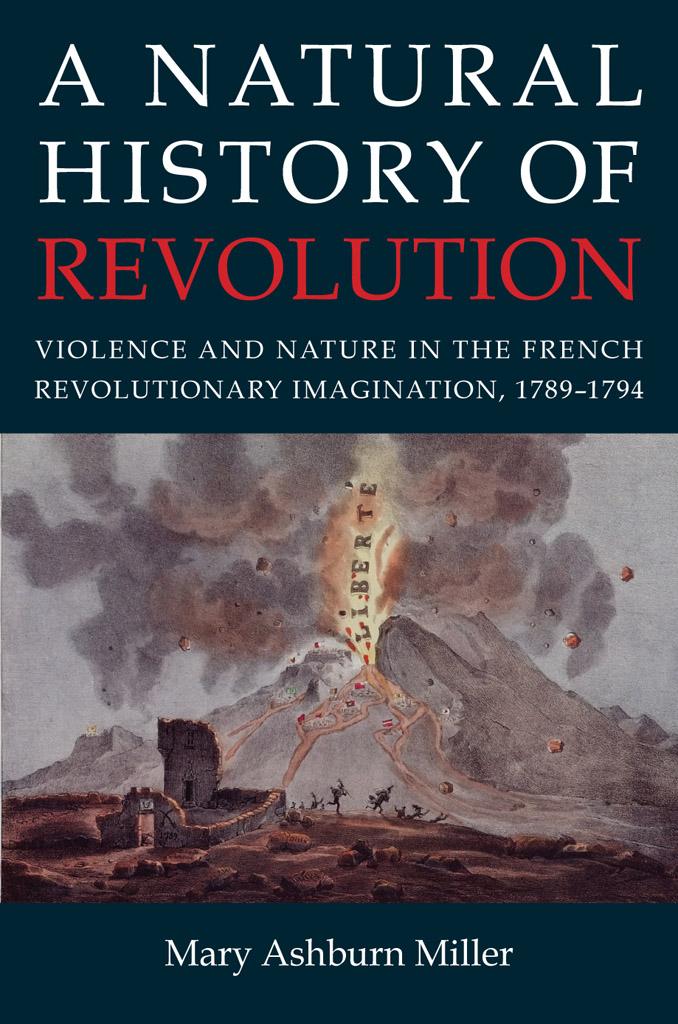
How did the French Revolutionaries explain, justify, and understand the extraordinary violence of their revolution? In debating this question, historians have looked to a variety of eighteenth-century sources, from Rousseau's writings to Old Regime protest tactics. A Natural History of Revolution suggests that it is perhaps on a different shelf of the Enlightenment library that we might find the best clues for understanding the French Revolution: namely, in studies of the natural world. In their attempts to portray and explain the events of the Revolution, political figures, playwrights, and journalists often turned to the book of nature: phenomena such as hailstorms and thunderbolts found their way into festivals, plays, and political speeches as descriptors of revolutionary activity. The particular way that revolutionaries deployed these metaphors drew on notions derived from the natural science of the day about regeneration, purgation, and balance.
In examining a series of tropes (earthquakes, lightning, mountains, swamps, and volcanoes) that played an important role in the public language of the Revolution, A Natural History of Revolution reveals that understanding the use of this natural imagery is fundamental to our understanding of the Terror. Eighteenth-century natural histories had demonstrated that in the natural world, apparent disorder could lead to a restored equilibrium, or even regeneration. This logic drawn from the natural world offered the revolutionaries a crucial means of explaining and justifying revolutionary transformation. If thunder could restore balance in the atmosphere, and if volcanic eruptions could create more fertile soil, then so too could episodes of violence and disruption in the political realm be portrayed as necessary for forging a new order in revolutionary France.
Before Memmo my notes were scattered across PDFs. Now a workspace pulls everything into one place — I see exactly what's still left to study.
Memmo's summaries are gold before exams. I don't have to re-read 800 pages two weeks before — just the important parts.
The AI chat has saved me the night before an exam more than once. I just keep asking until I get it — no waiting on a study group to reply.
The quizzes hit exactly what I need to know. Memmo tracks what I get stuck on — so I only practice what's worth it.
Flashcards with spaced repetition are magic. Memmo knows when I'm about to forget something and brings it back.
The AI podcasts are my favorite. I listen on my way to school and get a recap without sitting at a computer.

Handbok i kvalitativa metoder
281 kr

Hållbar utveckling: en introduktion för ingenjörer och andra problemlösare
334 kr

Brymans Samhällsvetenskapliga metoder
390 kr

Projektledning
491 kr

Den orättvisa hälsan: om socioekonomiska skillnader i hälsa och livslängd
326 kr

Organizational Leadership
429 kr

Vetenskapsteori för nybörjare
196 kr

På väg mot läraryrket
172 kr

Det sociala livet i skolan: Socialpsykologiska perspektiv
253 kr

Betygsättningens didaktik
151 kr

Personality
402 kr

Studying Leadership
404 kr

Managing Innovation
477 kr

Introduktion till samhällsvetenskaplig metod
347 kr

The Psychology of Sex and Gender
698 kr

Evidens och kunskap för socialt arbete
207 kr

Introduction to Leadership
605 kr