
Before Memmo my notes were scattered across PDFs. Now a workspace pulls everything into one place — I see exactly what's still left to study.
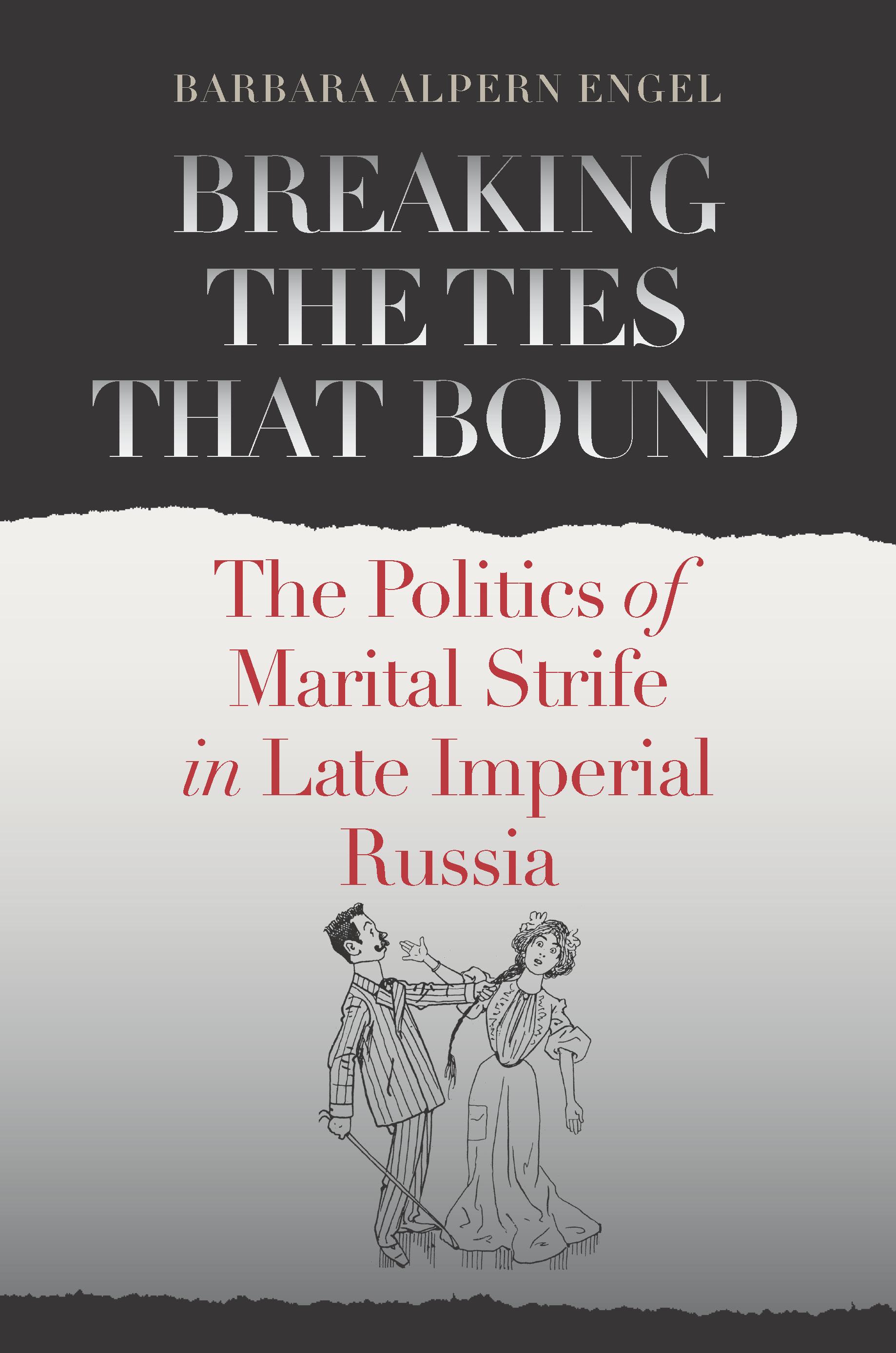
Russia's Great Reforms of 1861 were sweeping social and legal changes that aimed to modernize the country. In the following decades, rapid industrialization and urbanization profoundly transformed Russia's social, economic, and cultural landscape. Barbara Alpern Engel explores the personal, cultural, and political consequences of these dramatic changes, focusing on their impact on intimate life and expectations and the resulting challenges to the traditional, patriarchal family order, the cornerstone of Russia's authoritarian political and religious regime. The widely perceived "marriage crisis" had far-reaching legal, institutional, and political ramifications. In Breaking the Ties That Bound, Engel draws on exceptionally rich archival documentation—in particular, on petitions for marital separation and the materials generated by the ensuing investigations—to explore changing notions of marital relations, domesticity, childrearing, and intimate life among ordinary men and women in imperial Russia.
Engel illustrates with unparalleled vividness the human consequences of the marriage crisis. Her research reveals in myriad ways that the new and more individualistic values of the capitalist marketplace and commercial culture challenged traditional definitions of gender roles and encouraged the self-creation of new social identities. Engel captures the intimate experiences of women and men of the lower and middling classes in their own words, documenting instances not only of physical, mental, and emotional abuse but also of resistance and independence. These changes challenged Russia's rigid political order, forcing a range of state agents, up to and including those who spoke directly in the name of the tsar, to rethink traditional understandings of gender norms and family law. This remarkable social history is thus also a contribution to our understanding of the deepening political crisis of autocracy.
Before Memmo my notes were scattered across PDFs. Now a workspace pulls everything into one place — I see exactly what's still left to study.
Memmo's summaries are gold before exams. I don't have to re-read 800 pages two weeks before — just the important parts.
The AI chat has saved me the night before an exam more than once. I just keep asking until I get it — no waiting on a study group to reply.
The quizzes hit exactly what I need to know. Memmo tracks what I get stuck on — so I only practice what's worth it.
Flashcards with spaced repetition are magic. Memmo knows when I'm about to forget something and brings it back.
The AI podcasts are my favorite. I listen on my way to school and get a recap without sitting at a computer.

Handbok i kvalitativa metoder
281 kr

Hållbar utveckling: en introduktion för ingenjörer och andra problemlösare
334 kr

Brymans Samhällsvetenskapliga metoder
390 kr

Projektledning
491 kr

Den orättvisa hälsan: om socioekonomiska skillnader i hälsa och livslängd
326 kr

Organizational Leadership
429 kr

Vetenskapsteori för nybörjare
196 kr

På väg mot läraryrket
172 kr

Det sociala livet i skolan: Socialpsykologiska perspektiv
253 kr

Betygsättningens didaktik
151 kr

Personality
402 kr

Studying Leadership
404 kr

Managing Innovation
477 kr

Introduktion till samhällsvetenskaplig metod
347 kr

The Psychology of Sex and Gender
698 kr

Evidens och kunskap för socialt arbete
207 kr

Introduction to Leadership
605 kr