
Before Memmo my notes were scattered across PDFs. Now a workspace pulls everything into one place — I see exactly what's still left to study.
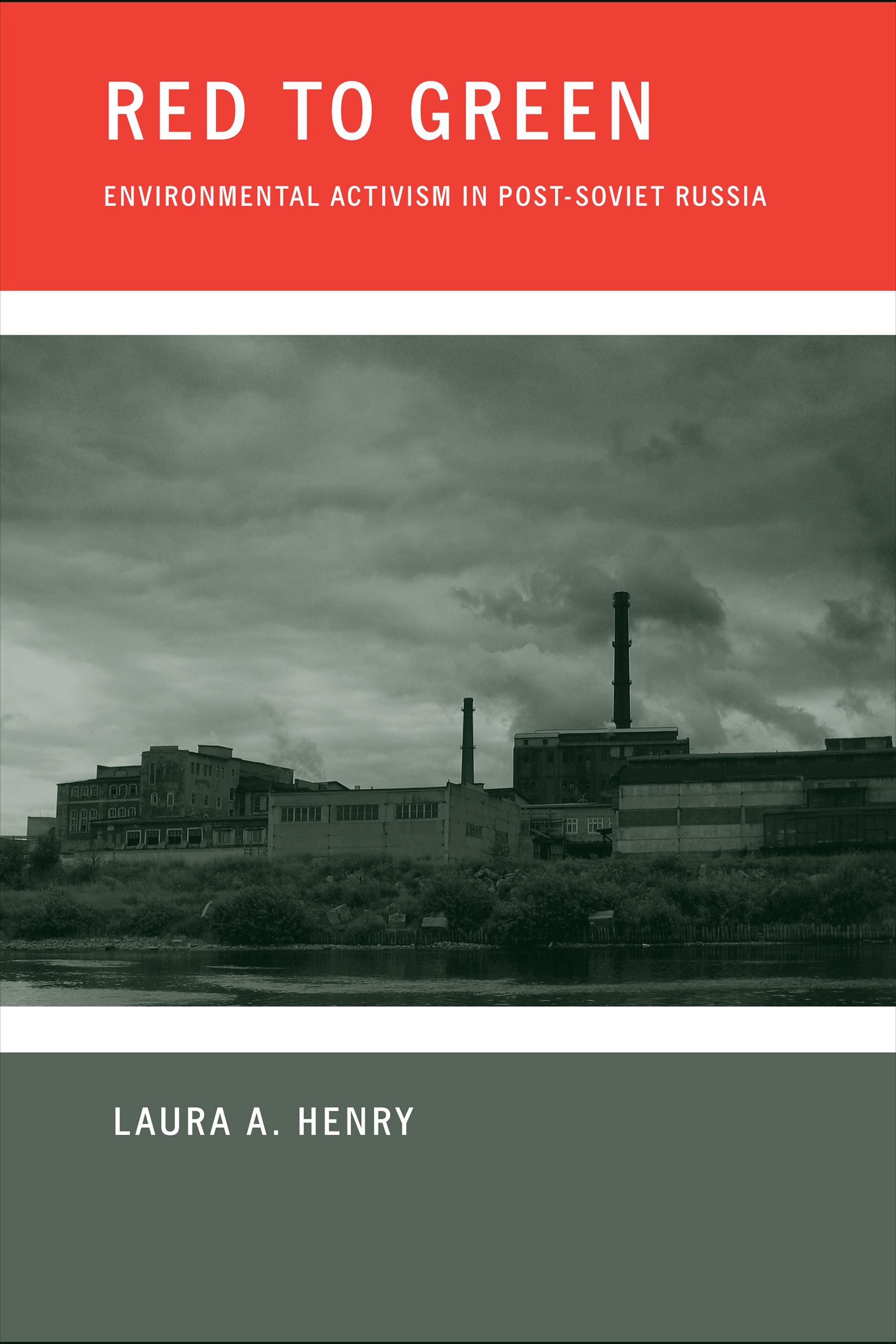
Environmental activism in contemporary Russia exemplifies both the promise and the challenge facing grassroots politics in the post-Soviet period. In the late Soviet period, Russia's environmental movement was one of the country's most dynamic and effective forms of social activism, and it appeared well positioned to influence the direction and practice of post-Soviet politics. At present, however, activists scattered across Russia face severe obstacles to promoting green issues that range from wildlife protection and nuclear safety to environmental education.
Based on fifteen months of fieldwork in five regions of Russia, from the European west to Siberia and the Far East, Red to Green goes beyond familiar debates about the strength and weakness of civil society in Russia to identify the contradictory trends that determine the political influence of grassroots movements. In an organizational analysis of popular mobilization that addresses the continuing role of the Soviet legacy, the influence of transnational actors, and the relevance of social mobilization theory to the Russian case, Laura Henry details what grassroots organizations in Russia actually do, how they use the limited economic and political opportunities that are available to them, and when they are able to influence policy and political practice.
Drawing on her in-depth interviews with activists, Henry illustrates how green organizations have pursued their goals by "recycling" Soviet-era norms, institutions, and networks and using them in combination with transnational ideas, resources, and partnerships. Ultimately, Henry shows that the limited variety of organizations that activists have constructed within post-Soviet Russia's green movement serve as a "fossil record" of the environmentalists' innovations, failures, and compromises. Her research suggests new ways to understand grassroots politics throughout the postcommunist region and in other postauthoritarian contexts.
Before Memmo my notes were scattered across PDFs. Now a workspace pulls everything into one place — I see exactly what's still left to study.
Memmo's summaries are gold before exams. I don't have to re-read 800 pages two weeks before — just the important parts.
The AI chat has saved me the night before an exam more than once. I just keep asking until I get it — no waiting on a study group to reply.
The quizzes hit exactly what I need to know. Memmo tracks what I get stuck on — so I only practice what's worth it.
Flashcards with spaced repetition are magic. Memmo knows when I'm about to forget something and brings it back.
The AI podcasts are my favorite. I listen on my way to school and get a recap without sitting at a computer.

Handbok i kvalitativa metoder
281 kr

Hållbar utveckling: en introduktion för ingenjörer och andra problemlösare
334 kr

Brymans Samhällsvetenskapliga metoder
390 kr

Projektledning
491 kr

Den orättvisa hälsan: om socioekonomiska skillnader i hälsa och livslängd
326 kr

Organizational Leadership
429 kr

Vetenskapsteori för nybörjare
196 kr

På väg mot läraryrket
172 kr

Det sociala livet i skolan: Socialpsykologiska perspektiv
253 kr

Betygsättningens didaktik
151 kr

Personality
402 kr

Studying Leadership
404 kr

Managing Innovation
477 kr

Introduktion till samhällsvetenskaplig metod
347 kr

The Psychology of Sex and Gender
698 kr

Evidens och kunskap för socialt arbete
207 kr

Introduction to Leadership
605 kr