
Before Memmo my notes were scattered across PDFs. Now a workspace pulls everything into one place — I see exactly what's still left to study.
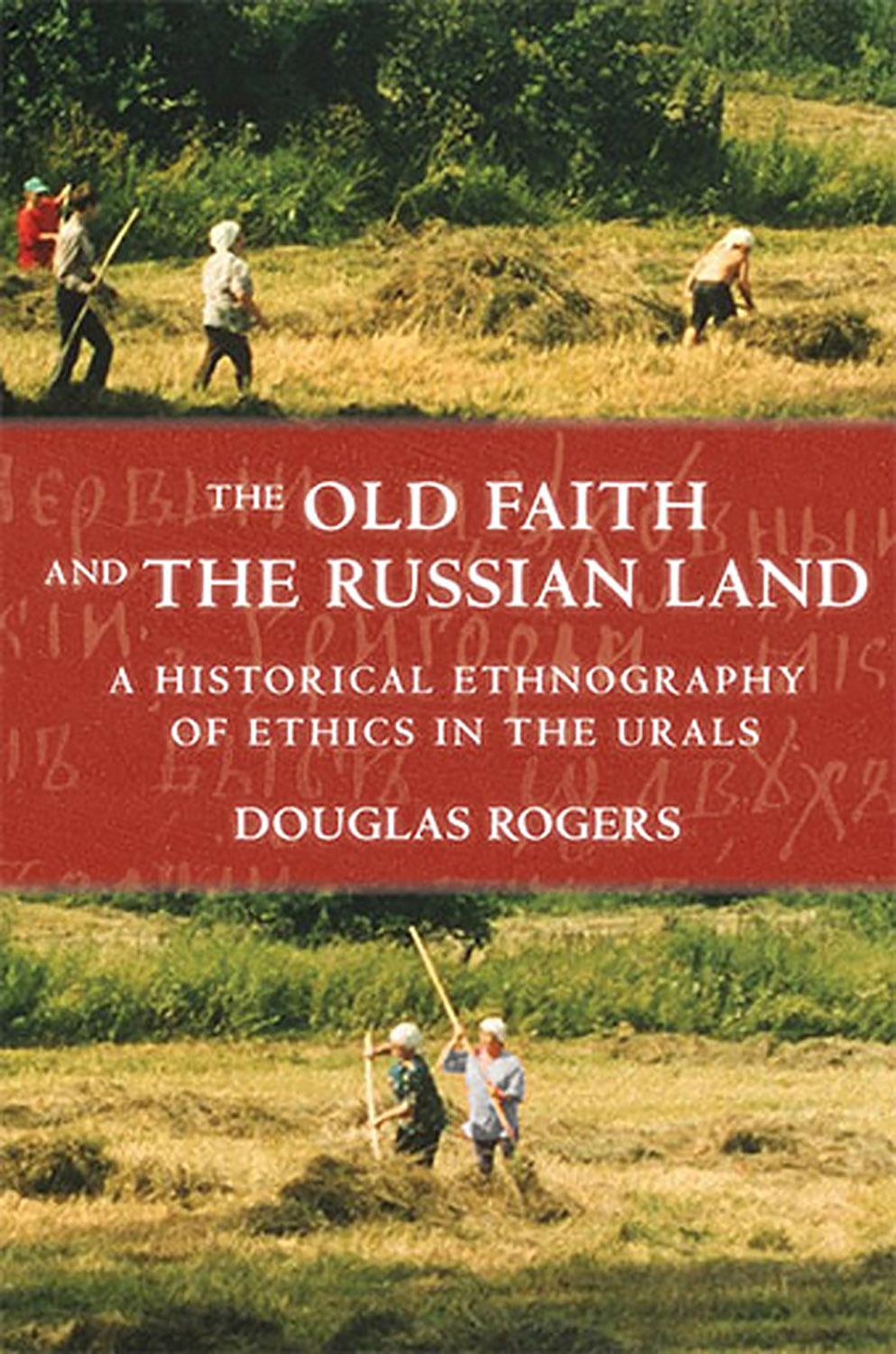
The Old Faith and the Russian Land is a historical ethnography that charts the ebbs and flows of ethical practice in a small Russian town over three centuries. The town of Sepych was settled in the late seventeenth century by religious dissenters who fled to the forests of the Urals to escape a world they believed to be in the clutches of the Antichrist. Factions of Old Believers, as these dissenters later came to be known, have maintained a presence in the town ever since. The townspeople of Sepych have also been serfs, free peasants, collective farmers, and, now, shareholders in a post-Soviet cooperative. Douglas Rogers traces connections between the town and some of the major transformations of Russian history, showing how townspeople have responded to a long series of attempts to change them and their communities: tsarist-era efforts to regulate family life and stamp out Old Belief on the Stroganov estates, Soviet collectivization drives and antireligious campaigns, and the marketization, religious revival, and ongoing political transformations of post-Soviet times.
Drawing on long-term ethnographic fieldwork and extensive archival and manuscript sources, Rogers argues that religious, political, and economic practice are overlapping arenas in which the people of Sepych have striven to be ethical—in relation to labor and money, food and drink, prayers and rituals, religious books and manuscripts, and the surrounding material landscape. He tracks the ways in which ethical sensibilities—about work and prayer, hierarchy and inequality, gender and generation—have shifted and recombined over time. Rogers concludes that certain expectations about how to be an ethical person have continued to orient townspeople in Sepych over the course of nearly three centuries for specific, identifiable, and often unexpected reasons. Throughout, he demonstrates what a historical and ethnographic study of ethics might look like and uses this approach to ask new questions of Russian, Soviet, and post-Soviet history.
Before Memmo my notes were scattered across PDFs. Now a workspace pulls everything into one place — I see exactly what's still left to study.
Memmo's summaries are gold before exams. I don't have to re-read 800 pages two weeks before — just the important parts.
The AI chat has saved me the night before an exam more than once. I just keep asking until I get it — no waiting on a study group to reply.
The quizzes hit exactly what I need to know. Memmo tracks what I get stuck on — so I only practice what's worth it.
Flashcards with spaced repetition are magic. Memmo knows when I'm about to forget something and brings it back.
The AI podcasts are my favorite. I listen on my way to school and get a recap without sitting at a computer.

Handbok i kvalitativa metoder
281 kr

Hållbar utveckling: en introduktion för ingenjörer och andra problemlösare
334 kr

Brymans Samhällsvetenskapliga metoder
390 kr

Projektledning
491 kr

Den orättvisa hälsan: om socioekonomiska skillnader i hälsa och livslängd
326 kr

Vetenskapsteori för nybörjare
196 kr

Organizational Leadership
429 kr

På väg mot läraryrket
172 kr

Det sociala livet i skolan: Socialpsykologiska perspektiv
253 kr

Betygsättningens didaktik
151 kr

Personality
402 kr

Studying Leadership
404 kr

Managing Innovation
477 kr

Introduktion till samhällsvetenskaplig metod
347 kr

The Psychology of Sex and Gender
698 kr

Evidens och kunskap för socialt arbete
207 kr

Introduction to Leadership
605 kr