
Before Memmo my notes were scattered across PDFs. Now a workspace pulls everything into one place — I see exactly what's still left to study.
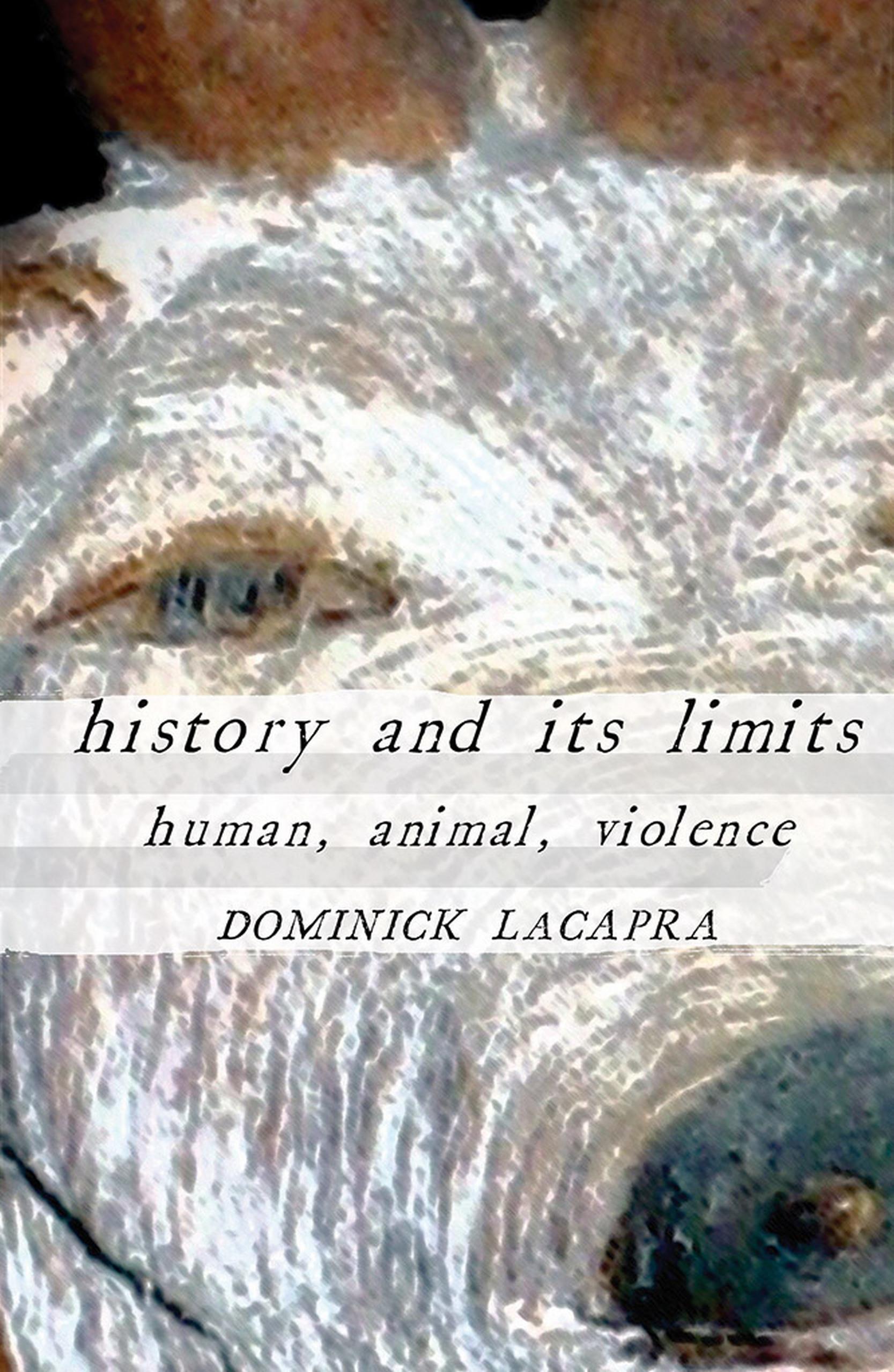
Dominick LaCapra's History and Its Limits articulates the relations among intellectual history, cultural history, and critical theory, examining the recent rise of "Practice Theory" and probing the limitations of prevalent forms of humanism. LaCapra focuses on the problem of understanding extreme cases, specifically events and experiences involving violence and victimization. He asks how historians treat and are simultaneously implicated in the traumatic processes they attempt to represent. In addressing these questions, he also investigates violence's impact on various types of writing and establishes a distinctive role for critical theory in the face of an insufficiently discriminating aesthetic of the sublime (often unreflectively amalgamated with the uncanny).
In History and Its Limits, LaCapra inquires into the related phenomenon of a turn to the "postsecular," even the messianic or the miraculous, in recent theoretical discussions of extreme events by such prominent figures as Giorgio Agamben, Eric L. Santner, and Slavoj Zizek. In a related vein, he discusses Martin Heidegger's evocative, if not enchanting, understanding of "The Origin of the Work of Art." LaCapra subjects to critical scrutiny the sometimes internally divided way in which violence has been valorized in sacrificial, regenerative, or redemptive terms by a series of important modern intellectuals on both the far right and the far left, including Georges Sorel, the early Walter Benjamin, Georges Bataille, Frantz Fanon, and Ernst Jünger.
Violence and victimization are prominent in the relation between the human and the animal. LaCapra questions prevalent anthropocentrism (evident even in theorists of the "posthuman") and the long-standing quest for a decisive criterion separating or dividing the human from the animal. LaCapra regards this attempt to fix the difference as misguided and potentially dangerous because it renders insufficiently problematic the manner in which humans treat other animals and interact with the environment. In raising the issue of desirable transformations in modernity, History and Its Limits examines the legitimacy of normative limits necessary for life in common and explores the disconcerting role of transgressive initiatives beyond limits (including limits blocking the recognition that humans are themselves animals).
Before Memmo my notes were scattered across PDFs. Now a workspace pulls everything into one place — I see exactly what's still left to study.
Memmo's summaries are gold before exams. I don't have to re-read 800 pages two weeks before — just the important parts.
The AI chat has saved me the night before an exam more than once. I just keep asking until I get it — no waiting on a study group to reply.
The quizzes hit exactly what I need to know. Memmo tracks what I get stuck on — so I only practice what's worth it.
Flashcards with spaced repetition are magic. Memmo knows when I'm about to forget something and brings it back.
The AI podcasts are my favorite. I listen on my way to school and get a recap without sitting at a computer.

Handbok i kvalitativa metoder
281 kr

Hållbar utveckling: en introduktion för ingenjörer och andra problemlösare
334 kr

Brymans Samhällsvetenskapliga metoder
390 kr

Projektledning
491 kr

Den orättvisa hälsan: om socioekonomiska skillnader i hälsa och livslängd
326 kr

Vetenskapsteori för nybörjare
196 kr

Organizational Leadership
429 kr

På väg mot läraryrket
172 kr

Det sociala livet i skolan: Socialpsykologiska perspektiv
253 kr

Betygsättningens didaktik
151 kr

Personality
402 kr

Studying Leadership
404 kr

Managing Innovation
477 kr

Introduktion till samhällsvetenskaplig metod
347 kr

The Psychology of Sex and Gender
698 kr

Evidens och kunskap för socialt arbete
207 kr

Introduction to Leadership
605 kr