
Before Memmo my notes were scattered across PDFs. Now a workspace pulls everything into one place — I see exactly what's still left to study.
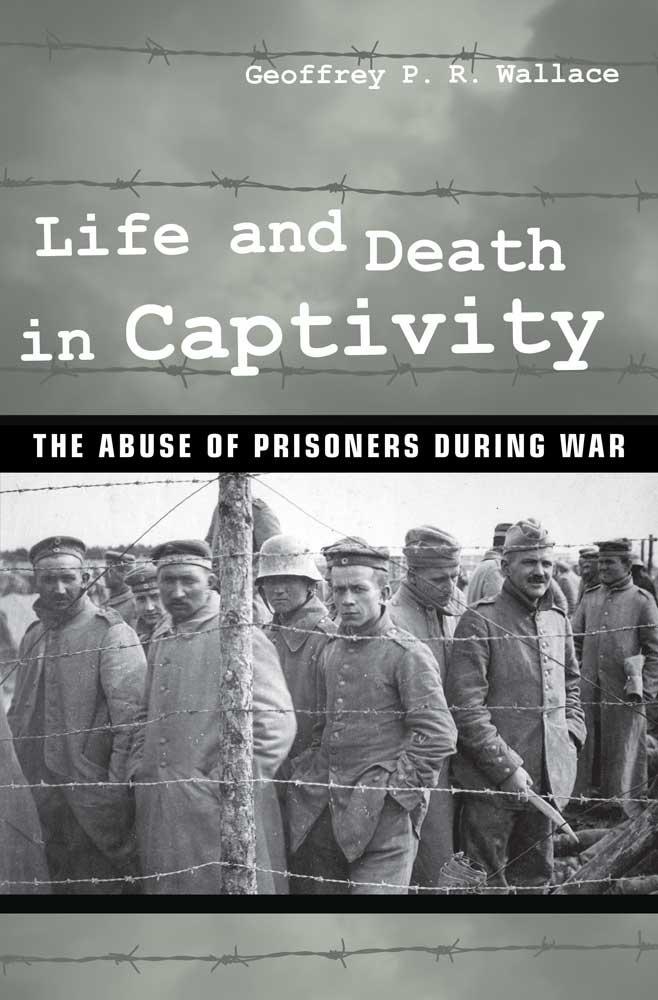
Why are prisoners horribly abused in some wars but humanely cared for in others? In Life and Death in Captivity, Geoffrey P. R. Wallace explores the profound differences in the ways captives are treated during armed conflict. Wallace focuses on the dual role played by regime type and the nature of the conflict in determining whether captor states opt for brutality or mercy. Integrating original data on prisoner treatment during the last century of interstate warfare with in-depth historical cases, Wallace demonstrates how domestic constraints and external incentives shape the fate of captured enemy combatants. Both Russia and Japan, for example, treated prisoners very differently in the Russo-Japanese War of 1904–5 and in World War II; the behavior of any given country is liable to vary from conflict to conflict and even within the same war.
Democracies may be more likely to treat their captives humanely, yet this benevolence is rooted less in liberal norms of nonviolence than in concerns over public accountability. When such concerns are weak or absent, democracies are equally capable of brutal conduct toward captives. In conflicts that devolve into protracted fighting, belligerents may inflict violence against captives as part of a strategy of exploitation and to coerce the adversary into submission. When territory is at stake, prisoners are further at risk of cruel treatment as their captors seek to permanently remove the most threatening sources of opposition within newly conquered lands. By combining a rigorous strategic approach with a wide-ranging body of evidence, Wallace offers a vital contribution to the study of political violence and wartime conduct.
Before Memmo my notes were scattered across PDFs. Now a workspace pulls everything into one place — I see exactly what's still left to study.
Memmo's summaries are gold before exams. I don't have to re-read 800 pages two weeks before — just the important parts.
The AI chat has saved me the night before an exam more than once. I just keep asking until I get it — no waiting on a study group to reply.
The quizzes hit exactly what I need to know. Memmo tracks what I get stuck on — so I only practice what's worth it.
Flashcards with spaced repetition are magic. Memmo knows when I'm about to forget something and brings it back.
The AI podcasts are my favorite. I listen on my way to school and get a recap without sitting at a computer.

Handbok i kvalitativa metoder
281 kr

Hållbar utveckling: en introduktion för ingenjörer och andra problemlösare
334 kr

Brymans Samhällsvetenskapliga metoder
390 kr

Projektledning
491 kr

Den orättvisa hälsan: om socioekonomiska skillnader i hälsa och livslängd
326 kr

Vetenskapsteori för nybörjare
196 kr

Organizational Leadership
429 kr

På väg mot läraryrket
172 kr

Det sociala livet i skolan: Socialpsykologiska perspektiv
253 kr

Betygsättningens didaktik
151 kr

Personality
402 kr

Studying Leadership
404 kr

Managing Innovation
477 kr

Introduktion till samhällsvetenskaplig metod
347 kr

The Psychology of Sex and Gender
698 kr

Evidens och kunskap för socialt arbete
207 kr

Introduction to Leadership
605 kr