
Before Memmo my notes were scattered across PDFs. Now a workspace pulls everything into one place — I see exactly what's still left to study.
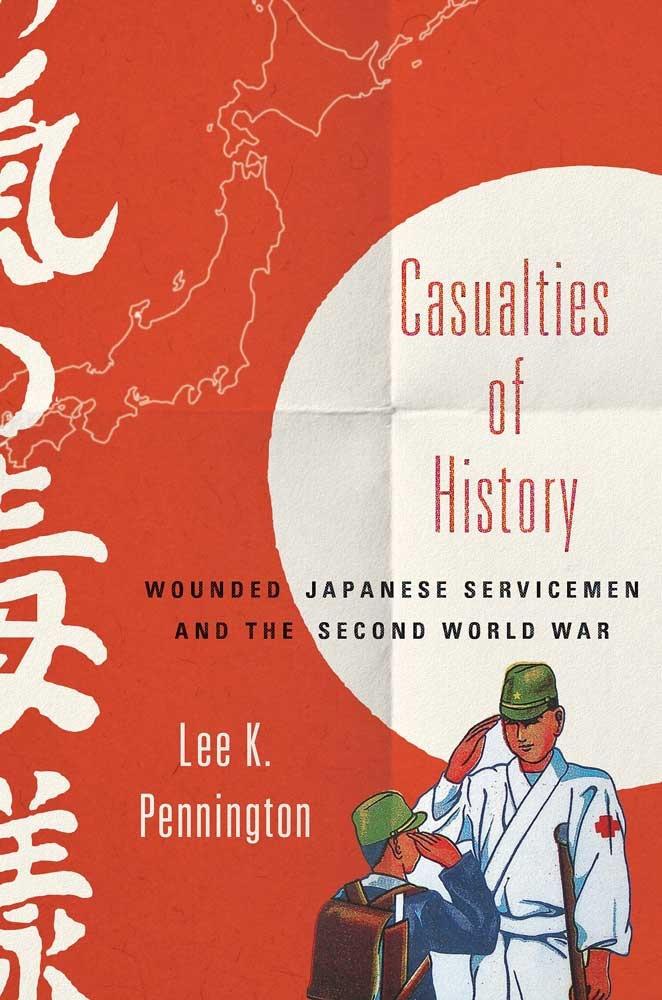
Thousands of wounded servicemen returned to Japan following the escalation of Japanese military aggression in China in July 1937. Tens of thousands would return home after Japan widened its war effort in 1939. In Casualties of History, Lee K. Pennington relates for the first time in English the experiences of Japanese wounded soldiers and disabled veterans of Japan's "long" Second World War (from 1937 to 1945). He maps the terrain of Japanese military medicine and social welfare practices and establishes the similarities and differences that existed between Japanese and Western physical, occupational, and spiritual rehabilitation programs for war-wounded servicemen, notably amputees. To exemplify the experience of these wounded soldiers, Pennington draws on the memoir of a Japanese soldier who describes in gripping detail his medical evacuation from a casualty clearing station on the front lines and his medical convalescence at a military hospital.
Moving from the hospital to the home front, Pennington documents the prominent roles adopted by disabled veterans in mobilization campaigns designed to rally popular support for the war effort. Following Japan's defeat in August 1945, U.S. Occupation forces dismantled the social welfare services designed specifically for disabled military personnel, which brought profound consequences for veterans and their dependents. Using a wide array of written and visual historical sources, Pennington tells a tale that until now has been neglected by English-language scholarship on Japanese society. He gives us a uniquely Japanese version of the all-too-familiar story of soldiers who return home to find their lives (and bodies) remade by combat.
Before Memmo my notes were scattered across PDFs. Now a workspace pulls everything into one place — I see exactly what's still left to study.
Memmo's summaries are gold before exams. I don't have to re-read 800 pages two weeks before — just the important parts.
The AI chat has saved me the night before an exam more than once. I just keep asking until I get it — no waiting on a study group to reply.
The quizzes hit exactly what I need to know. Memmo tracks what I get stuck on — so I only practice what's worth it.
Flashcards with spaced repetition are magic. Memmo knows when I'm about to forget something and brings it back.
The AI podcasts are my favorite. I listen on my way to school and get a recap without sitting at a computer.

Handbok i kvalitativa metoder
281 kr

Hållbar utveckling: en introduktion för ingenjörer och andra problemlösare
334 kr

Brymans Samhällsvetenskapliga metoder
390 kr

Projektledning
491 kr

Den orättvisa hälsan: om socioekonomiska skillnader i hälsa och livslängd
326 kr

Vetenskapsteori för nybörjare
196 kr

Organizational Leadership
429 kr

På väg mot läraryrket
172 kr

Det sociala livet i skolan: Socialpsykologiska perspektiv
253 kr

Betygsättningens didaktik
151 kr

Personality
402 kr

Studying Leadership
404 kr

Managing Innovation
477 kr

Introduktion till samhällsvetenskaplig metod
347 kr

The Psychology of Sex and Gender
698 kr

Evidens och kunskap för socialt arbete
207 kr

Introduction to Leadership
605 kr