
Before Memmo my notes were scattered across PDFs. Now a workspace pulls everything into one place — I see exactly what's still left to study.
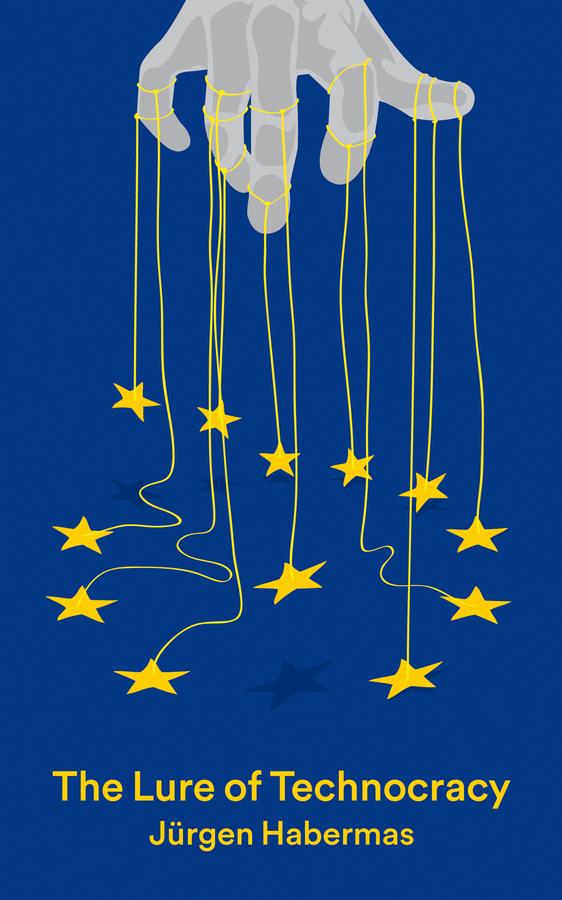
Over the past 25 years, Jürgen Habermas has presented what is arguably the most coherent and wide-ranging defence of the project of European unification and of parallel developments towards a politically integrated world society. In developing his key concepts of the transnationalisation of democracy and the constitutionalisation of international law, Habermas offers the main players in the struggles over the fate of the European Union (the politicians, the political parties and the publics of the member states) a way out of the current economic and political crisis, should they choose to follow it.
In the title essay Habermas addresses the challenges and threats posed by the current banking and public debt crisis in the Eurozone for European unification. He is harshly critical of the incrementalist, technocratic policies advocated by the German government in particular, which are being imposed at the expense of the populations of the economically weaker, crisis-stricken countries and are undermining solidarity between the member states. He argues that only if the technocratic approach is replaced by a deeper democratization of the European institutions can the European Union fulfil its promise as a model for how rampant market capitalism can once again be brought under political control at the supranational level.
This volume reflects the impressive scope of Habermas?s recent writings on European themes, including theoretical treatments of the complex legal and political issues at stake, interventions on current affairs, and reflections on the lives and works of major European philosophers and intellectuals. Together the essays provide eloquent testimony to the enduring relevance of the work of one of the most influential and far-sighted public intellectuals in the world today, and are essential reading for all philosophers, legal scholars and social scientists interested in European and global issues.
Before Memmo my notes were scattered across PDFs. Now a workspace pulls everything into one place — I see exactly what's still left to study.
Memmo's summaries are gold before exams. I don't have to re-read 800 pages two weeks before — just the important parts.
The AI chat has saved me the night before an exam more than once. I just keep asking until I get it — no waiting on a study group to reply.
The quizzes hit exactly what I need to know. Memmo tracks what I get stuck on — so I only practice what's worth it.
Flashcards with spaced repetition are magic. Memmo knows when I'm about to forget something and brings it back.
The AI podcasts are my favorite. I listen on my way to school and get a recap without sitting at a computer.

Handbok i kvalitativa metoder
281 kr

Hållbar utveckling: en introduktion för ingenjörer och andra problemlösare
334 kr

Brymans Samhällsvetenskapliga metoder
390 kr

Projektledning
491 kr

Den orättvisa hälsan: om socioekonomiska skillnader i hälsa och livslängd
326 kr

Vetenskapsteori för nybörjare
196 kr

Organizational Leadership
429 kr

På väg mot läraryrket
172 kr

Det sociala livet i skolan: Socialpsykologiska perspektiv
253 kr

Betygsättningens didaktik
151 kr

Personality
402 kr

Studying Leadership
404 kr

Managing Innovation
477 kr

Introduktion till samhällsvetenskaplig metod
347 kr

The Psychology of Sex and Gender
698 kr

Evidens och kunskap för socialt arbete
207 kr

Introduction to Leadership
605 kr