
Before Memmo my notes were scattered across PDFs. Now a workspace pulls everything into one place — I see exactly what's still left to study.
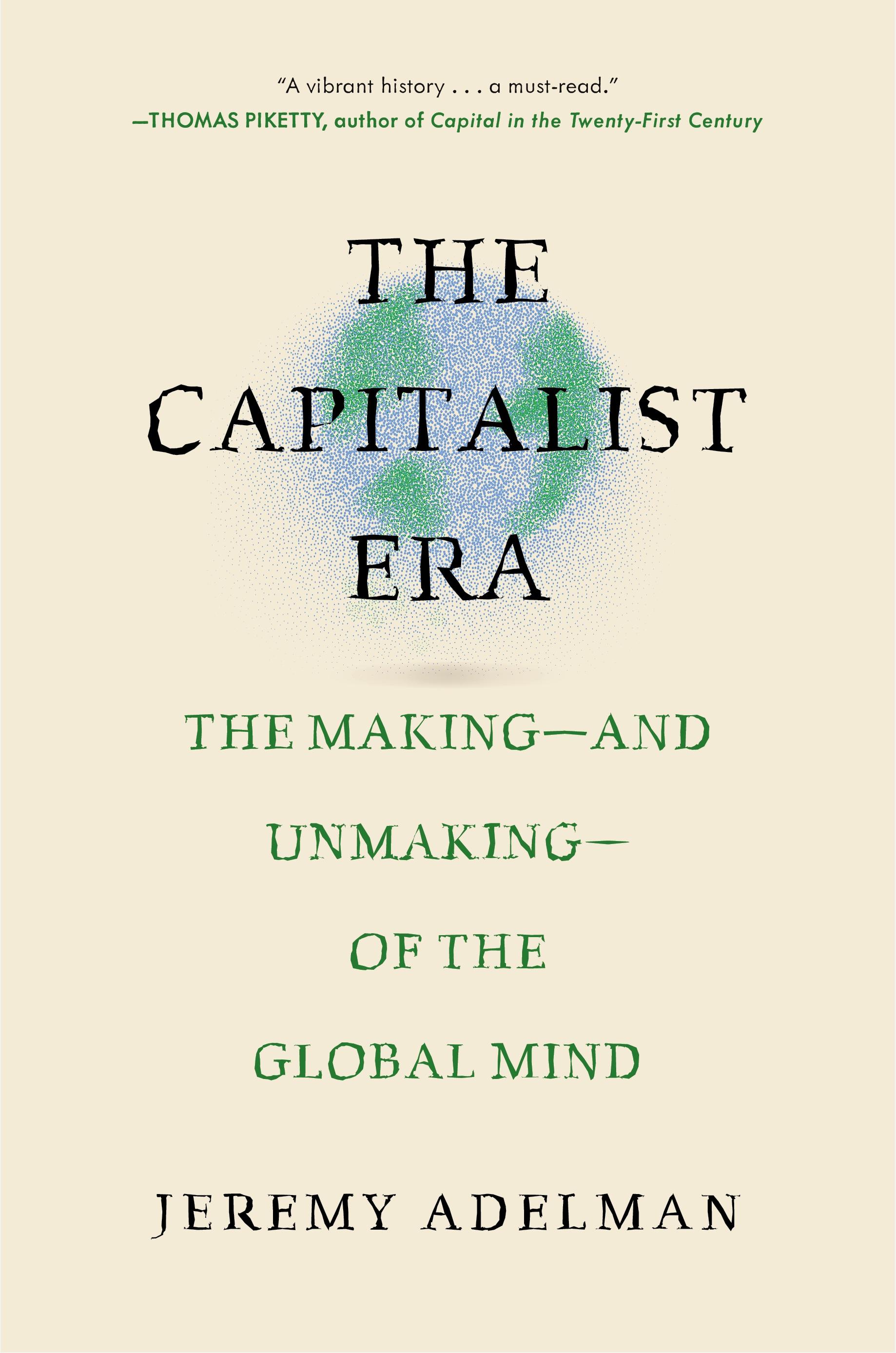
A sweeping history of global interdependence from the late eighteenth to the twenty-first century—with essential lessons for today
In The Capitalist Era, leading global historian Jeremy Adelman puts the world’s current unwinding in much-needed historical perspective. Combining political, economic, intellectual, and environmental history, the book tells the epic story of the forces that, since the late eighteenth century, have transformed the world into a single but fractured survival unit that is integrated by exchange and flow, yet divided by suspicion and fear. It is a story of hopes for universal peace, panic over planetary destruction, and debates, policies, and media that have shaped how people view one another across distances and borders.
The Capitalist Era chronicles how global integration compelled people from different parts of the world to reckon with what it means to need each other for resources or recognition without knowing one another, and it describes the confrontations and experiments that have shaped the world through periods of integration and disintegration over the past two centuries. As trade, migration, and new technologies have brought people closer together in search of wealth, security, and survival, there have been huge clashes and collisions involving writers and soldiers, biologists and economists, photographers and missionaries.
Strangers—are they partners or rivals, liberators or oppressors? As The Capitalist Era shows, this is perhaps the biggest question hanging over our past, present, and future. To understand our world, it is essential to grasp how strangers have regarded each other as they decided to welcome or exclude, to respect or dominate. Rejecting simplistic determinisms about inevitable peace or inescapable doom, this book illuminates the brittle unity of today’s world.
Before Memmo my notes were scattered across PDFs. Now a workspace pulls everything into one place — I see exactly what's still left to study.
Memmo's summaries are gold before exams. I don't have to re-read 800 pages two weeks before — just the important parts.
The AI chat has saved me the night before an exam more than once. I just keep asking until I get it — no waiting on a study group to reply.
The quizzes hit exactly what I need to know. Memmo tracks what I get stuck on — so I only practice what's worth it.
Flashcards with spaced repetition are magic. Memmo knows when I'm about to forget something and brings it back.
The AI podcasts are my favorite. I listen on my way to school and get a recap without sitting at a computer.

Handbok i kvalitativa metoder
281 kr

Hållbar utveckling: en introduktion för ingenjörer och andra problemlösare
334 kr

Brymans Samhällsvetenskapliga metoder
390 kr

Projektledning
491 kr

Den orättvisa hälsan: om socioekonomiska skillnader i hälsa och livslängd
326 kr

Organizational Leadership
429 kr

Vetenskapsteori för nybörjare
196 kr

På väg mot läraryrket
172 kr

Det sociala livet i skolan: Socialpsykologiska perspektiv
253 kr

Betygsättningens didaktik
151 kr

Personality
402 kr

Studying Leadership
404 kr

Managing Innovation
477 kr

Introduktion till samhällsvetenskaplig metod
347 kr

The Psychology of Sex and Gender
698 kr

Evidens och kunskap för socialt arbete
207 kr

Introduction to Leadership
605 kr