
Before Memmo my notes were scattered across PDFs. Now a workspace pulls everything into one place — I see exactly what's still left to study.
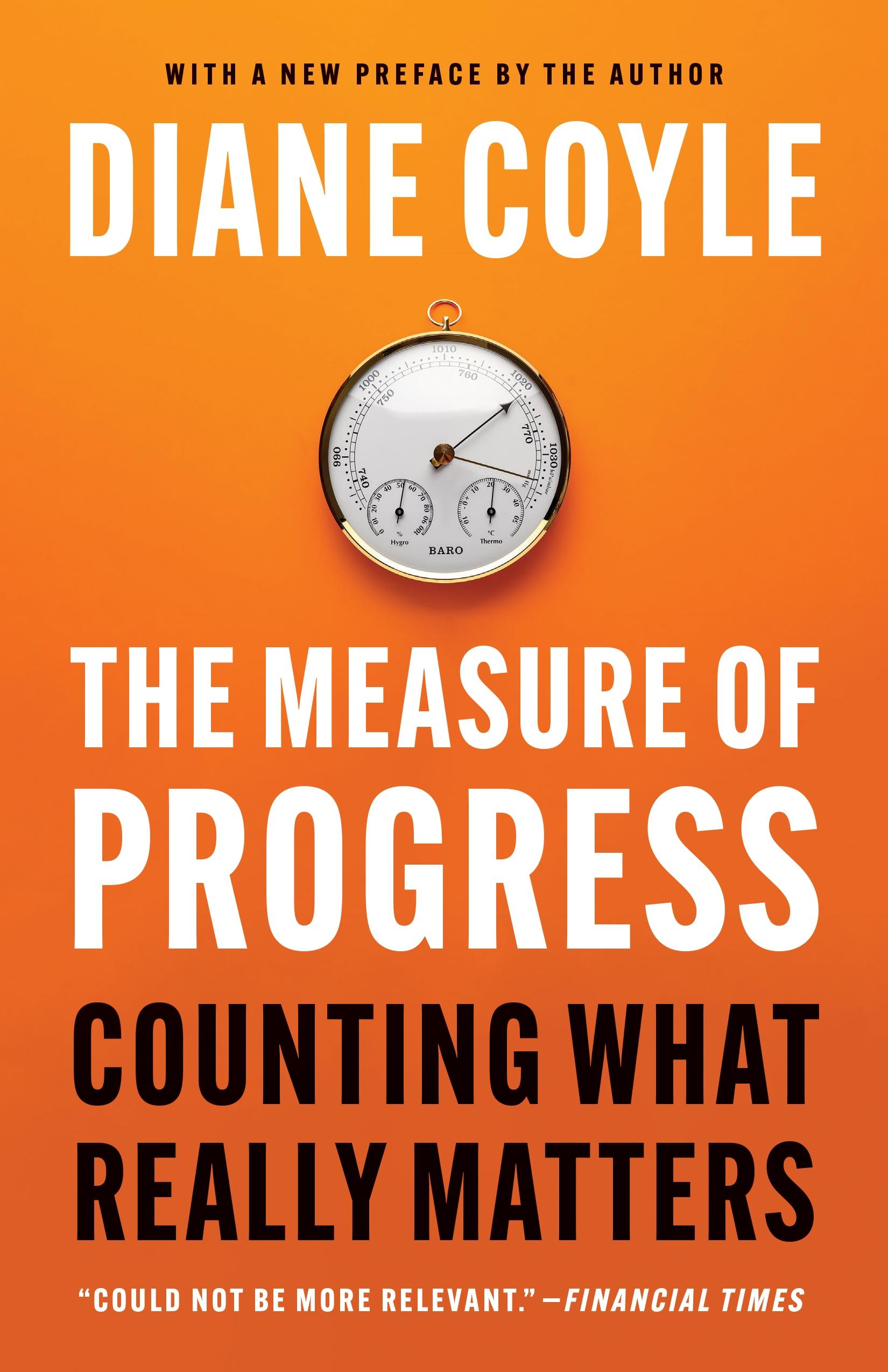
Why do we use eighty-year-old metrics to understand today’s economy?
The ways that statisticians and governments measure the economy were developed in the 1940s, when the urgent economic problems were entirely different from those of today. In The Measure of Progress, Diane Coyle argues that the framework underpinning today’s economic statistics is so outdated that it functions as a distorting lens, or even a set of blinkers. When policymakers rely on such an antiquated conceptual tool, how can they measure, understand, and respond with any precision to what is happening in today’s digital economy? Coyle makes the case for a new framework, one that takes into consideration current economic realities.
Coyle explains why economic statistics matter. They are essential for guiding better economic policies; they involve questions of freedom, justice, life, and death. Governments use statistics that affect people’s lives in ways large and small. The metrics for economic growth were developed when a lack of physical rather than natural capital was the binding constraint on growth, intangible value was less important, and the pressing economic policy challenge was managing demand rather than supply. Today’s challenges are different. Growth in living standards in rich economies has slowed, despite remarkable innovation, particularly in digital technologies. As a result, politics is contentious and democracy strained.
Coyle argues that to understand the current economy, we need different data collected in a different framework of categories and definitions, and she offers some suggestions about what this would entail. Only with a new approach to measurement will we be able to achieve the right kind of growth for the benefit of all.
Before Memmo my notes were scattered across PDFs. Now a workspace pulls everything into one place — I see exactly what's still left to study.
Memmo's summaries are gold before exams. I don't have to re-read 800 pages two weeks before — just the important parts.
The AI chat has saved me the night before an exam more than once. I just keep asking until I get it — no waiting on a study group to reply.
The quizzes hit exactly what I need to know. Memmo tracks what I get stuck on — so I only practice what's worth it.
Flashcards with spaced repetition are magic. Memmo knows when I'm about to forget something and brings it back.
The AI podcasts are my favorite. I listen on my way to school and get a recap without sitting at a computer.

Handbok i kvalitativa metoder
281 kr

Hållbar utveckling: en introduktion för ingenjörer och andra problemlösare
334 kr

Brymans Samhällsvetenskapliga metoder
390 kr

Projektledning
491 kr

Den orättvisa hälsan: om socioekonomiska skillnader i hälsa och livslängd
326 kr

Organizational Leadership
429 kr

Vetenskapsteori för nybörjare
196 kr

På väg mot läraryrket
172 kr

Det sociala livet i skolan: Socialpsykologiska perspektiv
253 kr

Betygsättningens didaktik
151 kr

Personality
402 kr

Studying Leadership
404 kr

Managing Innovation
477 kr

Introduktion till samhällsvetenskaplig metod
347 kr

The Psychology of Sex and Gender
698 kr

Evidens och kunskap för socialt arbete
207 kr

Introduction to Leadership
605 kr