
Before Memmo my notes were scattered across PDFs. Now a workspace pulls everything into one place — I see exactly what's still left to study.
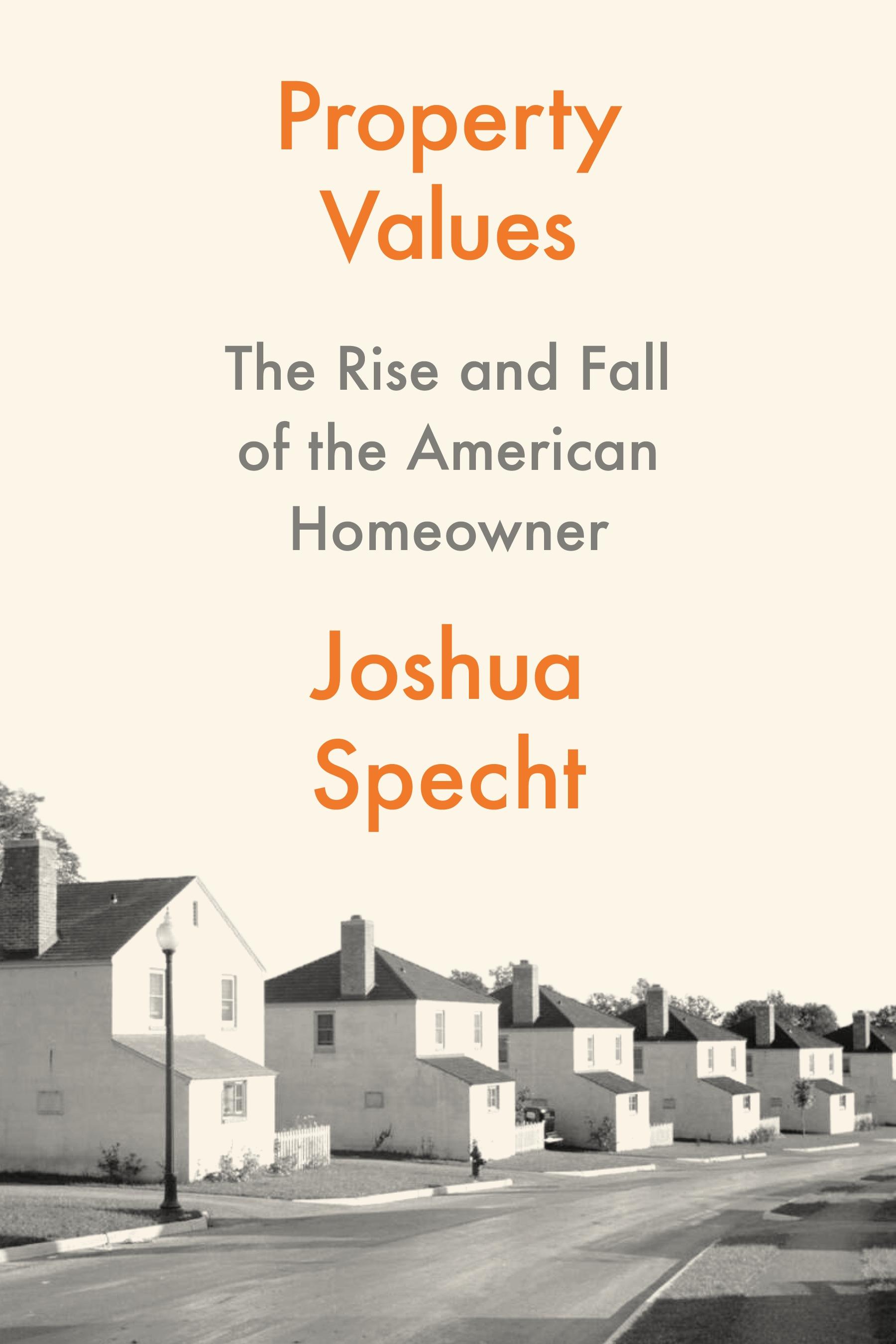
A wide-ranging history of American land ownership, from westward expansion to the suburban housing crisis
From its very beginnings, the United States has defined itself by its relationship to land. Settlers saw the continent as the raw material for building a prosperous life while their leaders viewed it as a means for building a people. In the 1950s, the suburban home became a place for Americans to create a personal utopia of lawns and living rooms, of washing machines and dishwashers. Property Values traces how land and its ownership became inextricably tied to the American ideal of independence—and demonstrates why the Homestead Act and a thirty-year mortgage have far more in common than you think.
In this engaging book, Joshua Specht uncovers the history behind the American conviction that widespread land ownership is a fundamental requirement for a flourishing democratic society. We meet the nineteenth-century settler farmers whose dreams of new social and political forms were built on vast quantities of land taken from native peoples, and the European immigrants who came seeking a better life as land-owning citizens. For FDR, homeownership offered a path out of the depths of the Great Depression. For George W. Bush, it gave people a permanent stake in the American dream. Specht charts how the vision of plenty that first drew homesteaders westward gave way to one of scarcity and exclusion as new neighbors came to be seen as a threat to property values and a system meant to promote ownership put it squarely out of reach for many.
Taking readers from the rent wars of the early 1840s through the financial crisis of the late 2000s, Property Values reveals why housing affordability has posed significant challenges to the nation’s politics and promise since the founding, and why the American story has always been one about land.
Before Memmo my notes were scattered across PDFs. Now a workspace pulls everything into one place — I see exactly what's still left to study.
Memmo's summaries are gold before exams. I don't have to re-read 800 pages two weeks before — just the important parts.
The AI chat has saved me the night before an exam more than once. I just keep asking until I get it — no waiting on a study group to reply.
The quizzes hit exactly what I need to know. Memmo tracks what I get stuck on — so I only practice what's worth it.
Flashcards with spaced repetition are magic. Memmo knows when I'm about to forget something and brings it back.
The AI podcasts are my favorite. I listen on my way to school and get a recap without sitting at a computer.

Handbok i kvalitativa metoder
281 kr

Hållbar utveckling: en introduktion för ingenjörer och andra problemlösare
334 kr

Brymans Samhällsvetenskapliga metoder
390 kr

Projektledning
491 kr

Den orättvisa hälsan: om socioekonomiska skillnader i hälsa och livslängd
326 kr

Vetenskapsteori för nybörjare
196 kr

Organizational Leadership
429 kr

På väg mot läraryrket
172 kr

Det sociala livet i skolan: Socialpsykologiska perspektiv
253 kr

Betygsättningens didaktik
151 kr

Personality
402 kr

Studying Leadership
404 kr

Managing Innovation
477 kr

Introduktion till samhällsvetenskaplig metod
347 kr

The Psychology of Sex and Gender
698 kr

Evidens och kunskap för socialt arbete
207 kr

Introduction to Leadership
605 kr