
Before Memmo my notes were scattered across PDFs. Now a workspace pulls everything into one place — I see exactly what's still left to study.
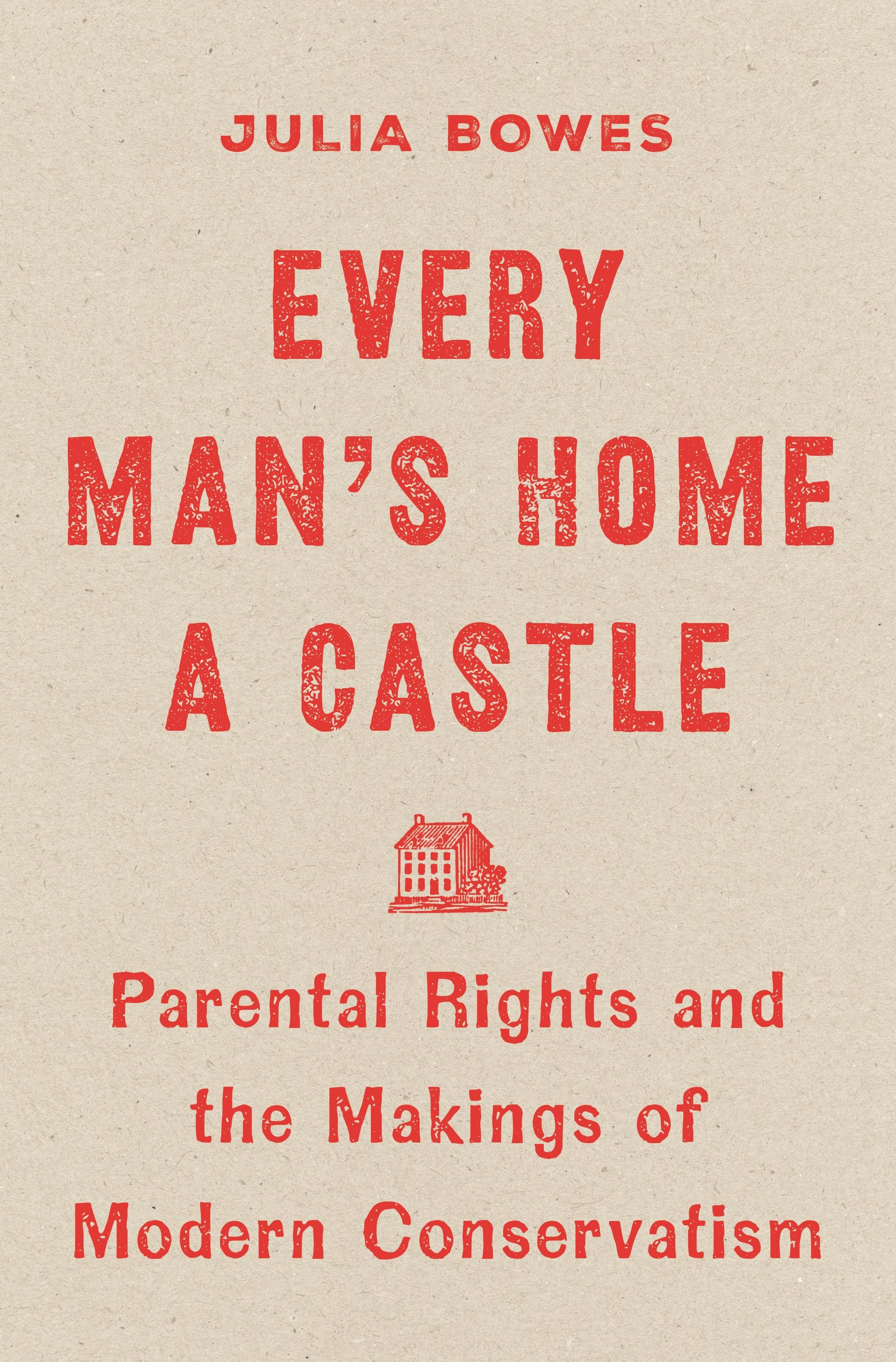
The emergence of parental rights as a conservative movement spurred by the presumed right of white men to govern their homes
“Parental rights” is a rallying cry for today’s American conservatives, signaling opposition to mandatory vaccination and “woke” public school curricula. In Every Man’s Home a Castle, Julia Bowes traces the origins of the modern parental rights movement to the nineteenth century, when the introduction of compulsory schooling laws, child labor regulations, and vaccine requirements provoked a resistance rooted in the presumed right of white men to govern their homes. A wide-ranging coalition—including Irish Catholic immigrants in Illinois, Mormon enclaves in Utah, and Protestant clergy in Virginia—believed that the state had usurped the “natural rights” of parents and “invaded the home.”
Bowes shows how, by the turn of the century, those disparate voices had coalesced into national conservative movements. Anti-vaccinationists, alternative medical practitioners, and parents who opposed compulsory school medical exams joined forces to form the National League for Medical Freedom. Deciding a case brought by conservative Catholic lawyers, the Supreme Court declared parental rights a “fundamental liberty” protected by the Fourteenth Amendment. And the Sentinels of the Republic, a conservative citizen’s lobby, mobilized a campaign to defeat the proposed federal Child Labor Amendment, bringing together pro-family and free-market politics with far-reaching consequences.
Exploring the emergence of parental rights as an antistatist ideology through legal cases, legislative debates, and political movements, Bowes argues that the expansion of state power over children provoked such fierce opposition because the paternal rights of white men—considered the “rights-bearing” individuals of American democracy—were widely viewed as the mark and measure of their independence.
Before Memmo my notes were scattered across PDFs. Now a workspace pulls everything into one place — I see exactly what's still left to study.
Memmo's summaries are gold before exams. I don't have to re-read 800 pages two weeks before — just the important parts.
The AI chat has saved me the night before an exam more than once. I just keep asking until I get it — no waiting on a study group to reply.
The quizzes hit exactly what I need to know. Memmo tracks what I get stuck on — so I only practice what's worth it.
Flashcards with spaced repetition are magic. Memmo knows when I'm about to forget something and brings it back.
The AI podcasts are my favorite. I listen on my way to school and get a recap without sitting at a computer.

Handbok i kvalitativa metoder
281 kr

Hållbar utveckling: en introduktion för ingenjörer och andra problemlösare
334 kr

Brymans Samhällsvetenskapliga metoder
390 kr

Projektledning
491 kr

Den orättvisa hälsan: om socioekonomiska skillnader i hälsa och livslängd
326 kr

Vetenskapsteori för nybörjare
196 kr

Organizational Leadership
429 kr

På väg mot läraryrket
172 kr

Det sociala livet i skolan: Socialpsykologiska perspektiv
253 kr

Betygsättningens didaktik
151 kr

Personality
402 kr

Studying Leadership
404 kr

Managing Innovation
477 kr

Introduktion till samhällsvetenskaplig metod
347 kr

The Psychology of Sex and Gender
698 kr

Evidens och kunskap för socialt arbete
207 kr

Introduction to Leadership
605 kr