
Before Memmo my notes were scattered across PDFs. Now a workspace pulls everything into one place — I see exactly what's still left to study.
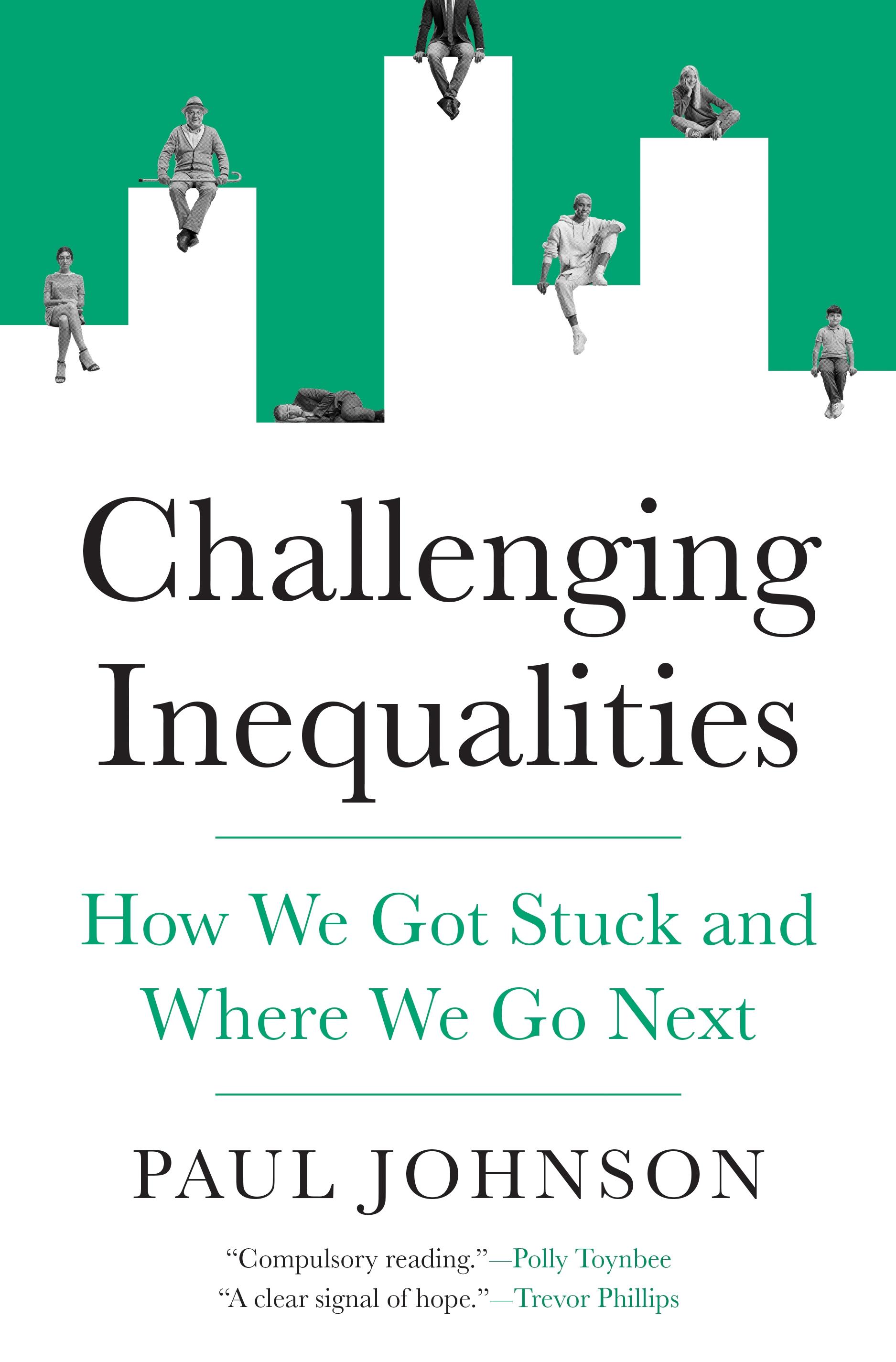
A comprehensive look at inequalities and why they matter
There is a widespread sense throughout the developed world that progress towards a better society has stalled. Many countries, including the UK, have experienced persistent economic stagnation accompanied by declining trust in institutions. Governments are struggling to respond not only to traditional economic problems but also to newer challenges posed by climate change, migration and technological change. Challenging Inequalities connects these conditions to inequality—inequality not just of income and wealth but of health, political participation and opportunity. It not only offers a detailed analysis of the different forms of inequalities but also an in-depth consideration of why inequalities matter, how they have changed and what can, or should, be done about them.
The book explains the enduring effects of early life experiences and education and examines the trends in employment and earnings over recent decades. It argues that economic stagnation since the financial crises of 2008–2009 has exposed inequalities originating in the 1980s. Not only have incomes stagnated, but so has progress towards reducing health inequalities and dealing with inequalities across gender, ethnicity, geography, age and educational level. The combination of earnings inequality and economic stagnation has led to the growing importance of wealth, the increasing concentration of economic power in an older generation and a decline in social mobility. Economic inequalities have also resulted directly in dangerous differences between regions and in political power across groups.
The need to address inequality has never been more urgent. Challenging Inequalities offers a road map for how we have arrived at such a perilous spot—and how we can change course to achieve better outcomes for all.
Before Memmo my notes were scattered across PDFs. Now a workspace pulls everything into one place — I see exactly what's still left to study.
Memmo's summaries are gold before exams. I don't have to re-read 800 pages two weeks before — just the important parts.
The AI chat has saved me the night before an exam more than once. I just keep asking until I get it — no waiting on a study group to reply.
The quizzes hit exactly what I need to know. Memmo tracks what I get stuck on — so I only practice what's worth it.
Flashcards with spaced repetition are magic. Memmo knows when I'm about to forget something and brings it back.
The AI podcasts are my favorite. I listen on my way to school and get a recap without sitting at a computer.

Handbok i kvalitativa metoder
281 kr

Hållbar utveckling: en introduktion för ingenjörer och andra problemlösare
334 kr

Brymans Samhällsvetenskapliga metoder
390 kr

Projektledning
491 kr

Den orättvisa hälsan: om socioekonomiska skillnader i hälsa och livslängd
326 kr

Vetenskapsteori för nybörjare
196 kr

Organizational Leadership
429 kr

På väg mot läraryrket
172 kr

Det sociala livet i skolan: Socialpsykologiska perspektiv
253 kr

Betygsättningens didaktik
151 kr

Personality
402 kr

Studying Leadership
404 kr

Managing Innovation
477 kr

Introduktion till samhällsvetenskaplig metod
347 kr

The Psychology of Sex and Gender
698 kr

Evidens och kunskap för socialt arbete
207 kr

Introduction to Leadership
605 kr