
Before Memmo my notes were scattered across PDFs. Now a workspace pulls everything into one place — I see exactly what's still left to study.
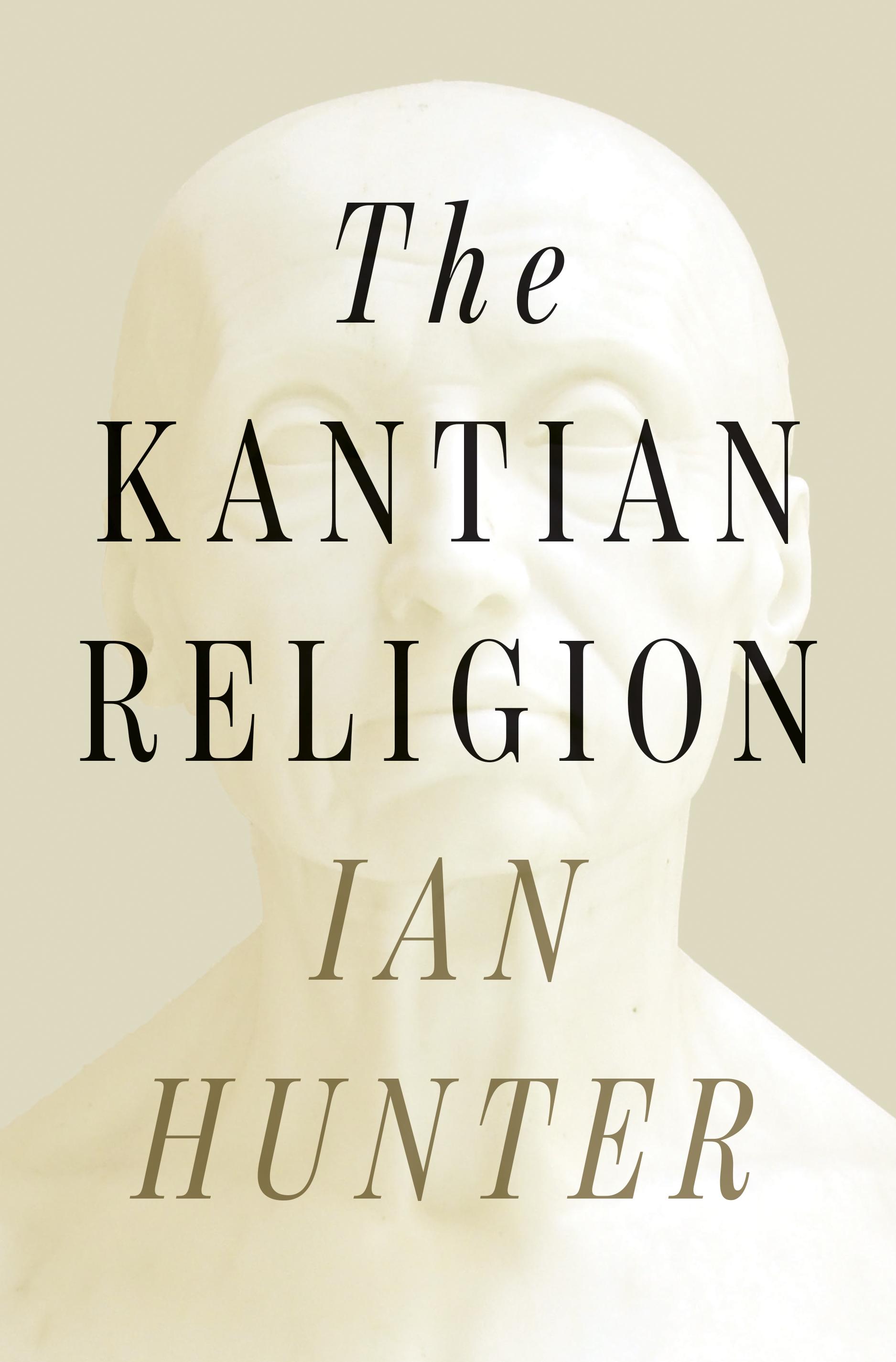
A historical inquiry into Kantian philosophy as a form of philosophical religion
Kantian philosophy is typically viewed as providing a universal theory of knowledge and morality based on timeless principles retrieved from the human mind. In The Kantian Religion, Ian Hunter offers a starkly different account. Hunter contends that Kant’s arguments were assembled from purely historical sources and served as ascetic devices for crafting the towering self of the Kantian philosopher; they were exercises in intellectual self-clarification and moral transformation undertaken by a cohort of the philosophically educated in search of spiritual clarity and moral purity. These “solemn rites of the mind” were seen as heir and rival to the regenerative resources and cultural importance of the Christian religion, and Kantianism was characterized as a philosophical religion.
Hunter describes the ways that elite spiritual athletes performed a series of philosophically strenuous “acts of the self on the self” through Kant’s intellectual exercises. When Kantianism emerged as an insurgent cultural movement in the 1780s, it offered young academics training to be clergy and teachers a philosophy that was powerful enough to supplant Christian spirituality and to subordinate humanist scholarship and the natural sciences to philosophical self-reflection. For Kant and his followers, the religious disposition of Kantian philosophy came solely from the immanent practice of the philosophy itself. As a rival to conventional religion and as an academic interloper, Kantian philosophy unleashed a wave of conflicts in Germany’s ecclesiastical and scholarly cultures. Although recent Kant commentary typically views Kantianism as intrinsically secular and scientific, Hunter argues provocatively that Kant’s contemporaries viewed his philosophy as an extra-ecclesiastical path to spiritual refinement and moral regeneration.
Before Memmo my notes were scattered across PDFs. Now a workspace pulls everything into one place — I see exactly what's still left to study.
Memmo's summaries are gold before exams. I don't have to re-read 800 pages two weeks before — just the important parts.
The AI chat has saved me the night before an exam more than once. I just keep asking until I get it — no waiting on a study group to reply.
The quizzes hit exactly what I need to know. Memmo tracks what I get stuck on — so I only practice what's worth it.
Flashcards with spaced repetition are magic. Memmo knows when I'm about to forget something and brings it back.
The AI podcasts are my favorite. I listen on my way to school and get a recap without sitting at a computer.

Handbok i kvalitativa metoder
281 kr

Hållbar utveckling: en introduktion för ingenjörer och andra problemlösare
334 kr

Brymans Samhällsvetenskapliga metoder
390 kr

Projektledning
491 kr

Den orättvisa hälsan: om socioekonomiska skillnader i hälsa och livslängd
326 kr

Organizational Leadership
429 kr

Vetenskapsteori för nybörjare
196 kr

På väg mot läraryrket
172 kr

Det sociala livet i skolan: Socialpsykologiska perspektiv
253 kr

Betygsättningens didaktik
151 kr

Personality
402 kr

Studying Leadership
404 kr

Managing Innovation
477 kr

Introduktion till samhällsvetenskaplig metod
347 kr

The Psychology of Sex and Gender
698 kr

Evidens och kunskap för socialt arbete
207 kr

Introduction to Leadership
605 kr