
Before Memmo my notes were scattered across PDFs. Now a workspace pulls everything into one place — I see exactly what's still left to study.
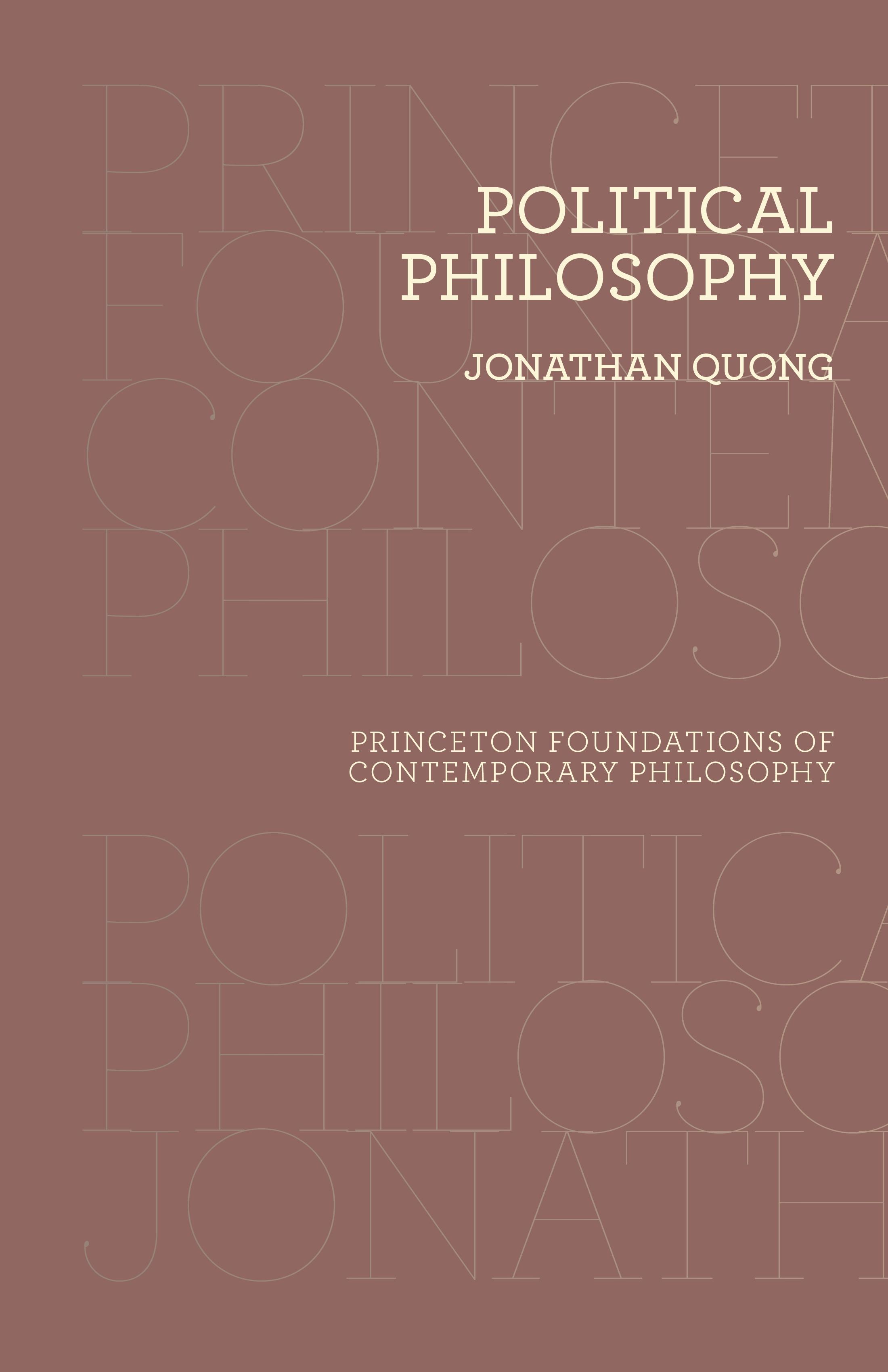
How to understand a long-standing puzzle in political philosophy: the relationship between justice and legitimacy
Can laws be unjust and yet remain, in some sense, morally legitimate? In this book, Jonathan Quong considers central issues in political philosophy through the lens of this single question. He explores and evaluates recent influential work on this topic and then proposes a novel approach of his own. The puzzle at the heart of his account is the phenomenon of legitimate injustice—laws and policies that are substantively unjust yet may be legitimately imposed by government officials. How can such laws be legitimate if, as some have argued, justice is the first virtue of social institutions?
Quong analyzes the work of those who deny that injustice committed by states can be legitimate simply by virtue of its democratic or procedural pedigree; the Kantian account of legitimate institutions and justice; instrumental approaches to political legitimacy; and the recent wave of work in democratic theory focused on its egalitarian character. Arguing that these analyses do not offer an adequate solution to the puzzle and that there are compelling reasons to revise or reject them, Quong lays out his view and explains the implications for more general theories of political morality. He argues that we can explain legitimate injustice by appeal to distributive justice. If political disagreement is inevitable, then unjust legislation is largely unavoidable; it constitutes a burden that must be distributed according to just principles. Quong’s novel and illuminating framework offers a unique introduction to crucial questions in political philosophy.
Before Memmo my notes were scattered across PDFs. Now a workspace pulls everything into one place — I see exactly what's still left to study.
Memmo's summaries are gold before exams. I don't have to re-read 800 pages two weeks before — just the important parts.
The AI chat has saved me the night before an exam more than once. I just keep asking until I get it — no waiting on a study group to reply.
The quizzes hit exactly what I need to know. Memmo tracks what I get stuck on — so I only practice what's worth it.
Flashcards with spaced repetition are magic. Memmo knows when I'm about to forget something and brings it back.
The AI podcasts are my favorite. I listen on my way to school and get a recap without sitting at a computer.

Handbok i kvalitativa metoder
281 kr

Hållbar utveckling: en introduktion för ingenjörer och andra problemlösare
334 kr

Brymans Samhällsvetenskapliga metoder
390 kr

Projektledning
491 kr

Den orättvisa hälsan: om socioekonomiska skillnader i hälsa och livslängd
326 kr

Vetenskapsteori för nybörjare
196 kr

Organizational Leadership
429 kr

På väg mot läraryrket
172 kr

Det sociala livet i skolan: Socialpsykologiska perspektiv
253 kr

Betygsättningens didaktik
151 kr

Personality
402 kr

Studying Leadership
404 kr

Managing Innovation
477 kr

Introduktion till samhällsvetenskaplig metod
347 kr

The Psychology of Sex and Gender
698 kr

Evidens och kunskap för socialt arbete
207 kr

Introduction to Leadership
605 kr