
Before Memmo my notes were scattered across PDFs. Now a workspace pulls everything into one place — I see exactly what's still left to study.
A comprehensive intellectual history of the idea of the West
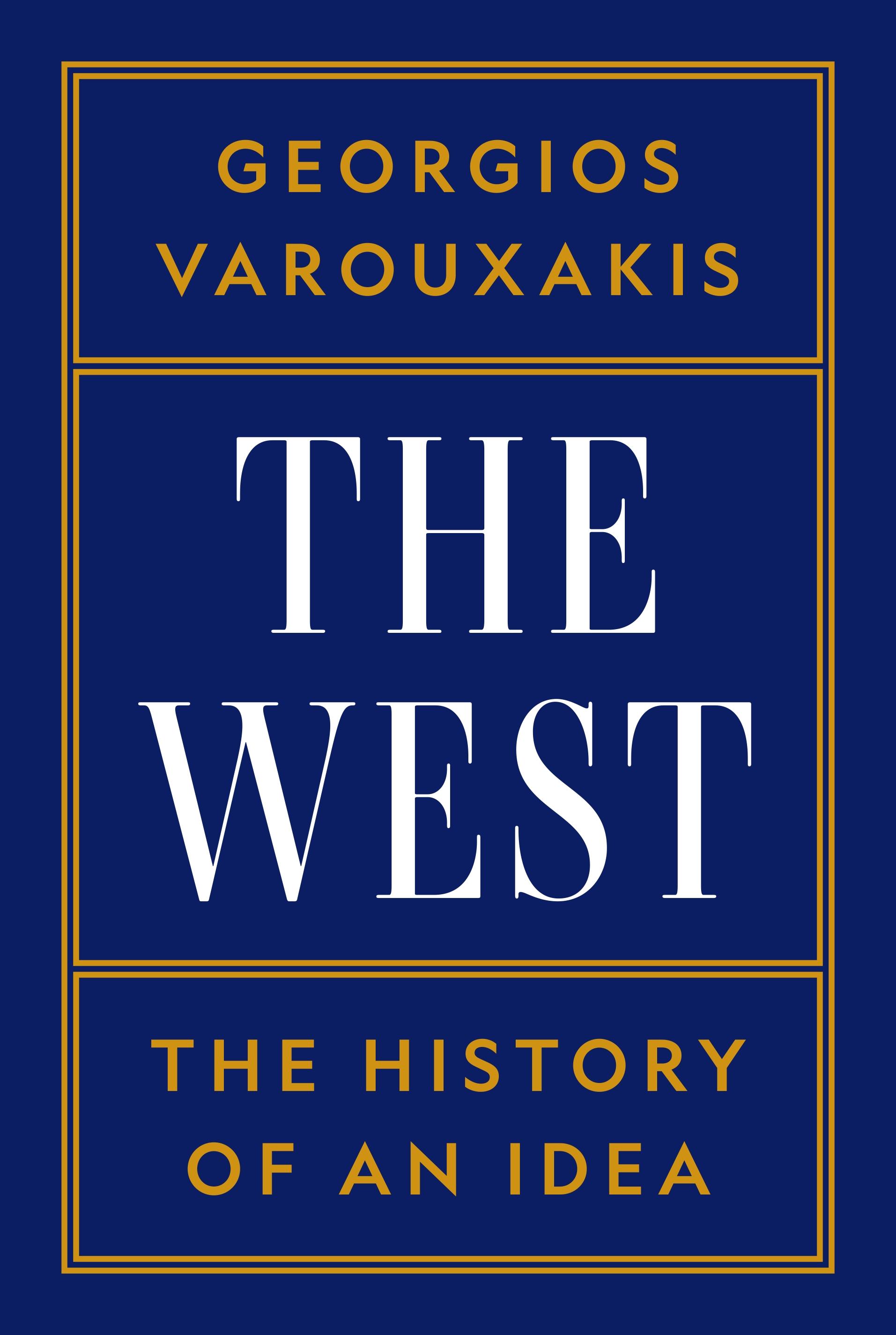
How did “the West” come to be used as a collective self-designation signaling political and cultural commonality? When did “Westerners” begin to refer to themselves in this way? Was the idea handed down from the ancient Greeks, or coined by nineteenth-century imperialists? Neither, writes Georgios Varouxakis in The West, his ambitious and fascinating genealogy of the idea. “The West” was not used by Plato, Cicero, Locke, Mill, or other canonized figures of what we today call the Western tradition. It was not first wielded by empire-builders. It gradually emerged as of the 1820s and was then, Varouxakis shows, decisively promoted in the 1840s by the French philosopher Auguste Comte (whose political project, incidentally, was passionately anti-imperialist). The need for the use of the term “the West” emerged to avoid the confusing or unwanted consequences of the use of “Europe.” The two overlapped, but were not identical, with the West used to differentiate from certain “others” within Europe as well as to include the Americas.
After examining the origins, Varouxakis traces the many and often astonishingly surprising changes in the ways in which the West has been understood, and the different intentions and consequences related to a series of these contested definitions. While other theories of the West consider only particular aspects of the concept and its history (if only in order to take aim at its reputation), Varouxakis’s analysis offers a comprehensive account that reaches to the present day, exploring the multiplicity of current, and not least, prospective future meanings. He concludes with an examination of how, since 2022, definitions and membership of the West have been reworked to consider Ukraine, as the evolution and redefinitions continue.
Before Memmo my notes were scattered across PDFs. Now a workspace pulls everything into one place — I see exactly what's still left to study.
Memmo's summaries are gold before exams. I don't have to re-read 800 pages two weeks before — just the important parts.
The AI chat has saved me the night before an exam more than once. I just keep asking until I get it — no waiting on a study group to reply.
The quizzes hit exactly what I need to know. Memmo tracks what I get stuck on — so I only practice what's worth it.
Flashcards with spaced repetition are magic. Memmo knows when I'm about to forget something and brings it back.
The AI podcasts are my favorite. I listen on my way to school and get a recap without sitting at a computer.

Handbok i kvalitativa metoder
281 kr

Hållbar utveckling: en introduktion för ingenjörer och andra problemlösare
334 kr

Brymans Samhällsvetenskapliga metoder
390 kr

Projektledning
491 kr

Den orättvisa hälsan: om socioekonomiska skillnader i hälsa och livslängd
326 kr

Organizational Leadership
429 kr

Vetenskapsteori för nybörjare
196 kr

På väg mot läraryrket
172 kr

Det sociala livet i skolan: Socialpsykologiska perspektiv
253 kr

Betygsättningens didaktik
151 kr

Personality
402 kr

Studying Leadership
404 kr

Managing Innovation
477 kr

Introduktion till samhällsvetenskaplig metod
347 kr

The Psychology of Sex and Gender
698 kr

Evidens och kunskap för socialt arbete
207 kr

Introduction to Leadership
605 kr