
Before Memmo my notes were scattered across PDFs. Now a workspace pulls everything into one place — I see exactly what's still left to study.
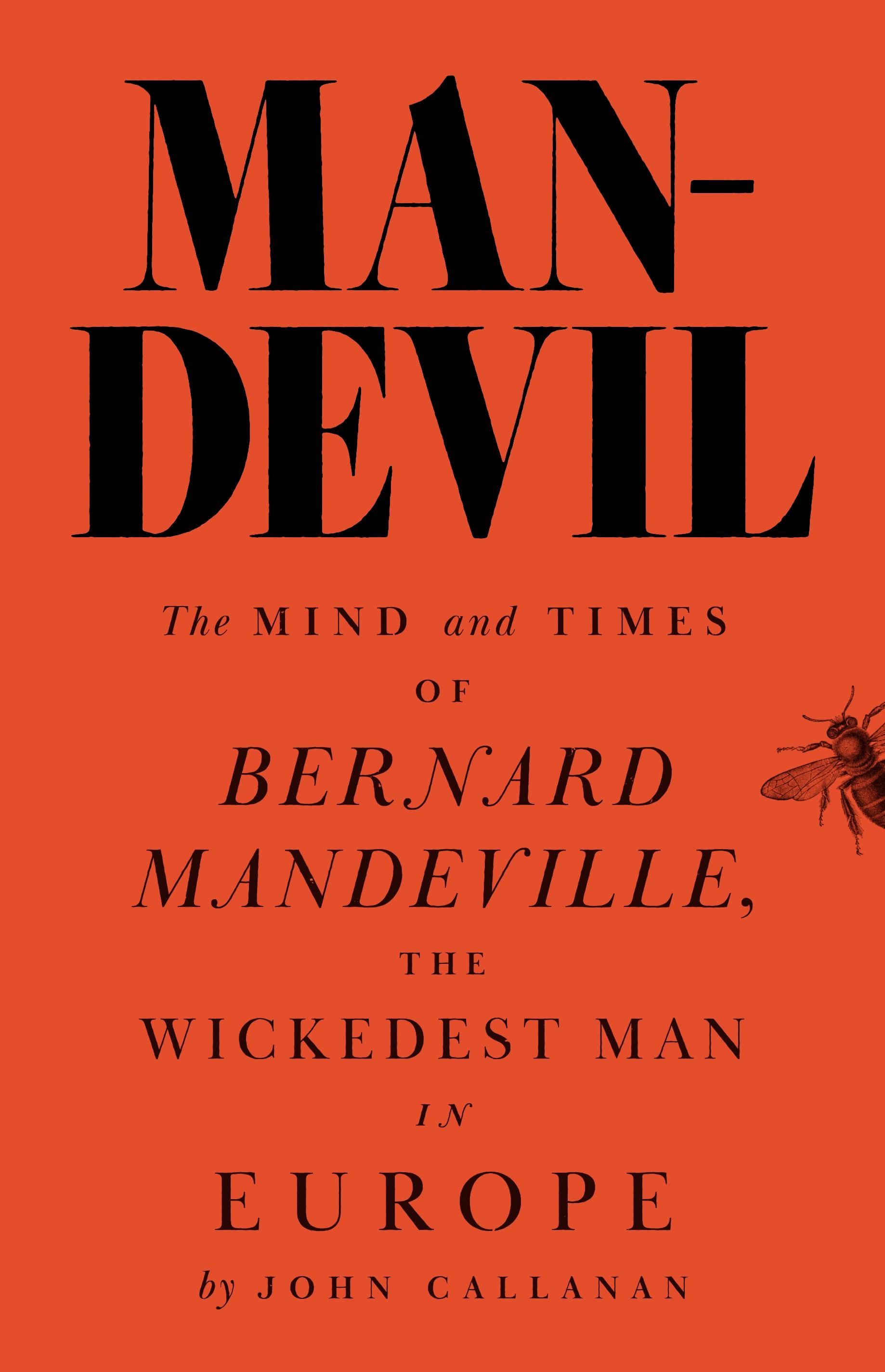
A lively and provocative account of Bernard Mandeville and the work that scandalized and appalled his contemporaries—and made him one of the most influential thinkers of the eighteenth century
In 1714, doctor, philosopher and writer Bernard Mandeville published The Fable of the Bees, a humorous tale in which a prosperous hive full of greedy and licentious bees trade their vices for virtues and immediately fall into economic and societal collapse. Outrage among the reading public followed; philosophers took up their pens to refute what they saw as the fable’s central assertion. How could it be that an immoral community thrived but the introduction of morality caused it to crash and burn? In Man-Devil, John Callanan examines Mandeville and his famous fable, showing how its contentious claim—that vice was essential to the economic flourishing of any society—formed part of Mandeville’s overall theory of human nature. Mandeville, Callanan argues, was perfectly suited to analyze and satirize the emerging phenomenon of modern society—and reveal the gap between its self-image and its reality.
Callanan shows that Mandeville’s thinking was informed by his medical training and his innovative approach to the treatment of illness with both physiological and psychological components. Through incisive and controversial analyses of sexual mores, gender inequality, economic structures, and political ideology, Mandeville sought to provide a naturalistic account of human behavior—one that put humans in close continuity with animals. Aware that his fellow human beings might find this offensive, he cloaked his theories in fables, poems, anecdotes, and humorous stories. Mandeville mastered irony precisely for the purpose of making us aware of uncomfortable aspects of our deepest natures—aspects that we still struggle to acknowledge today.
Before Memmo my notes were scattered across PDFs. Now a workspace pulls everything into one place — I see exactly what's still left to study.
Memmo's summaries are gold before exams. I don't have to re-read 800 pages two weeks before — just the important parts.
The AI chat has saved me the night before an exam more than once. I just keep asking until I get it — no waiting on a study group to reply.
The quizzes hit exactly what I need to know. Memmo tracks what I get stuck on — so I only practice what's worth it.
Flashcards with spaced repetition are magic. Memmo knows when I'm about to forget something and brings it back.
The AI podcasts are my favorite. I listen on my way to school and get a recap without sitting at a computer.

Handbok i kvalitativa metoder
281 kr

Hållbar utveckling: en introduktion för ingenjörer och andra problemlösare
334 kr

Brymans Samhällsvetenskapliga metoder
390 kr

Projektledning
491 kr

Den orättvisa hälsan: om socioekonomiska skillnader i hälsa och livslängd
326 kr

Vetenskapsteori för nybörjare
196 kr

Organizational Leadership
429 kr

På väg mot läraryrket
172 kr

Det sociala livet i skolan: Socialpsykologiska perspektiv
253 kr

Betygsättningens didaktik
151 kr

Personality
402 kr

Studying Leadership
404 kr

Managing Innovation
477 kr

Introduktion till samhällsvetenskaplig metod
347 kr

The Psychology of Sex and Gender
698 kr

Evidens och kunskap för socialt arbete
207 kr

Introduction to Leadership
605 kr