
Before Memmo my notes were scattered across PDFs. Now a workspace pulls everything into one place — I see exactly what's still left to study.
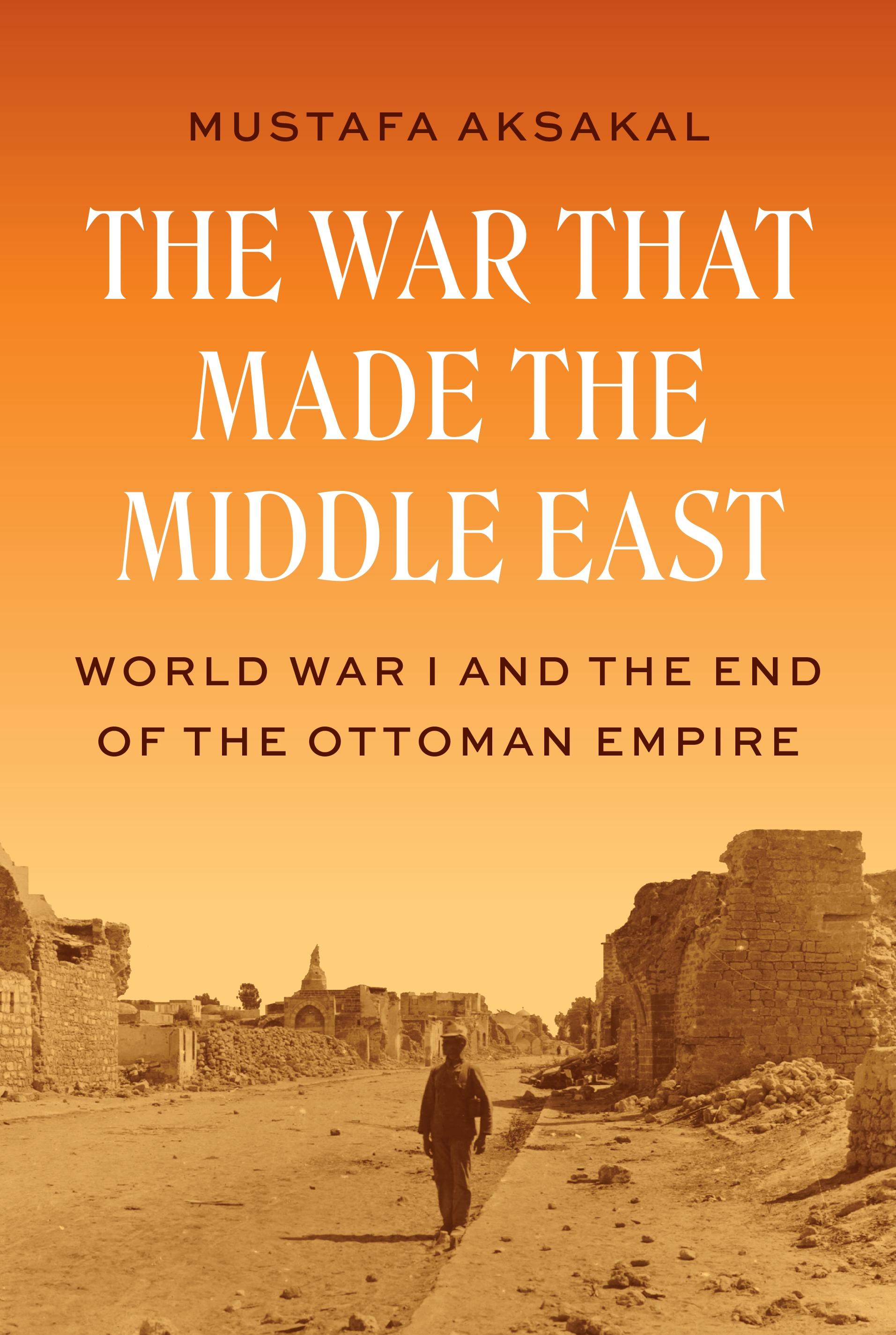
A new history that tells the story of how European imperial ambitions destroyed the Ottoman Empire during the Great War and created a divided and unstable Middle East
The Ottoman Empire’s collapse at the end of the First World War is often treated as a foregone conclusion. It was only a matter of time, the story goes, before the so-called Sick Man of Europe succumbed to its ailments—incompetent management, nationalism, and ethnic and religious conflict. In The War That Made the Middle East, Mustafa Aksakal overturns this conventional narrative. He describes how European imperial ambitions and the Ottoman commitment to saving its empire at any cost—including the destruction of the Armenian community and the deaths of more than a million Ottoman troops and other civilians—led to the empire’s violent partition and created a politically unstable Middle East.
The War That Made the Middle East shows that, until 1914, the Ottoman Empire was a viable multiethnic, multireligious state, and that relations between the Arabs, Jews, Muslims, and Christians of Palestine were relatively stable. When war broke out, the Ottoman government sought an alliance with the Entente but was rejected because of British and French designs on the Eastern Mediterranean. After the Ottomans entered the fight on the side of Germany and were defeated, Britain and France seized Ottoman lands, and new national elites in former Ottoman territories claimed their own states. The region was renamed “the Middle East,” erasing a robust and modernizing 600-year-old empire.
A sweeping narrative of war, great power politics, and ordinary people caught up in the devastation, The War That Made the Middle East offers new insights about the Great War and its profound and lasting consequences.
Before Memmo my notes were scattered across PDFs. Now a workspace pulls everything into one place — I see exactly what's still left to study.
Memmo's summaries are gold before exams. I don't have to re-read 800 pages two weeks before — just the important parts.
The AI chat has saved me the night before an exam more than once. I just keep asking until I get it — no waiting on a study group to reply.
The quizzes hit exactly what I need to know. Memmo tracks what I get stuck on — so I only practice what's worth it.
Flashcards with spaced repetition are magic. Memmo knows when I'm about to forget something and brings it back.
The AI podcasts are my favorite. I listen on my way to school and get a recap without sitting at a computer.

Handbok i kvalitativa metoder
281 kr

Hållbar utveckling: en introduktion för ingenjörer och andra problemlösare
334 kr

Brymans Samhällsvetenskapliga metoder
390 kr

Projektledning
491 kr

Den orättvisa hälsan: om socioekonomiska skillnader i hälsa och livslängd
326 kr

Organizational Leadership
429 kr

Vetenskapsteori för nybörjare
196 kr

På väg mot läraryrket
172 kr

Det sociala livet i skolan: Socialpsykologiska perspektiv
253 kr

Betygsättningens didaktik
151 kr

Personality
402 kr

Studying Leadership
404 kr

Managing Innovation
477 kr

Introduktion till samhällsvetenskaplig metod
347 kr

The Psychology of Sex and Gender
698 kr

Evidens och kunskap för socialt arbete
207 kr

Introduction to Leadership
605 kr