
Before Memmo my notes were scattered across PDFs. Now a workspace pulls everything into one place — I see exactly what's still left to study.
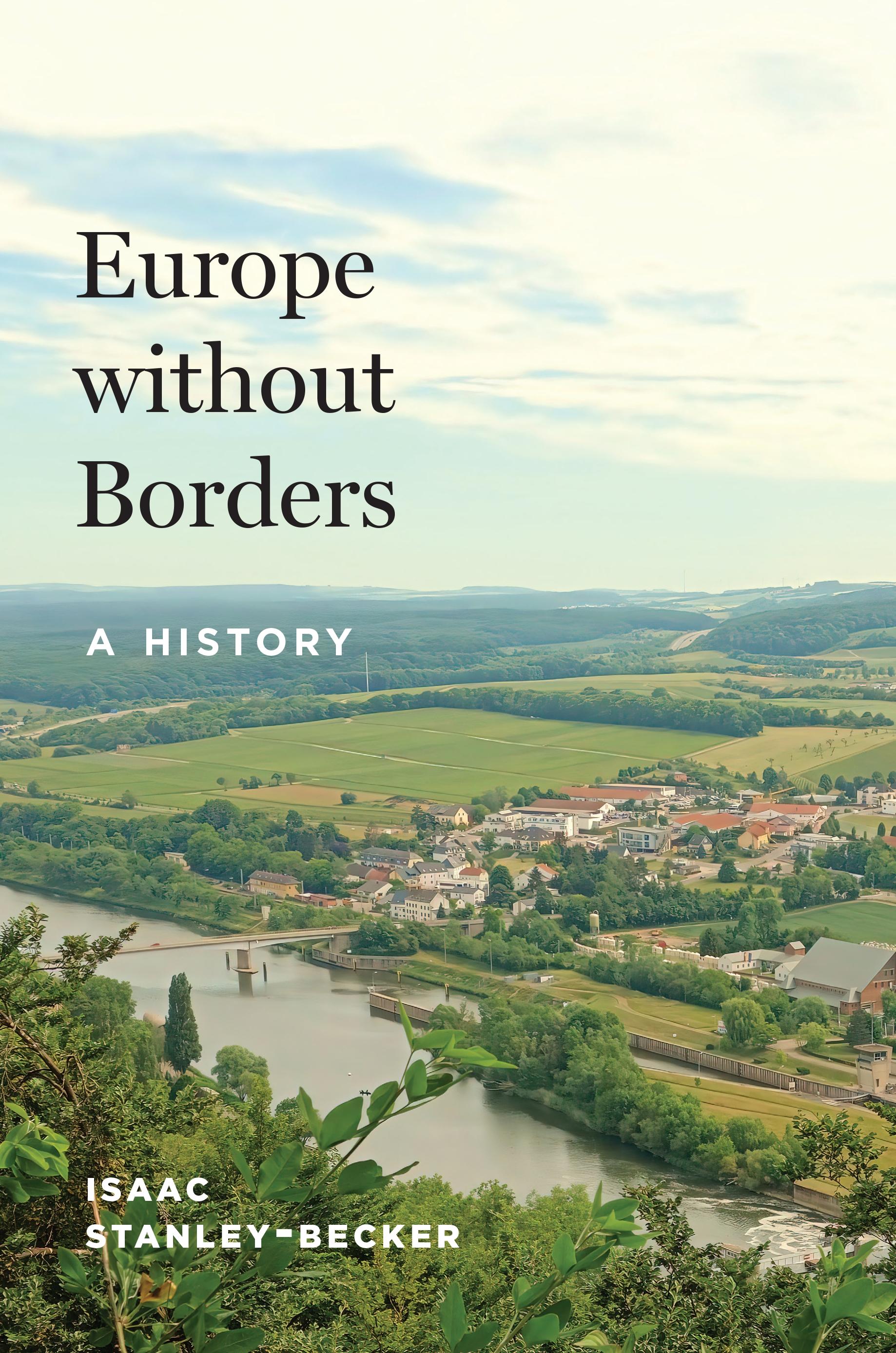
The contested creation of free movement—for people and goods—in the Schengen area of Europe
Europe is a place of free movement among nations—or is it? The Schengen area, established in 1985 and today encompassing twenty-nine European countries, allows people, goods, and capital to cross borders without restraint. Schengen transformed European life, advancing both a democratic project of transnational citizenship and a neoliberal project of international free trade. But the right of free movement always excluded non-Europeans, especially migrants of color from former colonies of the Schengen states. In Europe without Borders, Isaac Stanley-Becker explores the contested creation of free movement in Schengen, from treatymaking at European summits and disputes in international courts to the street protests of undocumented immigrants who claimed free movement as a human right.
Schengen laid the groundwork for the making of a single market and the founding of the European Union. Yet its emergence is one of the great untold stories of modern European history, one hidden in archives long embargoed. Stanley-Becker is among the first to have access to records of the treatymaking—such as letters between France’s François Mitterrand and West Germany’s Helmut Kohl—and Europe without Borders offers a pathbreaking account of Schengen’s creation. Stanley-Becker argues that Schengen gave a humanist cast to a market paradigm; but even in pairing the border crossing of human beings with the principles of free-market exchange, this vision of free movement was hedged by alarm about foreign migrants. Meanwhile, these migrants—the sans-papiers—saw in the promise of a borderless Europe only a neocolonial enterprise.
Before Memmo my notes were scattered across PDFs. Now a workspace pulls everything into one place — I see exactly what's still left to study.
Memmo's summaries are gold before exams. I don't have to re-read 800 pages two weeks before — just the important parts.
The AI chat has saved me the night before an exam more than once. I just keep asking until I get it — no waiting on a study group to reply.
The quizzes hit exactly what I need to know. Memmo tracks what I get stuck on — so I only practice what's worth it.
Flashcards with spaced repetition are magic. Memmo knows when I'm about to forget something and brings it back.
The AI podcasts are my favorite. I listen on my way to school and get a recap without sitting at a computer.

Handbok i kvalitativa metoder
281 kr

Hållbar utveckling: en introduktion för ingenjörer och andra problemlösare
334 kr

Brymans Samhällsvetenskapliga metoder
390 kr

Projektledning
491 kr

Den orättvisa hälsan: om socioekonomiska skillnader i hälsa och livslängd
326 kr

Vetenskapsteori för nybörjare
196 kr

Organizational Leadership
429 kr

På väg mot läraryrket
172 kr

Det sociala livet i skolan: Socialpsykologiska perspektiv
253 kr

Betygsättningens didaktik
151 kr

Personality
402 kr

Studying Leadership
404 kr

Managing Innovation
477 kr

Introduktion till samhällsvetenskaplig metod
347 kr

The Psychology of Sex and Gender
698 kr

Evidens och kunskap för socialt arbete
207 kr

Introduction to Leadership
605 kr