
Before Memmo my notes were scattered across PDFs. Now a workspace pulls everything into one place — I see exactly what's still left to study.
Longlisted for the Financial Times and Schroders Business Book of the Year Award
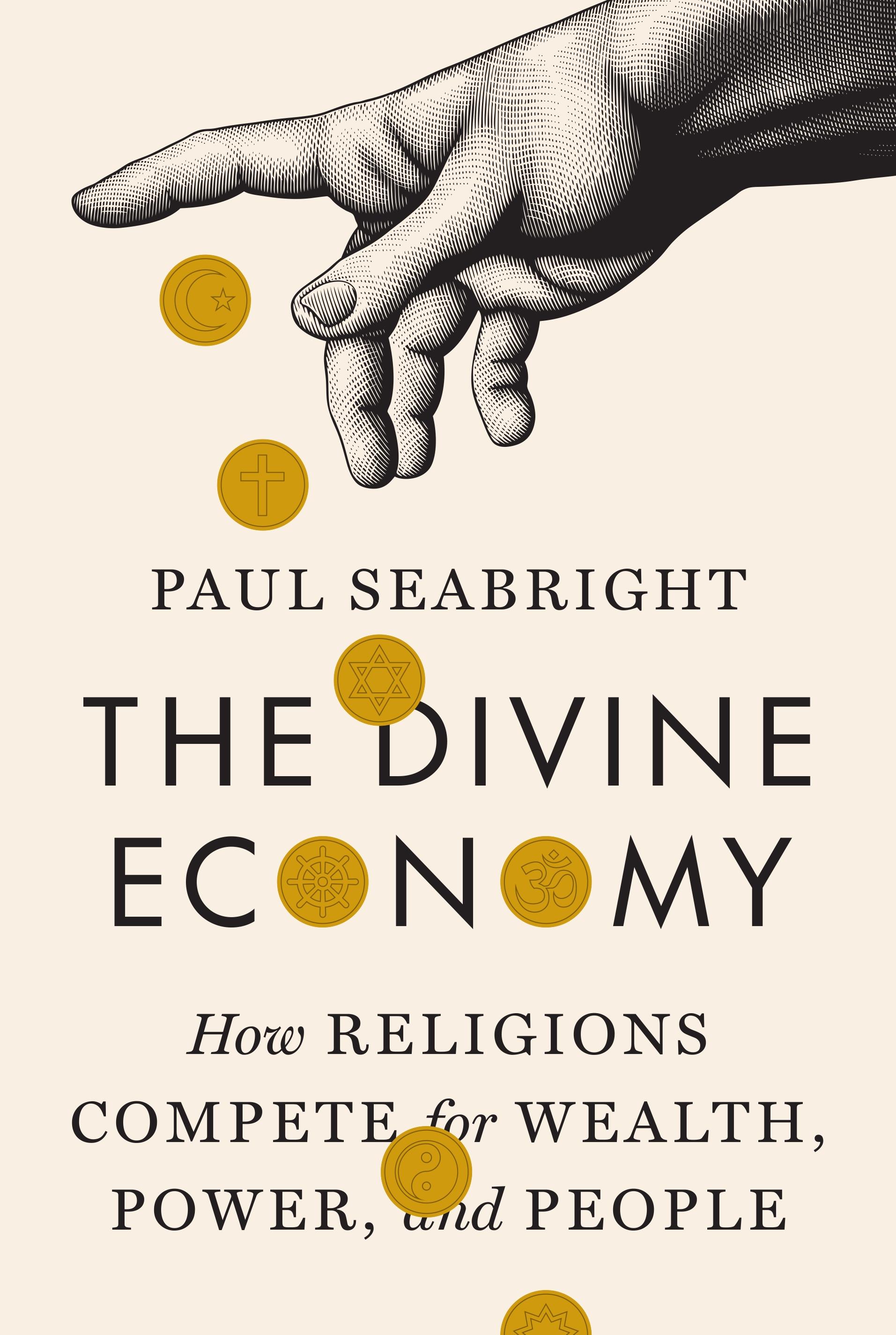
A novel economic interpretation of how religions have become so powerful in the modern world
Religion in the twenty-first century is alive and well across the world, despite its apparent decline in North America and parts of Europe. Vigorous competition between and within religious movements has led to their accumulating great power and wealth. Religions in many traditions have honed their competitive strategies over thousands of years. Today, they are big business; like businesses, they must recruit, raise funds, disburse budgets, manage facilities, organize transportation, motivate employees, and get their message out. In The Divine Economy, economist Paul Seabright argues that religious movements are a special kind of business: they are platforms, bringing together communities of members who seek many different things from one another—spiritual fulfilment, friendship and marriage networks, even business opportunities. Their function as platforms, he contends, is what has allowed religions to consolidate and wield power.
This power can be used for good, especially when religious movements provide their members with insurance against the shocks of modern life, and a sense of worth in their communities. It can also be used for harm: political leaders often instrumentalize religious movements for authoritarian ends, and religious leaders can exploit the trust of members to inflict sexual, emotional, financial or physical abuse, or to provoke violence against outsiders. Writing in a nonpartisan spirit, Seabright uses insights from economics to show how religion and secular society can work together in a world where some people feel no need for religion, but many continue to respond with enthusiasm to its call.
Before Memmo my notes were scattered across PDFs. Now a workspace pulls everything into one place — I see exactly what's still left to study.
Memmo's summaries are gold before exams. I don't have to re-read 800 pages two weeks before — just the important parts.
The AI chat has saved me the night before an exam more than once. I just keep asking until I get it — no waiting on a study group to reply.
The quizzes hit exactly what I need to know. Memmo tracks what I get stuck on — so I only practice what's worth it.
Flashcards with spaced repetition are magic. Memmo knows when I'm about to forget something and brings it back.
The AI podcasts are my favorite. I listen on my way to school and get a recap without sitting at a computer.

Handbok i kvalitativa metoder
281 kr

Hållbar utveckling: en introduktion för ingenjörer och andra problemlösare
334 kr

Brymans Samhällsvetenskapliga metoder
390 kr

Projektledning
491 kr

Den orättvisa hälsan: om socioekonomiska skillnader i hälsa och livslängd
326 kr

Vetenskapsteori för nybörjare
196 kr

Organizational Leadership
429 kr

På väg mot läraryrket
172 kr

Det sociala livet i skolan: Socialpsykologiska perspektiv
253 kr

Betygsättningens didaktik
151 kr

Personality
402 kr

Studying Leadership
404 kr

Managing Innovation
477 kr

Introduktion till samhällsvetenskaplig metod
347 kr

The Psychology of Sex and Gender
698 kr

Evidens och kunskap för socialt arbete
207 kr

Introduction to Leadership
605 kr