
Before Memmo my notes were scattered across PDFs. Now a workspace pulls everything into one place — I see exactly what's still left to study.
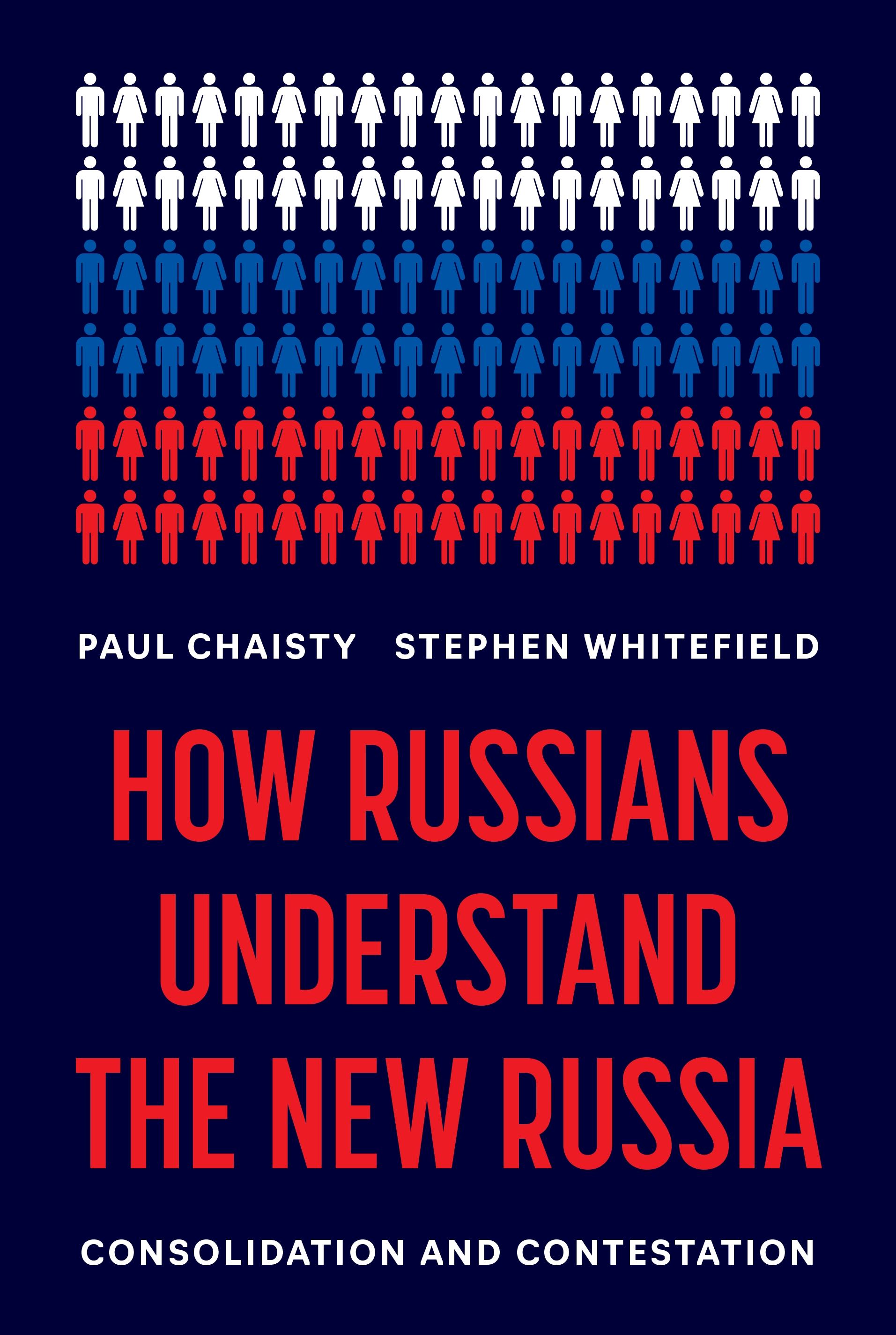
The issues that are the most and the least divisive in Russia
The collapse of the Soviet Union in 1991 created a new Russia, with new territorial boundaries and new political and economic systems. The hybrid political economy that emerged incorporated commitments to markets and democracy that were undermined by the state’s economic interventions and authoritarian restrictions.
In this book, Paul Chaisty and Stephen Whitefield argue that the hybridity of the post-Soviet system provided a strong basis for the consolidation of Russian public opinion—and for the management of contestation so that it did not threaten the system itself. Drawing on almost thirty years of original public opinion research in Russia, Chaisty and Whitefield also find, however, that the territorial dimension of Russia’s postcommunist transformation has disrupted public support for the hybrid political economy. In particular, they trace the reopening of system-level disagreement between system supporters and system opponents to the nationalist turn in Russian politics that culminated in the 2014 annexation of Crimea and the reactivation of Soviet identities.
How Russians Understand the New Russia provides the first longitudinal study of Russian public opinion on the system of political and economic power that replaced communism. It offers unique insights into how Russian citizens have adapted their views of the new Russia, identifying the issues that are the most—and the least—divisive. Chaisty and Whitefield track Russian public opinion on a broad range of policy questions, discuss the political importance of both voting and not voting and consider problems of nation-building and national identity. Finally, they weigh the impact of the Ukraine war on Russia’s hybrid system, and whether consolidation or further contestation is more likely.
Before Memmo my notes were scattered across PDFs. Now a workspace pulls everything into one place — I see exactly what's still left to study.
Memmo's summaries are gold before exams. I don't have to re-read 800 pages two weeks before — just the important parts.
The AI chat has saved me the night before an exam more than once. I just keep asking until I get it — no waiting on a study group to reply.
The quizzes hit exactly what I need to know. Memmo tracks what I get stuck on — so I only practice what's worth it.
Flashcards with spaced repetition are magic. Memmo knows when I'm about to forget something and brings it back.
The AI podcasts are my favorite. I listen on my way to school and get a recap without sitting at a computer.

Handbok i kvalitativa metoder
281 kr

Hållbar utveckling: en introduktion för ingenjörer och andra problemlösare
334 kr

Brymans Samhällsvetenskapliga metoder
390 kr

Projektledning
491 kr

Den orättvisa hälsan: om socioekonomiska skillnader i hälsa och livslängd
326 kr

Vetenskapsteori för nybörjare
196 kr

Organizational Leadership
429 kr

På väg mot läraryrket
172 kr

Det sociala livet i skolan: Socialpsykologiska perspektiv
253 kr

Betygsättningens didaktik
151 kr

Personality
402 kr

Studying Leadership
404 kr

Managing Innovation
477 kr

Introduktion till samhällsvetenskaplig metod
347 kr

The Psychology of Sex and Gender
698 kr

Evidens och kunskap för socialt arbete
207 kr

Introduction to Leadership
605 kr