
Before Memmo my notes were scattered across PDFs. Now a workspace pulls everything into one place — I see exactly what's still left to study.
A remedy for the gap between micro and macro data, making measures of inequality and national income consistent with each other
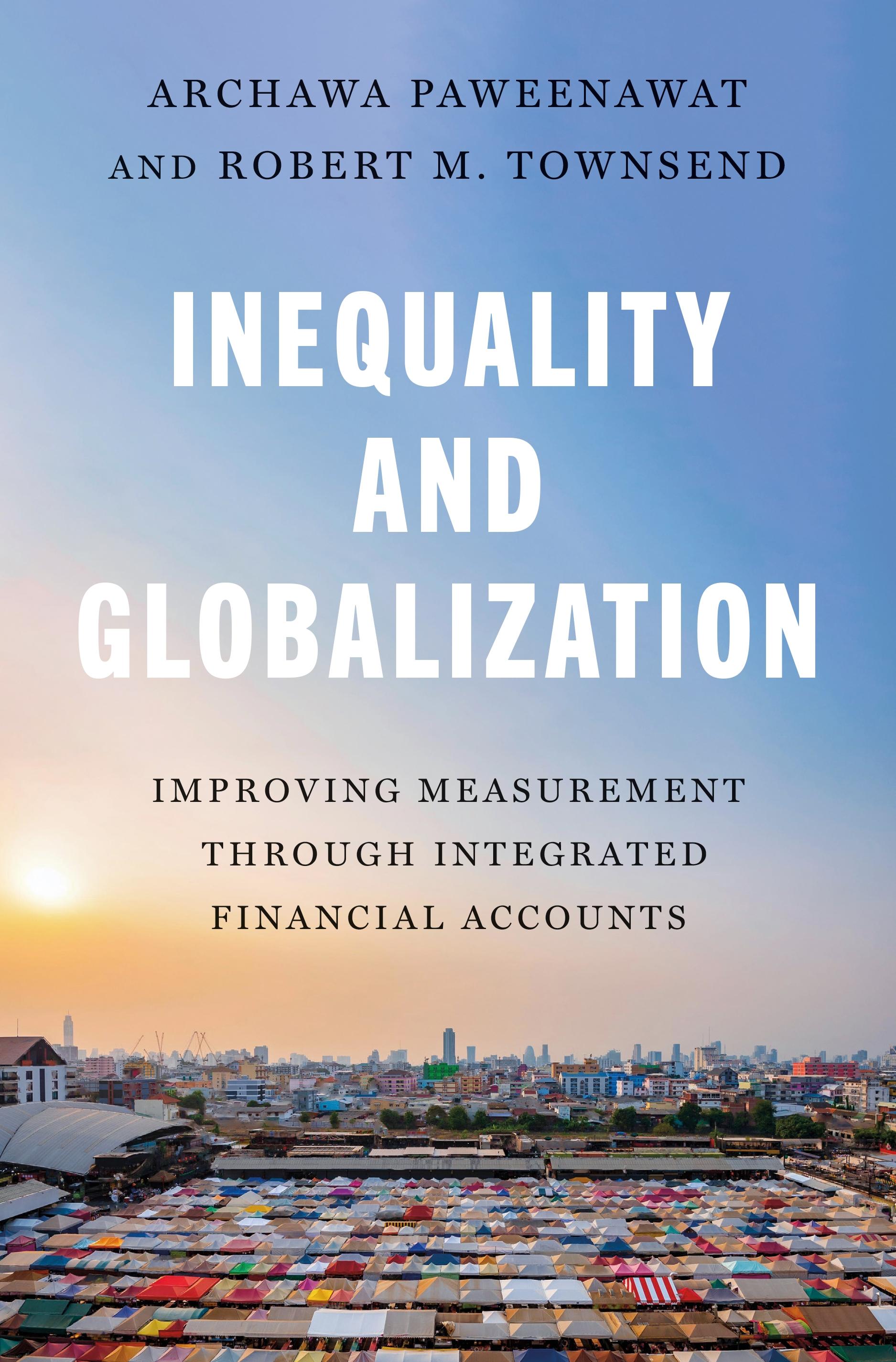
Increasing inequality, the impact of globalization, and the disparate effects of financial regulation and innovation are extraordinarily important topics that fuel spirited policy debates. And yet the facts underlying these debates are of doubtful accuracy. In reality, as Archawa Paweenawat and Robert Townsend show in Inequality and Globalization, there is a large gap between micro household surveys, which measure key outcomes such as inequality, and aggregated financial accounts, which measure macroeconomic totals and growth. Paweenawat and Townsend propose a remedy: integrated financial accounts, in which the flows in income statements, including saving and investment, are consistent with the changes in financial assets and liabilities in the balance sheet at micro and macro levels. None of the leading US micro household surveys or macro accounts meets this criterion.
Drawing on extensive data from fieldwork in Thailand, Paweenawat and Townsend show how consistent integrated financial accounts at the individual household and small enterprise level can be created using household and firm survey data. Aggregated to the village level, these accounts can link anecdotal stories of individual households to their financial accounts, document the real impact on them from growth, and assess what would have happened to them if trade and financial liberalization had not been allowed. Paweenawat and Townsend then describe the next logical step: creating integrated financial accounts for the United States, working from the ground up and the top down. Only with these integrated accounts will policy debates on inequality and globalization have a solid factual basis.
Before Memmo my notes were scattered across PDFs. Now a workspace pulls everything into one place — I see exactly what's still left to study.
Memmo's summaries are gold before exams. I don't have to re-read 800 pages two weeks before — just the important parts.
The AI chat has saved me the night before an exam more than once. I just keep asking until I get it — no waiting on a study group to reply.
The quizzes hit exactly what I need to know. Memmo tracks what I get stuck on — so I only practice what's worth it.
Flashcards with spaced repetition are magic. Memmo knows when I'm about to forget something and brings it back.
The AI podcasts are my favorite. I listen on my way to school and get a recap without sitting at a computer.

Handbok i kvalitativa metoder
281 kr

Hållbar utveckling: en introduktion för ingenjörer och andra problemlösare
334 kr

Brymans Samhällsvetenskapliga metoder
390 kr

Projektledning
491 kr

Den orättvisa hälsan: om socioekonomiska skillnader i hälsa och livslängd
326 kr

Organizational Leadership
429 kr

Vetenskapsteori för nybörjare
196 kr

På väg mot läraryrket
172 kr

Det sociala livet i skolan: Socialpsykologiska perspektiv
253 kr

Betygsättningens didaktik
151 kr

Personality
402 kr

Studying Leadership
404 kr

Managing Innovation
477 kr

Introduktion till samhällsvetenskaplig metod
347 kr

The Psychology of Sex and Gender
698 kr

Evidens och kunskap för socialt arbete
207 kr

Introduction to Leadership
605 kr