
Before Memmo my notes were scattered across PDFs. Now a workspace pulls everything into one place — I see exactly what's still left to study.
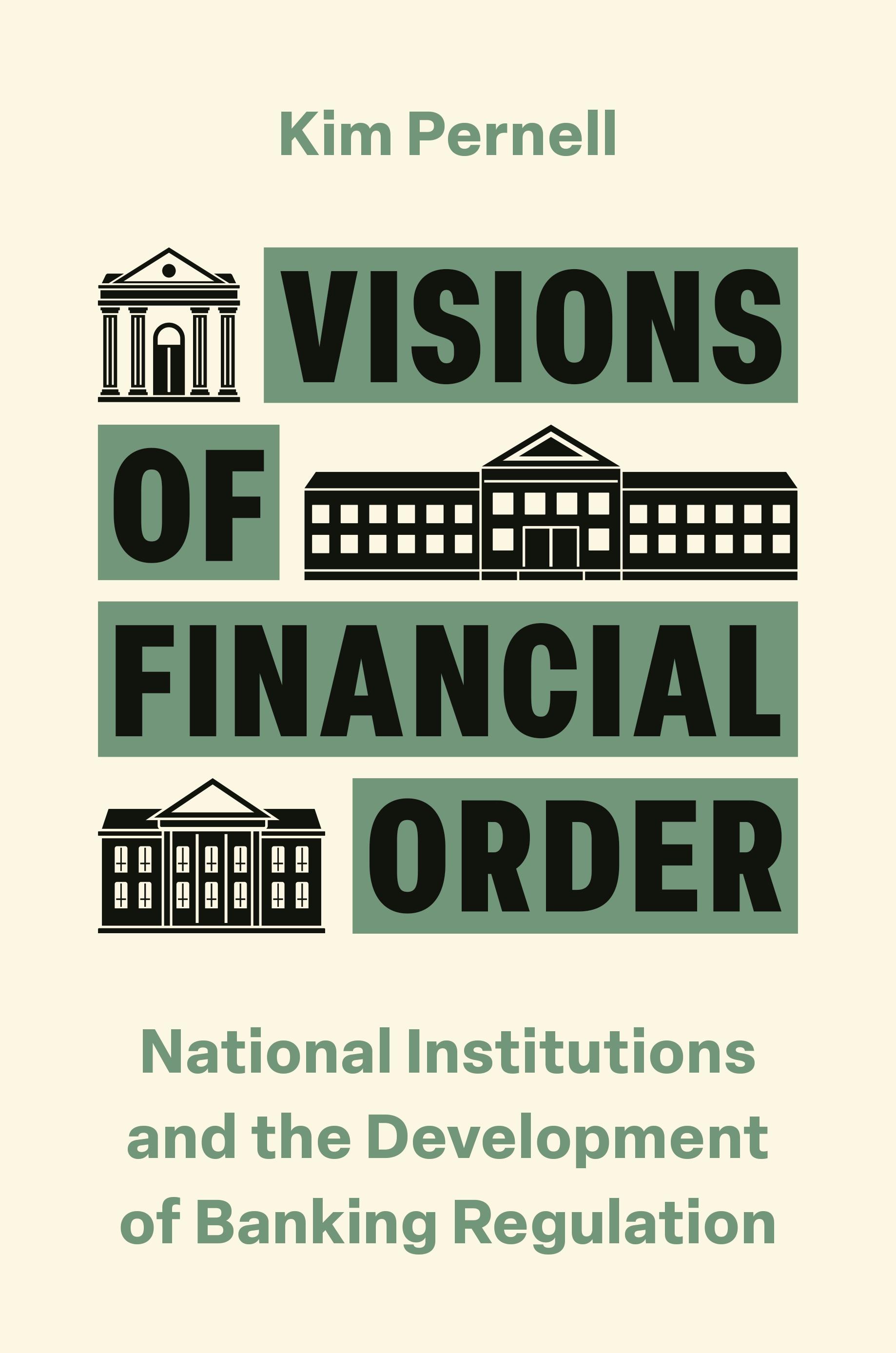
How differences in national financial regulatory systems emerged from divergent beliefs about economic order and prosperity
The global financial crisis of the late 2000s was marked by the failure of regulators to rein in risk-taking by banks. And yet regulatory issues varied from country to country, with some national financial regulatory systems proving more effective than others. In Visions of Financial Order, Kim Pernell traces the emergence of important national differences in financial regulation in the decades leading up to the crisis. To do so, she examines the cases of the United States, Canada, and Spain—three countries that subscribed to the same transnational regulatory framework (the Basel Capital Accord) but developed different regulatory policies in areas that would directly affect bank performance during the financial crisis.
In a broad historical analysis that extends from the rise of the first modern chartered banks in the 1780s through the major financial crises of the twentieth century and the Basel Capital Accord of 1988, Pernell shows how the different (and sometimes competing) principles of order embedded in each country’s regulatory and political institutions gave rise to distinctive visions of order and prosperity, which shaped subsequent financial regulatory design. Pernell argues that the different worldviews of national banking regulators reflected cultural beliefs about the ideal way to organize economic life to promote order, stability, and prosperity. Visions of Financial Order offers an innovative perspective on the persistent differences between regulatory institutions and the ways they shaped the unfolding of the 2008 global financial crisis.
Before Memmo my notes were scattered across PDFs. Now a workspace pulls everything into one place — I see exactly what's still left to study.
Memmo's summaries are gold before exams. I don't have to re-read 800 pages two weeks before — just the important parts.
The AI chat has saved me the night before an exam more than once. I just keep asking until I get it — no waiting on a study group to reply.
The quizzes hit exactly what I need to know. Memmo tracks what I get stuck on — so I only practice what's worth it.
Flashcards with spaced repetition are magic. Memmo knows when I'm about to forget something and brings it back.
The AI podcasts are my favorite. I listen on my way to school and get a recap without sitting at a computer.

Handbok i kvalitativa metoder
281 kr

Hållbar utveckling: en introduktion för ingenjörer och andra problemlösare
334 kr

Brymans Samhällsvetenskapliga metoder
390 kr

Projektledning
491 kr

Den orättvisa hälsan: om socioekonomiska skillnader i hälsa och livslängd
326 kr

Vetenskapsteori för nybörjare
196 kr

Organizational Leadership
429 kr

På väg mot läraryrket
172 kr

Det sociala livet i skolan: Socialpsykologiska perspektiv
253 kr

Betygsättningens didaktik
151 kr

Personality
402 kr

Studying Leadership
404 kr

Managing Innovation
477 kr

Introduktion till samhällsvetenskaplig metod
347 kr

The Psychology of Sex and Gender
698 kr

Evidens och kunskap för socialt arbete
207 kr

Introduction to Leadership
605 kr