
Before Memmo my notes were scattered across PDFs. Now a workspace pulls everything into one place — I see exactly what's still left to study.
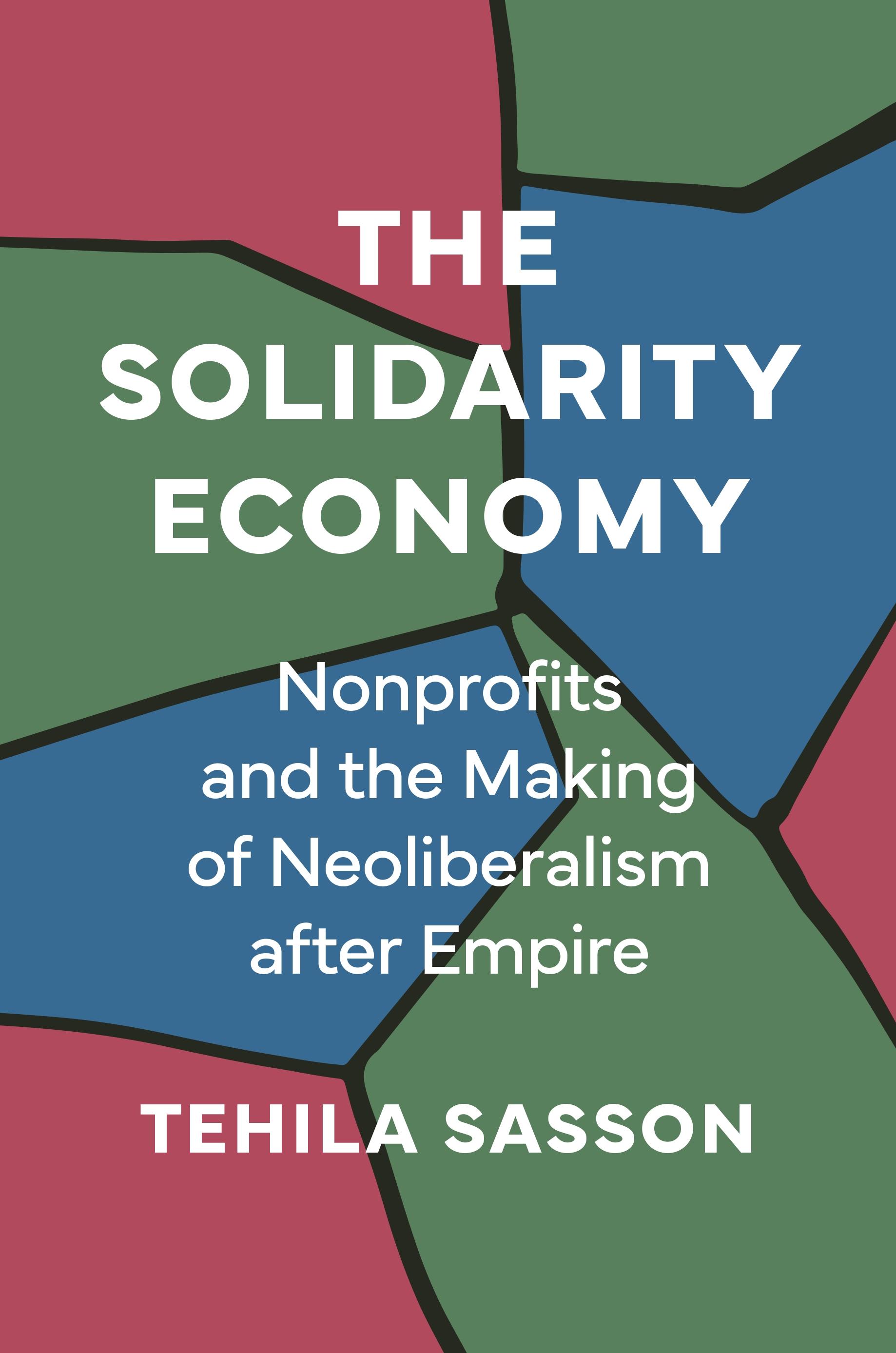
The untold story of the role of humanitarian NGOs in building the neoliberal order after empire
After India gained independence in 1947, Britain reinvented its role in the global economy through nongovernmental aid organizations. Utilizing existing imperial networks and colonial bureaucracy, the nonprofit sector sought an ethical capitalism, one that would equalize relationships between British consumers and Third World producers as the age of empire was ending. The Solidarity Economy examines the role of nonstate actors in the major transformations of the world economy in the postwar era, showing how British NGOs charted a path to neoliberalism in their pursuit of ethical markets.
Between the 1950s and 1990s, nonprofits sought to establish an alternative to Keynesianism through their welfare and development programs. Encouraging the fair trade of commodities and goods through microfinance, consumer boycotts, and corporate social responsibility, these programs emphasized decentralization, privatization, and entrepreneurship. Tehila Sasson tells the stories of the activists, economists, politicians, and businessmen who reimagined the marketplace as a workshop for global reform. She reveals how their ideas, though commonly associated with conservative neoliberal policies, were part of a nonprofit-driven endeavor by the liberal left to envision markets as autonomous and humanizing spaces, facilitating ethical relationships beyond the impersonal realm of the state.
Drawing on dozens of newly available repositories from nongovernmental, international, national, and business archives, The Solidarity Economy reconstructs the political economy of these markets—from handicrafts and sugar to tea and coffee—shedding critical light on the postimperial origins of neoliberalism.
Before Memmo my notes were scattered across PDFs. Now a workspace pulls everything into one place — I see exactly what's still left to study.
Memmo's summaries are gold before exams. I don't have to re-read 800 pages two weeks before — just the important parts.
The AI chat has saved me the night before an exam more than once. I just keep asking until I get it — no waiting on a study group to reply.
The quizzes hit exactly what I need to know. Memmo tracks what I get stuck on — so I only practice what's worth it.
Flashcards with spaced repetition are magic. Memmo knows when I'm about to forget something and brings it back.
The AI podcasts are my favorite. I listen on my way to school and get a recap without sitting at a computer.

Handbok i kvalitativa metoder
281 kr

Hållbar utveckling: en introduktion för ingenjörer och andra problemlösare
334 kr

Brymans Samhällsvetenskapliga metoder
390 kr

Projektledning
491 kr

Den orättvisa hälsan: om socioekonomiska skillnader i hälsa och livslängd
326 kr

Vetenskapsteori för nybörjare
196 kr

Organizational Leadership
429 kr

På väg mot läraryrket
172 kr

Det sociala livet i skolan: Socialpsykologiska perspektiv
253 kr

Betygsättningens didaktik
151 kr

Personality
402 kr

Studying Leadership
404 kr

Managing Innovation
477 kr

Introduktion till samhällsvetenskaplig metod
347 kr

The Psychology of Sex and Gender
698 kr

Evidens och kunskap för socialt arbete
207 kr

Introduction to Leadership
605 kr